





The Abortion Knowledge, Attitudes, Practices, and Intentions (KAPI) Survey with optional add-on supplements, developed by Ipas, is a comprehensive resource designed to assess and enhance community understanding, attitudes and support around abortion care.
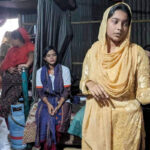
Abida Sultana is confident that her studies in English and Literature gives her a unique perspective when exploring the stories about sexual and reproductive health and rights in different cultural contexts.
Despite advancements in safe abortion care around the world, the playing field is far from level. Some people have easy access to quality care, while others face significant barriers.
Our research shows how people and the health system in Samburu County, Kenya, are impacted in numerous ways by the climate crisis—and articulates how healthy people and communities are more resilient to the impacts of climate change.
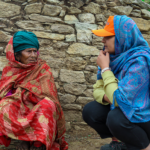
Amidst the majestic peaks of the Himalayas, Nepal faces a dual reality: breathtaking landscapes and formidable environmental challenges. Research by Ipas Nepal shows that beyond the snow-capped summits and lush valleys lies a quieter battle—one that adversely affects women’s health and rights.

There has been considerable progress in gender equality in Indonesia, yet significant challenges remain that impede women from reaching their full potential. The situation is complex, shaped by numerous factors, including culture and religion.


One of our latest projects helps young people make informed decisions about contraception and focuses on couples in the states of Madhya Pradesh and Rajasthan who have either no children or one child.
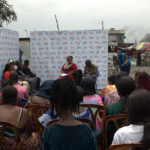
Poverty, prostitution, insecurity, and precarious living conditions are the hallmarks of the Pakadjuma neighborhood in Kinshasa. The insecurity in this neighborhood is compounded by extreme poverty, pushing many women to engage in survival activities, often at the expense of their health.