







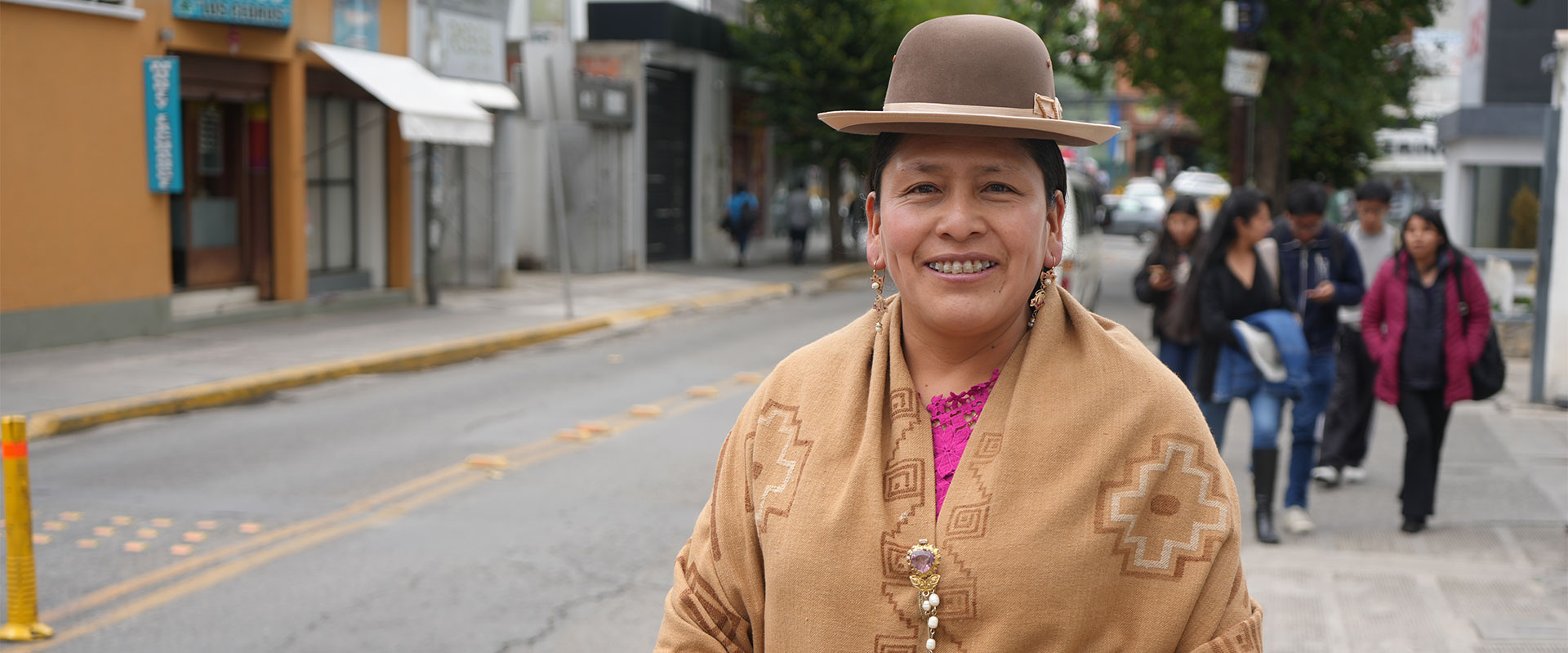
Former Senator Virginia Velasco’s conviction that girls in Bolivia deserve access to health care, education and greater opportunities inspired her to champion a ban on child marriage—and spurred allies to join the effort.
“I feel very happy, very proud, to defend [a girl’s right not to be married before age 18], first as a woman, then as an authority, and as a human rights defender.”
— Former Bolivian Senator Virginia Velasco
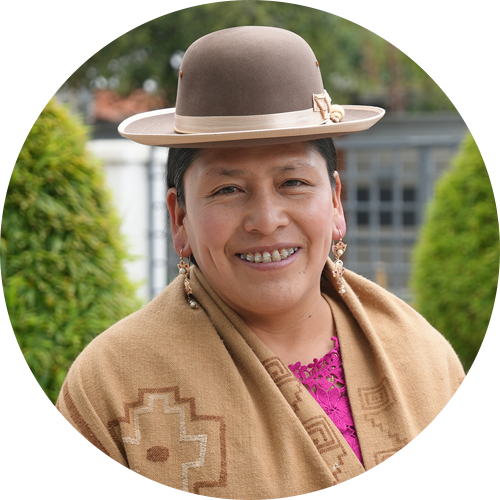
When former Senator Virginia Velasco remembers why she decided to champion legal reform to ban child marriage in Bolivia, she does not begin with the law. Instead, her memory goes back to the inequalities she witnessed as a child and the realities that shaped the lives of many women in the country.
“Suffering, poverty, inequality. Women had no opportunities, no access to decent education or decent health care,” Velasco recalls, reflecting on the years that shaped her understanding of what it means to defend people’s rights.
Velasco acknowledges that in that environment, accessing information or speaking openly about sexual and reproductive health and rights was very difficult. Over time, those experiences became a personal conviction: that girls and adolescents should grow up with opportunities that many previous generations never had.

Strengthened commitment
Velasco’s participation in human rights advocacy spaces strengthened that commitment. In different community settings, she heard stories that made her question practices that had been normalized for years.
“Imagine a 15, 14 or 16-year-old girl being married off… do you really think she is ready to take on so much responsibility?” she asks. In many cases, she recalls families making decisions under social or economic pressure.
“Parents would say, ‘She is already pregnant, so she has to get married,’” she explains.
When she joined Bolivia’s Plurinational Legislative Assembly as a senator, that conviction eventually found an opportunity to become a legislative proposal. The goal was to amend the Family Code to eliminate the exceptions that still allowed marriage before the age of 18.
From the outset, the effort was supported by civil society organizations working to protect the rights of girls and adolescents. Among them were Ipas Bolivia and the human rights community, which provided technical and legal expertise, evidence and advocacy support to lawmakers throughout the legislative process.
“Imagine a 15, 14 or 16-year-old girl being married off… do you really think she is ready to take on so much responsibility?”
Virginia Velasco
Ipas’s long-term strategy in action
“We know that lasting, systemic change like a national ban on the harmful practice of child marriage requires years of dedicated hard work by advocates across society, so that’s exactly what we did,” says Dr. Malena Morales, director of Ipas Bolivia. “We helped lead a broad coalition of local partners who advocated and educated and didn’t stop until lawmakers had heard and acted on our demand.”
Part of Ipas Bolivia’s advocacy efforts was the campaign “Ni esposas, ni concubinas, las niñas son niñas” (Girls are girls, not wives or common-law partners), which reached more than one million people through content and community engagement activities.
The campaign gained more than 15,500 Instagram followers and mobilized ambassadors for the cause, including public officials, young people, civil society leaders, journalists, media outlets and representatives of partner organizations.
These efforts helped build public support for the bill as it moved through the Legislative Assembly. But progress was slow. For more than three years, the proposal faced resistance and underwent repeated debate and discussion by lawmakers.
“We know that lasting, systemic change like a national ban on the harmful practice of child marriage requires years of dedicated hard work by advocates across society, so that’s exactly what we did.”
Dr. Malena Morales,
director of Ipas Bolivia
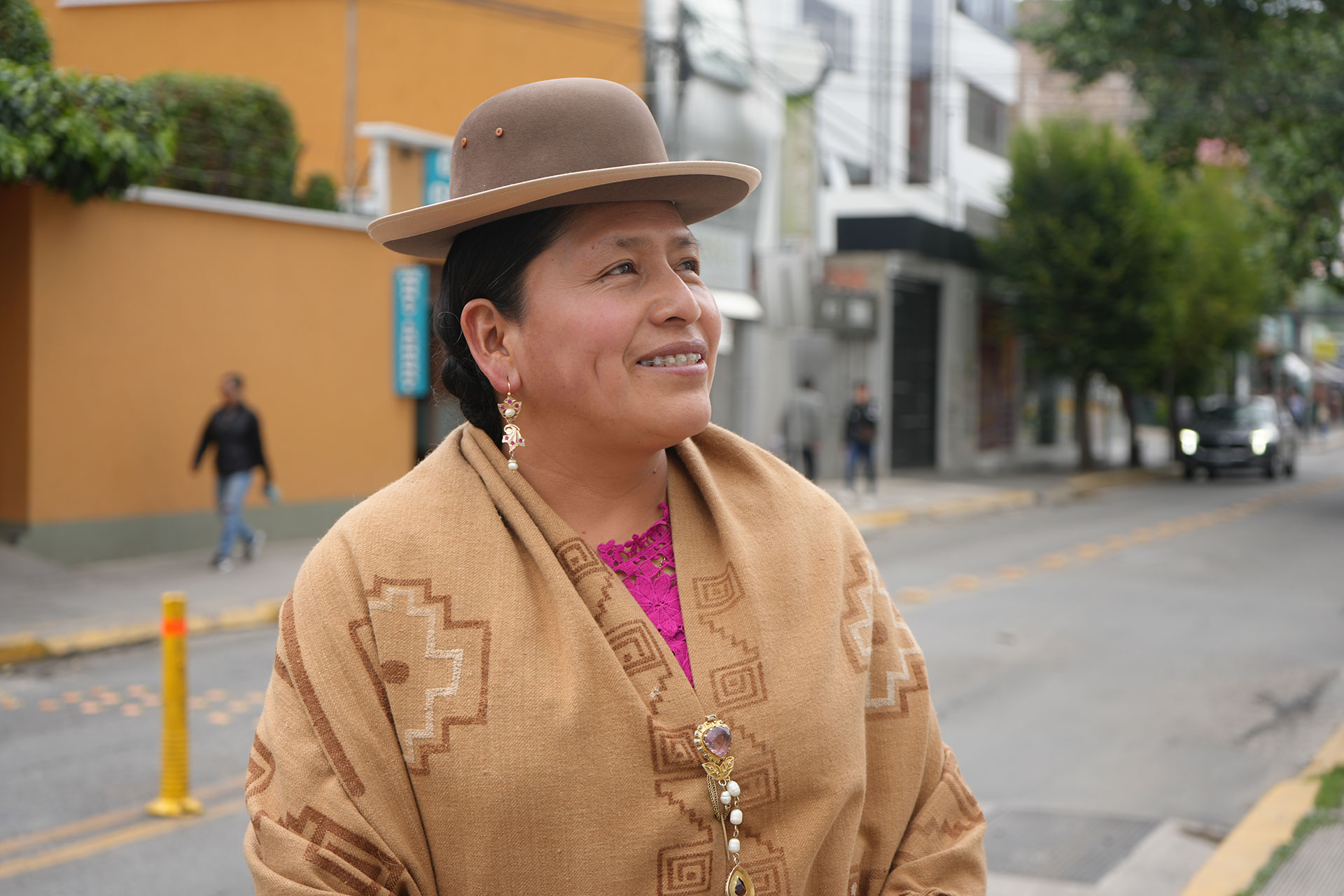
Velasco remembers Ipas Bolivia’s support as key to sustaining the effort.
“I saw Ipas Bolivia’s commitment, their dedicated work for the country, for our girls, boys and adolescents,” she says.
Throughout the yearslong process, Ipas Bolivia worked with the human rights community and other partner organizations to end child marriage and keep the issue on the public and legislative agenda. Ipas provided technical input on draft legislation, shared evidence on the harms of child marriage, supported community dialogues and campaign activities, and engaged lawmakers and other decision-makers on the importance of ending this practice to protect girls’ rights, health and futures.
“Collaboration with committed leaders, such as then-Senator Virginia Velasco, shows that when conviction finds allies, it becomes possible to promote changes that expand the protection of rights,” says Dr. Morales.
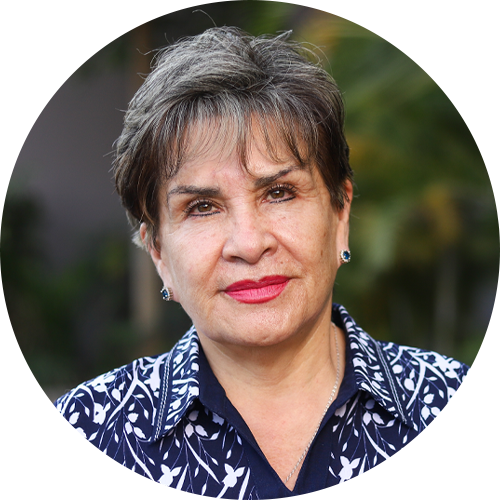
“Collaboration with committed leaders, such as then-Senator Virginia Velasco, shows that when conviction finds allies, it becomes possible to promote changes that expand the protection of rights.”
—Dr. Malena Morales, director of Ipas Bolivia
Change came from evidence of girls’ realities
For Velasco, support from Ipas and partners helped ensure that the discussion did not remain only in the political sphere but was grounded in evidence and in the reality many girls in the country were facing.
One of the moments that affected her most during the debate was the presentation of an audiovisual piece showing real girls who had married young and were dealing with issues like poverty, abuse and early motherhood. Situations that, for many people, remained invisible.
“Their own father, their own mother, hand over their daughter… that broke our hearts,” she recalls.
In September 2025, the Bolivian government finally approved the Law Againsg Child Marriage and Early Unions and a ban against all marriages under the age of 18 became official. For Velasco, the approval of the law was deeply meaningful.
“I feel very happy, very proud, to defend that right, first as a woman, then as an authority, and as a human rights defender,” she says.
For Ipas and local partners, the work continues
While the law change was a historic step, Velasco insists it does not mean the challenge has been resolved. In her view, real change will depend on preventing the issues that drive child marriage, like teenage pregnancy, gender-based violence and poverty—and on working with families, girls, boys and adolescents.
“It is not just about passing the law. We need to create public policies for prevention,” she warns.
For Ipas Bolivia, that commitment continues: to keep working to translate this law into real change so that more and more girls can grow up healthy, continue their education, and decide their own future. Because the goal remains the same: that girls are girls, not wives.