







This brief highlights how international, more open, gender-inclusive trade can boost women’s role in the economy, can reduce gender equality gaps, and can expand women’s empower, health and education—and how trade, women’s empowerment and sexual and reproductive health and rights are mutually reinforcing.
This study centers African adolescents’ own voices and shows that when policies are less restrictive and services are easier to reach, adolescents are more likely to obtain safe care and less likely to resort to unsafe abortion methods. These findings support the push for youth-responsive services, clearer pathways to care, and reforms that reduce fear, delay, and stigma.
In two humanitarian settings in Uganda and Kenya, a respondent-driven sampling study examines abortion incidence and safety, providing evidence on access and outcomes where care is often constrained.

Abortion restrictions are incompatible with international human rights law. The U.S. government’s failure to ensure the provision of safe, legal, and accessible health care, including abortion, violates its obligations to protect and fulfill many human rights. In facilitating an increasingly restrictive landscape around abortion access, the U.S. has breached its international human rights obligations.
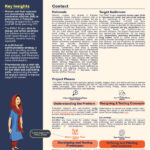
The PMAC project in Pakistan takes a phased approach to gathering insights, developing and testing solutions, and refining interventions as needed to ensure we are addressing the challenges women face in accessing post medication abortion (MA) family planning (FP). This learning brief outlines key insights from developing, testing and refining prototypes (also referred to as the Medium-Fidelity Phase) aimed at increasing women’s access to post MA FP in Islamabad Capital Territory.
In Ethiopia, a pilot study on SMA through private pharmacies demonstrates high demand from women and interest from pharmacies in providing women with medication abortion, but Ethiopia’s legal framework presents challenges to a pharmacy-based model.
In forcibly displaced populations, a new study protocol outlines a community-facility capture-recapture approach to better estimate maternal deaths due to abortion complications, helping strengthen measurement where official data is incomplete.

In the Democratic Republic of Congo, research shows that misoprostol was available in less than 50% of pharmacies and mifepristone and misoprostol in less than 2% of surveyed sites. Mystery client interactions reveal that most pharmacists need training on medication abortion counseling and regimens.
In India, a trend analysis shows a substantial increase in self-managed abortion (SMA) with pills between 2014 and 2021 and demonstrates the transformative power of SMA in increasing access to safe and effective abortion.
In Cambodia, an exploration of women’s SMA experiences reveals that young women’s success rates were comparable to those of adult women, and they generally had better experiences than their older counterparts. Young women were more likely to seek support from family and friends, highlighting the important role of social support and the need for accurate information on abortion to be disseminated at the community level.
Using data from the National Survey of Family Growth in the United States, researchers examined how state-level immigration policies are associated with effective contraceptive method use among US-born and foreign-born Mexican-origin women. Results reveal how exclusionary immigration policies are associated with lower contraceptive use among US- and foreign-born Mexican women.
In Mexico, most patients who have a facility-based abortion have no complications, but those that do experience a complication are more likely to come from a marginalized area and be seeking care later in pregnancy. This research uncovers the challenges associated with abortion care-seeking in Mexico, highlighting how location and timing contribute to the safety of abortion care received.

Clinical Updates in Reproductive Health (CURHs) are designed to provide Ipas staff, trainers, partners and other health-care providers with access to up-to-date, evidence-based recommendations. In general, the recommendations are the same as those in the World Health Organization’s 2022 Safe Abortion: Technical and Policy Guidance for Health Systems, Second edition. In rare cases, the recommendations have been modified due to the settings where we work. In addition, if there is more current evidence to inform the recommendations, they will be updated here. Please note: Clinical Updates in Reproductive Health provides Ipas’s most up-to-date clinical guidance. Recommendations in this publication supersede any clinical guidance in Ipas curricula that differs from the guidance provided here.
These learning briefs – a project anchor brief, a user-focused brief, and a pharmacist-focused brief – summarize lessons learned by the PMAC project during multiple phases of the project.
The Abortion Knowledge, Attitudes, Practices, and Intentions (KAPI) Survey with optional add-on supplements, developed by Ipas, is a comprehensive resource designed to assess and enhance community understanding, attitudes and support around abortion care.
Our research shows how people and the health system in Samburu County, Kenya, are impacted in numerous ways by the climate crisis—and articulates how healthy people and communities are more resilient to the impacts of climate change.
Clinical Updates in Reproductive Health (CURHs) are designed to provide Ipas staff, trainers, partners and other health-care providers with access to up-to-date, evidence-based recommendations. In general, the recommendations are the same as those in the World Health Organization’s 2022 Safe Abortion: Technical and Policy Guidance for Health Systems, Second edition. In rare cases, the recommendations have been modified due to the settings where we work. In addition, if there is more current evidence to inform the recommendations, they will be updated here. Please note: Clinical Updates in Reproductive Health provides Ipas’s most up-to-date clinical guidance. Recommendations in this publication supersede any clinical guidance in Ipas curricula that differs from the guidance provided here.