







Ipas’s SMA research in Cambodia and Ghana provides insights into women’s uptake of post-abortion contraception from pharmacists versus clinics. Results showed that although the rates of contraceptive use were the same between women who got abortion pills from a pharmacy versus a clinic, pharmacy clients were more likely to use a less effective method, and contraceptive information and options were more readily offered by clinics, indicating a need for supporting pharmacies in providing more information and effective methods at the time of SMA purchase.

A mixed-methods study assesses whether respondent-driven sampling can be used to feasibly recruit participants with recent abortion experiences in humanitarian contexts, offering practical guidance for researchers working in hard-to-reach settings.
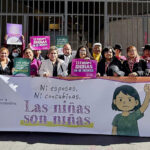
In Sept. 2025, the Bolivian government approved a ban on all marriages under the age of 18. This success builds on years of advocacy by Ipas and partners to end child marriage, which is disturbingly common in Bolivia.
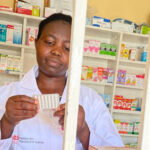
Conducted using data from 401 women receiving abortion with pills at 21 Ipas-supported pharmacies in Nakuru County, Kenya, this study examines what drives contraceptive use after self-managed abortion with pills and shows what missed opportunities persist.
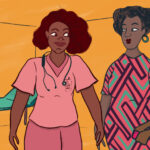
This Ipas study shares the real stories of 313 adolescents in Africa navigating abortion care amid fear, stigma, and limited support.
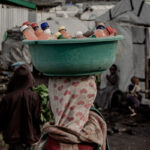
Despite logistical, political and humanitarian obstacles, Ipas DRC has continued showing up for women and girls. We have doubled our efforts to continue providing essential sexual and reproductive health services where they are most needed.

The authors propose improved survey questions about when and how people realize they are pregnant, including response options that capture physical signs, practical constraints, and emotional factors. Better measurement of pregnancy recognition can help explain why people seek care when they do, including abortion care.
Using data from Cambodia and Ghana, Ipas authors compare the SMA information and counseling provided by pharmacists to women with that provided by a health provider at a clinic. While pharmacists and clinic-based providers focused on different aspects of SMA counseling, results indicate that both cadres would benefit from training to ensure their clients receive the best information and counseling possible.
This publication documents the journey of the Sexual and Reproductive Health and Rights and Climate Justice Coalition, co-founded by Ipas. The coalition connects more than 100 organizations working to build evidence, challenge harmful narratives, and champion locally led solutions rooted in autonomy and rights.
In Nepal, research explored how repeated climate disasters are linked to changes in women’s safety and daily lives, including increased risk of gender-based violence, but also greater autonomy in decision-making as men migrate for work.
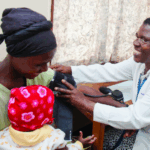
Led by researchers from Ipas, Uganda’s Ministry of Health, and the ACTUATE project at DKT International, this study looks at how people across nine Ugandan districts experience abortion and postabortion care in public health facilities.