






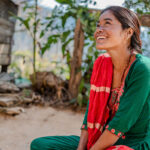
Across Nepal’s remote hills, sustainable change begins with women. Through the Natural Leaders program, Ipas Nepal trains local women to tackle two urgent, interconnected crises: climate change and barriers to reproductive health. These grassroots leaders educate, advocate and challenge harmful social norms—proving that when women lead, communities grow stronger, healthier and more resilient.

In the Democratic Republic of Congo, access to comprehensive abortion care remains a taboo topic, enshrined in restrictive legal frameworks and rigid social norms. Although some progress has been made, cultural and religious barriers still prevent women and girls from accessing the information and care they need.
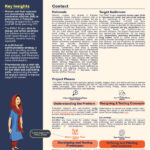
The PMAC project in Pakistan takes a phased approach to gathering insights, developing and testing solutions, and refining interventions as needed to ensure we are addressing the challenges women face in accessing post medication abortion (MA) family planning (FP). This learning brief outlines key insights from developing, testing and refining prototypes (also referred to as the Medium-Fidelity Phase) aimed at increasing women’s access to post MA FP in Islamabad Capital Territory.
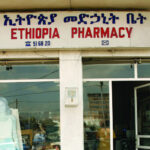
A pilot program by Ipas, the Ethiopian Ministry of Health, and the Oromia Health Bureau proved that private pharmacies can safely expand access to abortion with pills—making essential care more available and closer to home for women in Ethiopia.
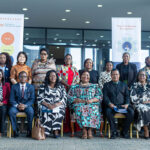
Ipas Malawi and partners hosted a national dialogue to address the systemic challenges limiting young girls’ autonomy and opportunities.
Ethiopia’s health system is in crisis, but health workers keep going. With support from Ipas, providers continue delivering essential abortion and contraceptive care—even as aid cuts, conflict, and climate crisis impacts threaten reproductive health services.

A study conducted by researchers from Ipas Development Foundation and partners, this study examines national survey data to understand the growing use of self-managed abortion (SMA) in India. The research confirms that SMA—using abortion pills outside of a clinic—has become much more common and is a safe and effective option, especially in early pregnancy.
We’re inspired by our staff and partners around the world who persevere in the face of tremendous challenges. Here are seven changemakers to inspire us all.
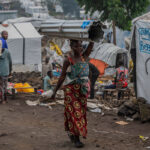
In January 2025, violent clashes broke out in Goma, the capital of the Democratic Republic of Congo (DRC) and North Kivu province, worsening a decades-long conflict and leaving a devastating trail of suffering and destruction.
In Ethiopia, a pilot study on SMA through private pharmacies demonstrates high demand from women and interest from pharmacies in providing women with medication abortion, but Ethiopia’s legal framework presents challenges to a pharmacy-based model.
In forcibly displaced populations, a new study protocol outlines a community-facility capture-recapture approach to better estimate maternal deaths due to abortion complications, helping strengthen measurement where official data is incomplete.

Early in his career, Ipas Democratic Republic of Congo (DRC) director Dr. Jean-Claude Mulunda, then a coordinator with a refugee agency, was confronted with the plight of women and girls who had suffered sexual violence fleeing Central African Republic for refuge in DRC.

In the Democratic Republic of Congo, research shows that misoprostol was available in less than 50% of pharmacies and mifepristone and misoprostol in less than 2% of surveyed sites. Mystery client interactions reveal that most pharmacists need training on medication abortion counseling and regimens.