May 12, 2025
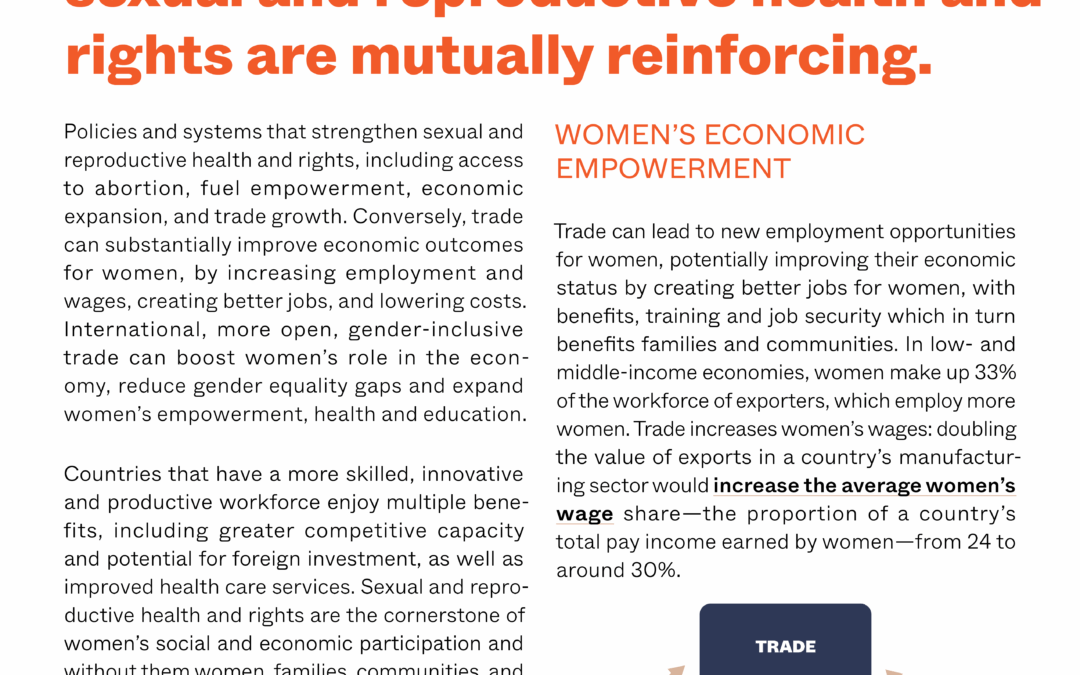
This brief highlights how international, more open, gender-inclusive trade can boost women’s role in the economy, can reduce gender equality gaps, and can expand women’s empower, health and education—and how trade, women’s empowerment and sexual and reproductive health and rights are mutually reinforcing.
May 6, 2025
This study centers African adolescents’ own voices and shows that when policies are less restrictive and services are easier to reach, adolescents are more likely to obtain safe care and less likely to resort to unsafe abortion methods. These findings support the push for youth-responsive services, clearer pathways to care, and reforms that reduce fear, delay, and stigma.
May 5, 2025
In two humanitarian settings in Uganda and Kenya, a respondent-driven sampling study examines abortion incidence and safety, providing evidence on access and outcomes where care is often constrained.
May 2, 2025
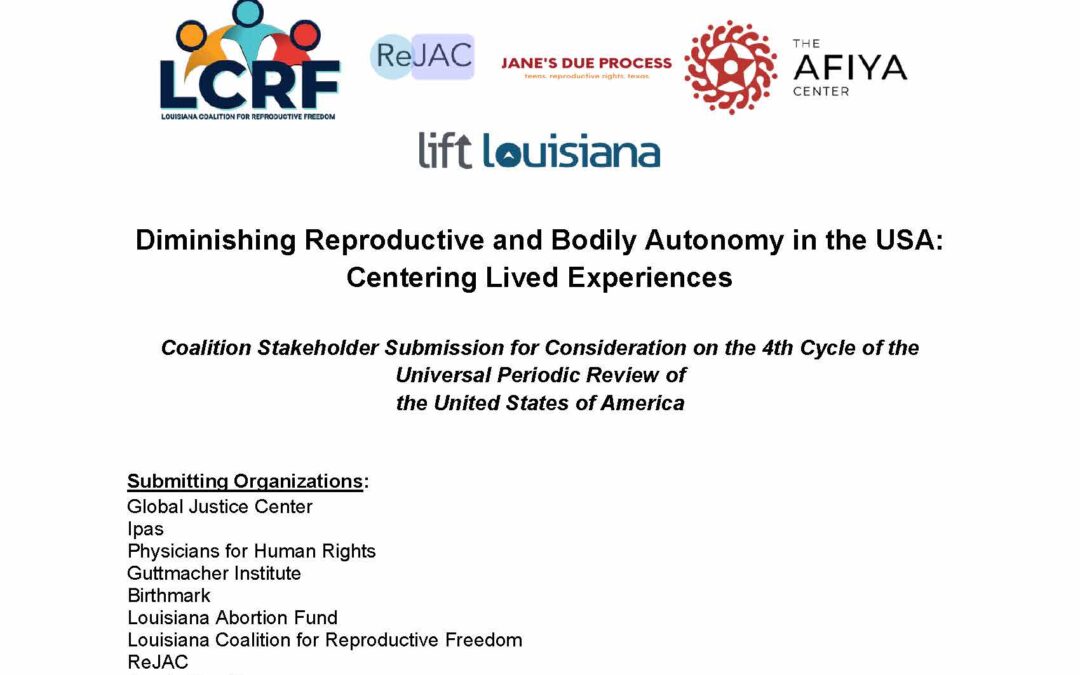
Abortion restrictions are incompatible with international human rights law. The U.S. government’s failure to ensure the provision of safe, legal, and accessible health care, including abortion, violates its obligations to protect and fulfill many human rights. In facilitating an increasingly restrictive landscape around abortion access, the U.S. has breached its international human rights obligations.
Apr 16, 2025
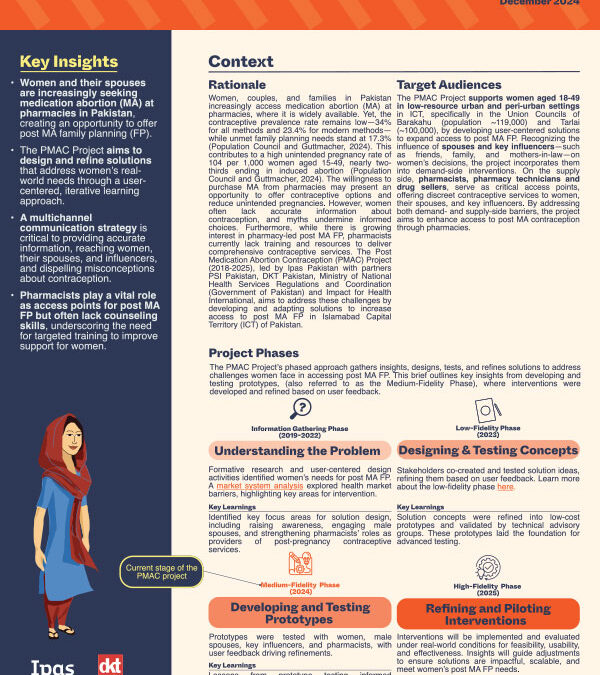
The PMAC project in Pakistan takes a phased approach to gathering insights, developing and testing solutions, and refining interventions as needed to ensure we are addressing the challenges women face in accessing post medication abortion (MA) family planning (FP). This learning brief outlines key insights from developing, testing and refining prototypes (also referred to as the Medium-Fidelity Phase) aimed at increasing women’s access to post MA FP in Islamabad Capital Territory.