Jun 23, 2020
Research has not kept abreast of women’s self-use of medical abortion, leaving many gaps in the scientific literature regarding the ideal conditions for safe and effective use. In December 2016, a group of 20 global abortion researchers convened following the Africa Regional Conference on Abortion to discuss current and future research on medical abortion self-use. This article lays out their list of identified research gaps and methodologic considerations in addressing them—challenges that are intended to inform both ongoing and future research.

Jun 23, 2020
This manual serves as a quick reference guide for pro-choice advocates. The guide offers factual evidence debunking ten widely disseminated abortion myths, and provides supporting background information and resources. We hope this guide will help reproductive rights activists to confidently respond to challenges to our work and to continue advocating for abortion based on clear, scientific and unbiased data.
Jun 23, 2020
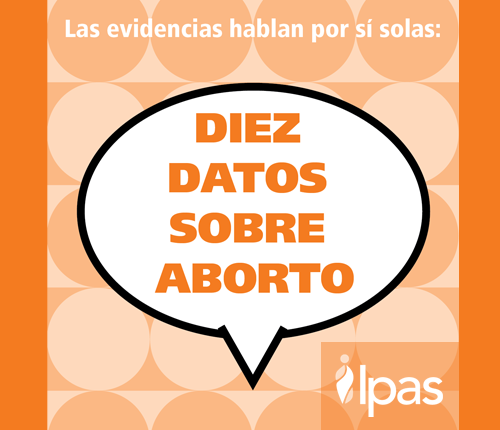
Este manual sirve como guía de referencia rápida para promotores del derecho a decidir. La guía ofrece evidencia factual, que desacredita diez mitos sobre el aborto ampliamente difundidos, y proporciona antecedentes y recursos suplementarios. Esperamos que esta guía ayude a activistas defensores de los derechos reproductivos a responder con confianza a los retos en nuestro trabajo y a continuar abogando por el derecho al aborto basándose en datos científicos claros e imparciales.
Jun 23, 2020
The objective of this study was to validate recommended reprocessing methods for Ipas manual vacuum aspiration (MVA) devices. The study found that Ipas MVA devices were not negatively affected following validated instrument reprocessing methods for high-level disinfection (HLD) or sterilization for up to 25 reuse cycles. STERRAD and Cidex OPA did not meet assessed standards and are therefore not recommended. Strict adherence to guidance is critical for effective reprocessing of instruments.
Jun 23, 2020
The objective of this research was to explore the context of abortion stigma in Ghana and Zambia through qualitative research, and develop a quantitative instrument to measure stigmatizing attitudes and beliefs about abortion. Focus group discussions were conducted in both countries, and a Stigmatizing Attitudes, Beliefs, and Actions scale was created. It captures three important dimensions of abortion stigma: negative stereotypes about men and women who are associated with abortion, discrimination/exclusion of women who have abortions, and fear of contagion as a result of coming into contact with a woman who has had an abortion. It provides a validated tool for measuring stigmatizing attitudes and beliefs about abortion in Ghana and Zambia and has the potential to be applicable in other country settings.