







Democratic Republic of Congo
September 2, 2026
Here are six recommendations for health systems and staff to ensure that people seeking essential reproductive health services like abortion and family planning can still safely access care.
These recommendations are drawn from our guidance for health systems. If you’d like to see our full guidance—including detailed infection prevention and control recommendations—please email [email protected].
1. Minimize unnecessary client-provider interactions
Prioritize medication or self-managed abortion as the primary, first-line care method, using digital health tools and community distribution to reduce unnecessary clinic visits.
2. Make facility-based abortion care safe
When needed, abortion care can be safely performed in equipped Ebola treatment centers or health-care facilities with appropriate infection prevention and control measures.
3. Ensure access to contraception throughout an Ebola outbreak
Guarantee contraceptive access by providing preferred methods—including long-acting reversible contraception and emergency contraception—along with safe removal services and condoms. Reduce facility visits by distributing 6–12 months of supplies of short-term contraceptives, encouraging self-administered injectable contraception, and offering advance distribution of emergency contraception.
4. Ensure screening and triage don’t delay access to emergency postabortion care (treatment of unsafe abortion complications) and other essential sexual and reproductive health services
Ensure private, confidential triage with trained staff who can accurately distinguish normal causes of bleeding (menstruation, pregnancy-related, or violence) from suspected Ebola, reducing misdiagnosis. Provide rapid, timely testing for Ebola, malaria, and pregnancy to minimize delays in patient care.
5. Support people recovering from Ebola who became pregnant prior to infection
Counsel pregnant individuals recovering from Ebola on the very high fetal/newborn mortality risk (>95%) and support informed decision making, including access to safe abortion services if desired. Recovered patients who conceived before Ebola and are having an abortion should be treated in a health facility using standard and Ebola-specific infection control measures due to transmission risk.
6. Put in place infection prevention and control measures
Ensure health staff are trained in personal protective equipment use, infection prevention and control, case management, and Ebola surveillance. Health facilities and Ebola treatment centers should be adequately supplied with protective equipment and infection prevention supplies—and should have a coordinated supply plan during outbreaks.
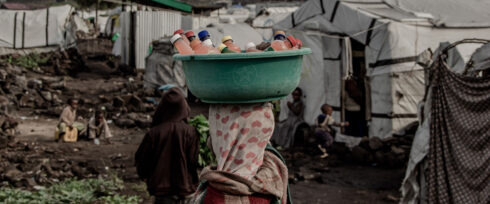
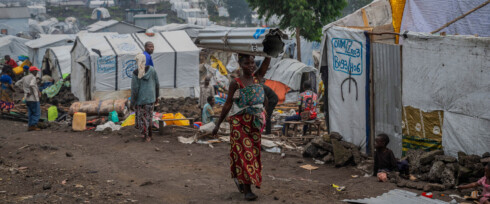
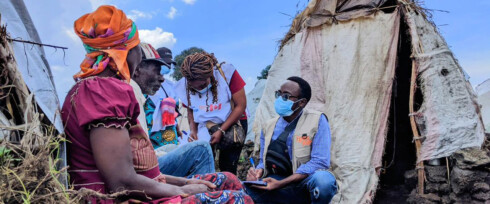
Every crisis is different. Our varied solutions recognize that.
Through a variety of different programs and approaches, we’re proving that reproductive health care can be made accessible during an acute crisis and in the years that follow.
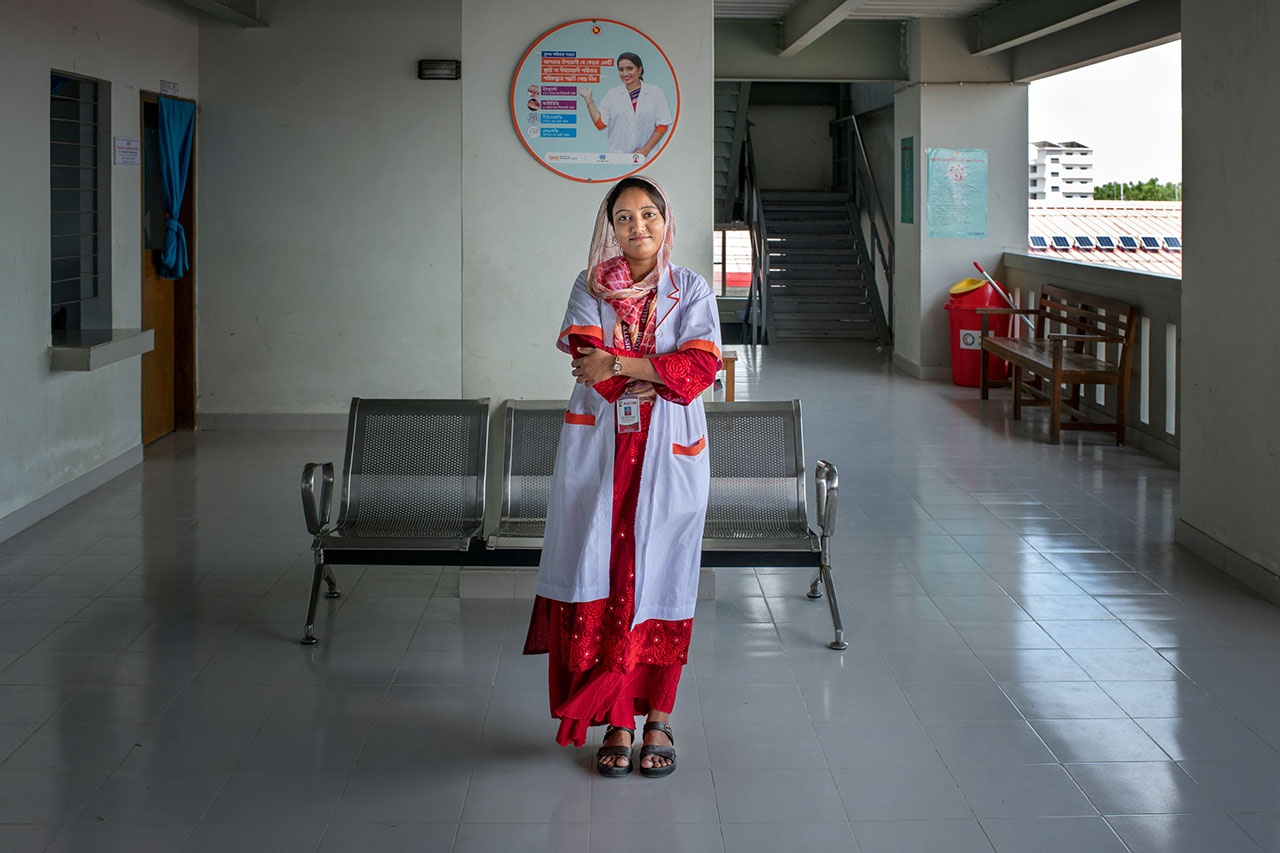
Bangladesh
Training health workers in Rohingya refugee camps

Bolivia
Providing health information and care to Venezuelan migrants

Ethiopia
Partnering with community groups and health workers during civil war

Kenya
Partnering with refugees to protect against COVID and ensure health-care access

Malawi, Mozambique and Zambia
Coordinating a response after cyclones and flooding
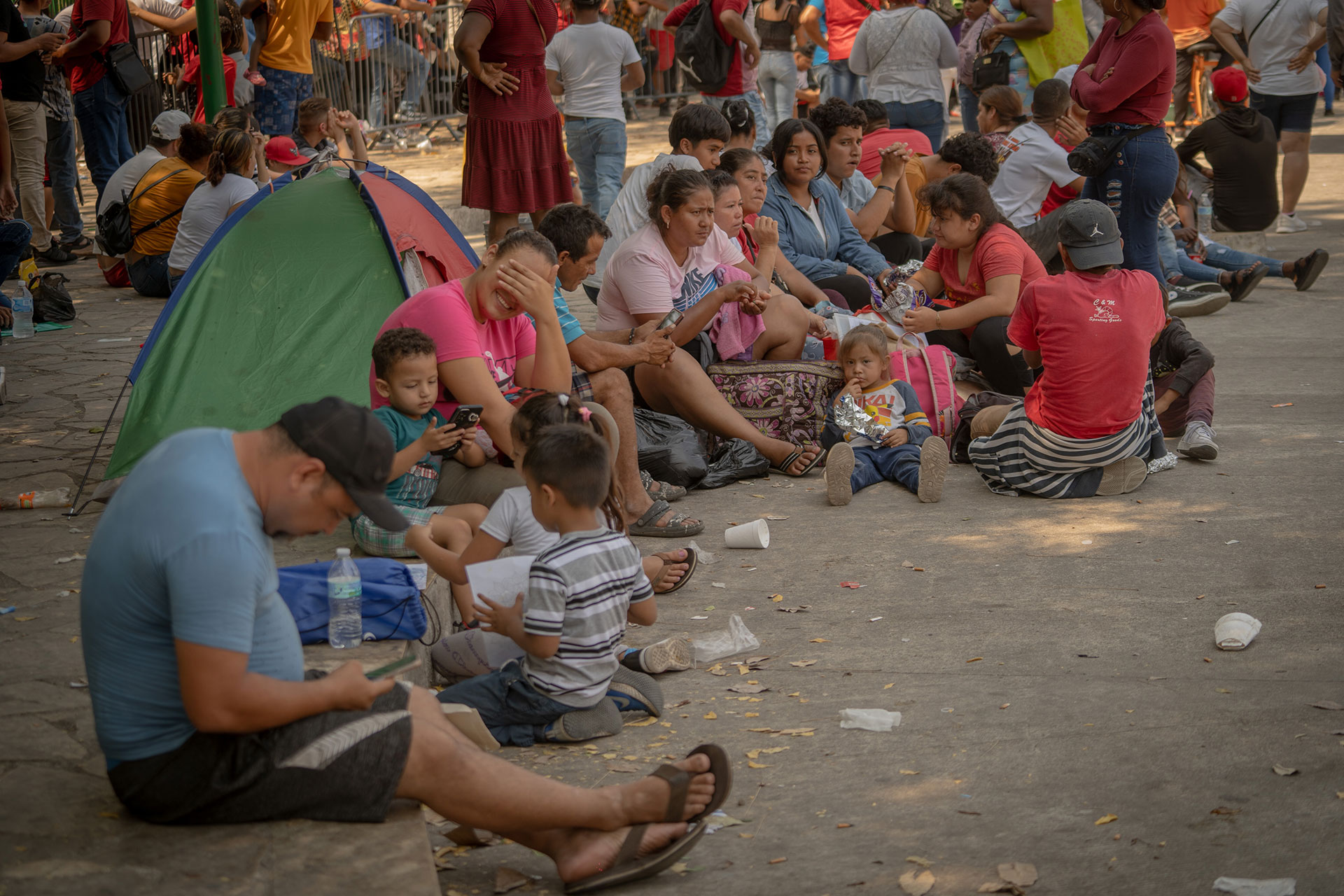
Mexico
Expanding abortion access along key migration routes
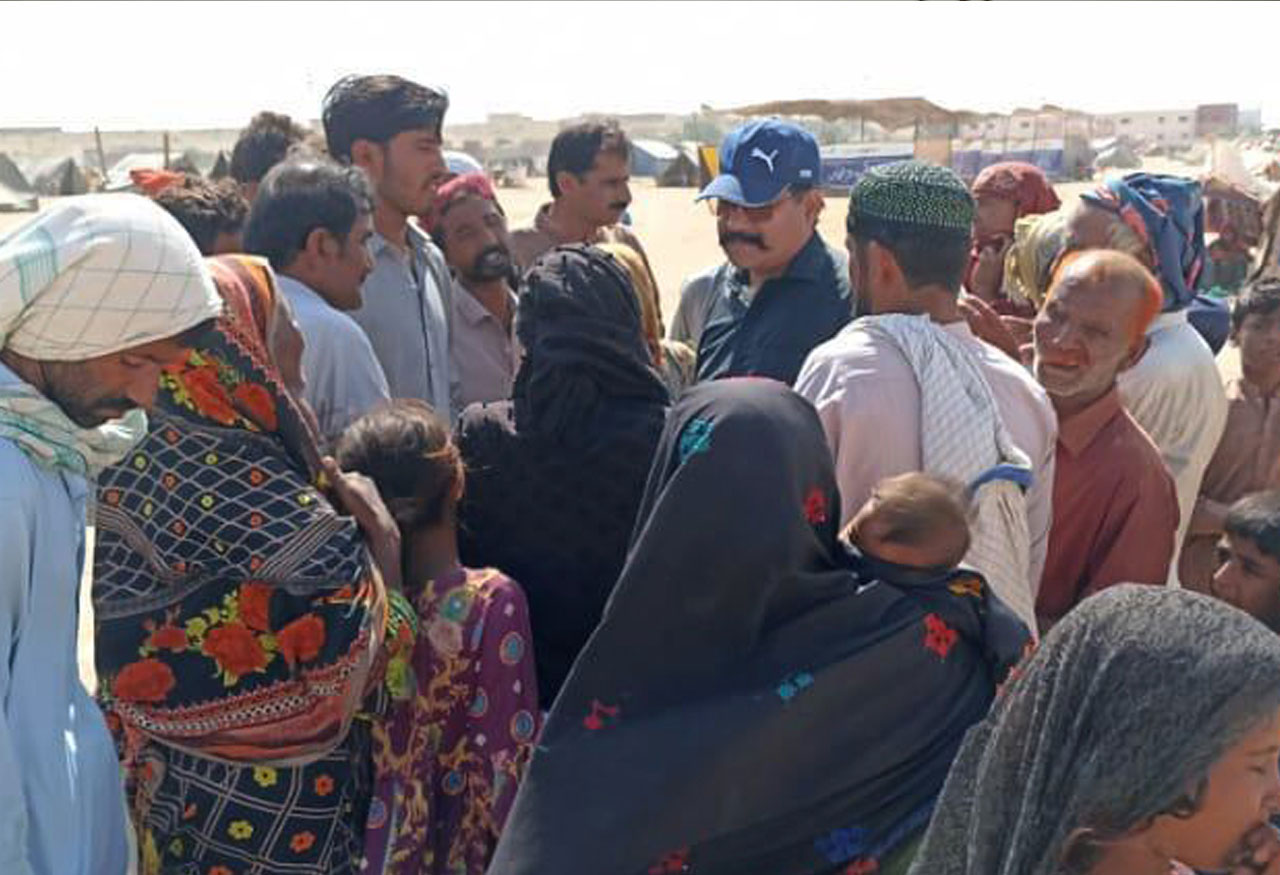
Pakistan
In flood-hit Pakistan, Ipas is ensuring reproductive health care