







A Q&A with Dr. Mike Mpoyi, lead for Ipas’s Quality of Care team
Dr. Mike Mpoyi, who brings both global health expertise and deep firsthand knowledge of the Democratic Republic of Congo and the east Africa region, explains why reproductive health care must remain part of the Ebola response.


“Women and girls are disproportionately affected during this Ebola outbreak because sexual and reproductive health needs are often deprioritized during crisis responses.”
For months, the Democratic Republic of Congo (DRC) has been grappling with the deadly Ebola virus. The latest outbreak is deepening an already fragile humanitarian situation and placing additional strain on overstretched health systems.
Like most humanitarian crises, the Ebola outbreak has had a disproportionate impact on women and girls. While access to health care becomes more challenging during outbreaks, the need for essential sexual and reproductive health services remains—and often intensifies.
Here, Dr. Mike Mpoyi, lead for Ipas’s Quality of Care team, discusses the impact of the outbreak on women and girls and how Ipas is working to ensure that sexual and reproductive health services remain accessible to those who need them most.
Could you describe the current situation in DRC?
Mpoyi: The outbreak emerged in a region already affected by severe humanitarian challenges. Eastern Democratic Republic of Congo, particularly around Ituri and Goma, was experiencing conflict, displacement, and disruptions to humanitarian operations. Many providers had fled or were displaced, and health systems were already under pressure.
The Bundibugyo strain of Ebola appeared in this context. Disease surveillance systems had weakened due to funding cuts, delaying the detection of the outbreak. By the time it was identified, cases had already spread within the region and across borders. People are always on the move in a crisis zone, and that movement throughout the region increased concerns about rapid transmission.
Because the Ebola outbreak is taking place within a broader humanitarian crisis that includes conflict, displacement, weakened health systems, and other disease outbreaks, responses really need to be integrated rather than siloed.
How is the outbreak affecting women and girls?
Women and girls are disproportionately affected because sexual and reproductive health needs often become deprioritized during a crisis response like this—but these services are essential and often lifesaving. There’s a risk that funding and attention will shift entirely toward Ebola containment, while services such as contraception, abortion, and gender-based violence response receive less support. Women in humanitarian settings already face an increased risk of violence, economic hardship and limited access to care, so those disruptions can be especially harmful.
There are also clinical challenges. For example, menstrual bleeding or abortion-related bleeding may be mistaken for Ebola symptoms. In addition, women who contract Ebola during pregnancy face an extremely high likelihood of pregnancy loss, making access to comprehensive reproductive health care particularly important.
What steps has Ipas taken to ensure women and girls continue accessing sexual and reproductive health services during the outbreak?
Rather than scale back operations, Ipas DRC is maintaining and adapting sexual and reproductive health services. We’re focused on strengthening provider readiness and facility preparedness. Personal protective equipment is central to the response, and we encourage providers to use masks, gloves, goggles, and protective coverings during procedures as necessary.
When clinically appropriate, Ipas recommends medical abortion (abortion with pills) and supports self-managed care (rather than facility-based abortion) because these approaches reduce the time women spend in health facilities and limit unnecessary contact between patients and providers. If a woman needs a procedure in a clinic, we advise facilities to maintain strict infection prevention measures that reduce direct physical contact with bodily fluids.
Additionally, we’re providing information to help health workers understand the outbreak, including how to recognize symptoms of Ebola, how to prevent infection, and how to safely deliver health care during this time. Our guidance emphasizes maintaining essential services while minimizing transmission risks.
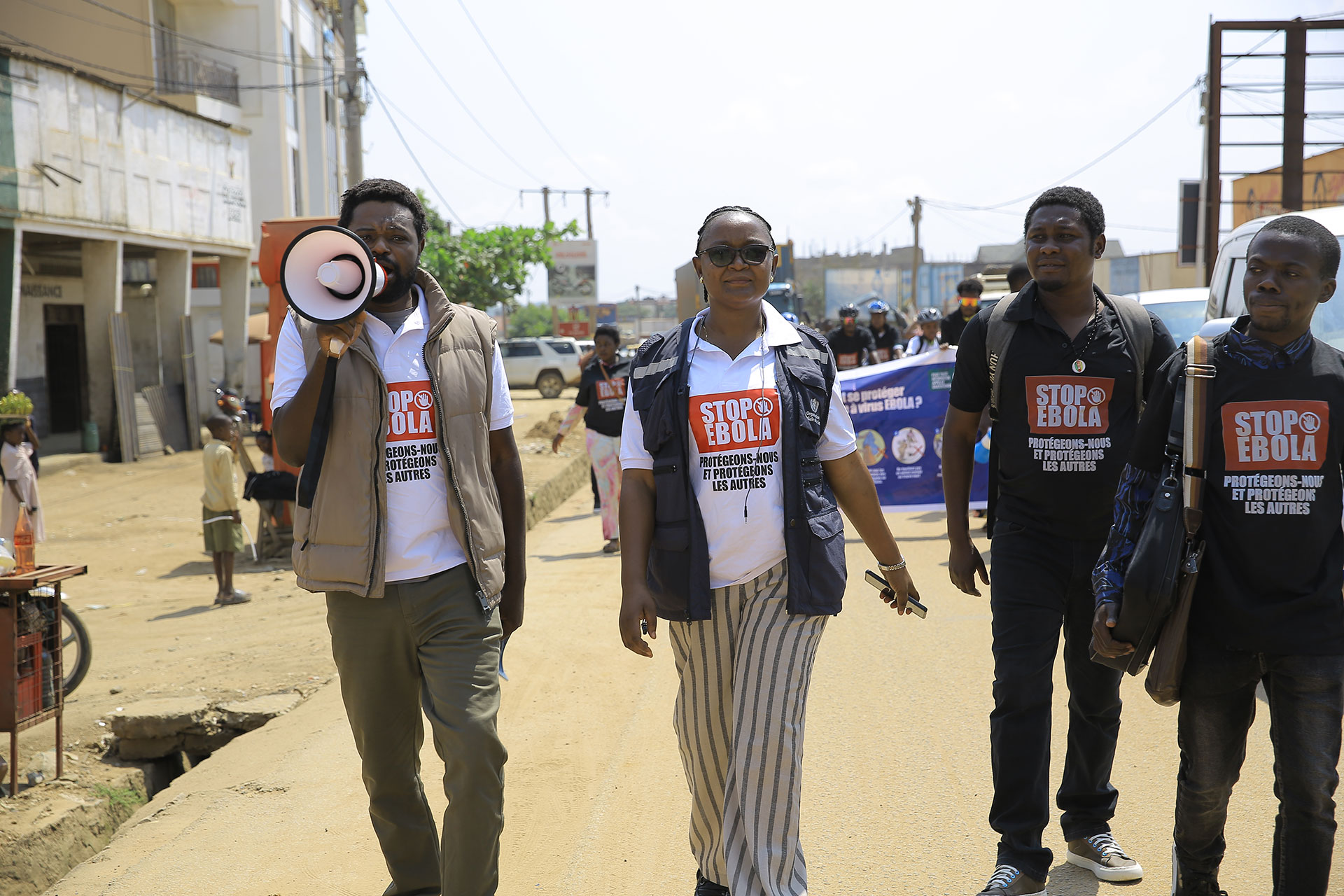
Ipas has developed guidance to help health professionals provide sexual and reproductive health services safely during the Ebola virus outbreak, and you can access them here.
What are the biggest challenges facing Ipas teams right now?
The primary challenge remains insecurity. Ongoing conflict affects our staff’s ability to move freely, to access the health facilities we support, and overall to conduct our response efforts. And there’s a continuing need to foster local community engagement and integrated referral systems that connect people to accurate information and health services.
Some health facilities we support previously experienced looting and loss of equipment due to the armed conflict, making them more vulnerable now during the outbreak. We need additional support to help restore and strengthen these health facilities’ ability to serve people.
Continued investment would also help us scale up telemedicine and other digital health solutions so we can provide virtual support to some health centers, better collect data on services provided, and mentor clinicians without having to travel.
What would you most like Ipas’s donors and partners to understand?
That sexual and reproductive health services must remain part of humanitarian and epidemic responses, rather than being treated as optional or secondary. Humanitarian funding should support access to contraceptives, abortion care, and other sexual and reproductive health services.
There’s also an ongoing need to support health providers, to build reliable supply chains, to ensure personal protective equipment is available, and to support self-managed abortion with pills where appropriate.
Investment in sexual and reproductive health is a necessary part of both effective outbreak response and humanitarian assistance.