





Legalizing abortion does not guarantee that those who need this vital service can get it. For many people who want to end a pregnancy, their path is blocked by long travel times, stigma, threat of violence, or expensive fees for surgical methods. Abortion with pills allows them the freedom to take care of this acute need in their home or another secure space. That’s why the fight for self-managed abortion is a crucial aspect of reproductive justice.

In the beautiful Tororo District of Eastern Uganda, where Tororo Rock rises in the distance, you can find the Petta Health Centre III—an Ipas supported-facility where clients come from across the region to receive comprehensive and caring abortion services from an Ipas-trained provider.
In the wake of tropical cyclone Ana, which has killed more than 80 people in Southern Africa, Ipas teams in Malawi, Mozambique and Zambia are preparing a coordinated response to ensure that reproductive health care, including access to postabortion care and contraception, remains available to women and girls affected by the storm.

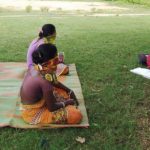

During COVID-19, women and girls around the world have faced a surge in gender-based violence (GBV) linked to lockdowns and stay-at-home orders issued by governments in response to the pandemic.
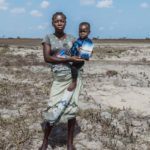
In the coastal town of Joal in Senegal, the community are dependent on the sea for everything from their food to their livelihoods. But a reduction in rainfall, plus an influx of sea water and algae, caused by rising sea levels and erosion, means that many species of fish that used to flourish in the mangroves no longer do so.
Ipas’s 2024 research provides crucial evidence on abortion access, care quality, and stigma reduction. With 26 studies in 15 peer-reviewed journals across nine countries, these findings inform policy, improve health services, and advance SRHR worldwide.

A bold new effort to coordinate and catalyze the safe abortion movement across Francophone Africa is under way.