







In Argentina, a 2020 law change provided the opportunity to explore how legal reform impacts access to quality care. This study found that while the safety of abortion care in the study sites remained consistent, legal reform expanded access to safe abortion services up to 15 weeks, especially for disadvantaged women.
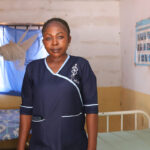
In the aftermath of humanitarian crises, many communities are forced out of their settlements, increasing their vulnerability. In such challenging environments, transactional sex for food is the norm, and consequently, increased instances of rape and forced marriages.

The study found that clients in both groups were highly satisfied with their care. It also found that telemedicine was as effective as in-person care when clients received clear, comprehensive guidance, reinforcing telemedicine as a strong option for expanding access, quality, and equity.
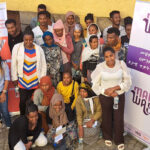
The Make Way Project is a four-year initiative by Ipas Ethiopia and partners to expand access to sexual and reproductive health information and services for young people in Ethiopia—particularly those who have been displaced or who live with disabilities.

On April 23, the Bolivian Senate approved a bill to eliminate legal exceptions that previously allowed marriage from the age of 16 with parental or judicial authorization. This milestone represents a historic victory for the protection of girls and adolescents against child marriage.
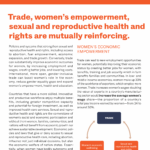
This brief highlights how international, more open, gender-inclusive trade can boost women’s role in the economy, can reduce gender equality gaps, and can expand women’s empower, health and education—and how trade, women’s empowerment and sexual and reproductive health and rights are mutually reinforcing.
In March 2025, a broad spectrum of key stakeholders gathered in Mogadishu, Somalia, to discuss how to build a sustainable ecosystem for maternal and reproductive health care. A strategic roadmap emerged from the multi-day event, along with a shared commitment by stakeholders to implement the plan and transform the country’s maternal and reproductive health landscape.
A recently released national report details a study highlighting gaps in Kenya’s sexual and reproductive health services—and gives compelling evidence that expanding access to modern and effective family planning and contraception is crucial to preventing unintended pregnancies and unsafe abortion methods.

Adolescents in Kenya stand at a critical crossroads, facing what has been aptly termed the “triple threat”: new HIV infections, sexual and gender-based violence (SGBV), and teenage pregnancies.
This study centers African adolescents’ own voices and shows that when policies are less restrictive and services are easier to reach, adolescents are more likely to obtain safe care and less likely to resort to unsafe abortion methods. These findings support the push for youth-responsive services, clearer pathways to care, and reforms that reduce fear, delay, and stigma.
In two humanitarian settings in Uganda and Kenya, a respondent-driven sampling study examines abortion incidence and safety, providing evidence on access and outcomes where care is often constrained.

Conducted by Ipas in partnership with the University of California, Berkeley, and the Association for Prevention of Septic Abortion, Bangladesh (BAPSA), this study protocol introduces a new method for more accurately measuring maternal deaths caused by abortion complications among forcibly displaced populations living in refugee camps.