





Ipas’s Dr. Demeke Desta shares what it was like before the law changed—and the progress he’s seen since.

The High Court in Malawi has ruled that adolescent survivors of sexual violence have the right to access abortion services in both public and private health facilities. Previously, abortion was only legally permitted to save a pregnant person’s life.

Together, we expanded reproductive freedom. With support from donors and partners, Ipas brought lifesaving reproductive health care to almost 2.5 million people at over 10,000 health access points across 24 countries. And we reached millions more with essential information about reproductive health.
Abortion rights in cases of stealthing: reflections, challenges and legal possibilities in Brazil: In 2025, Ipas-supported research in Brazil examined “stealthing,” removing a condom during sex without consent, and how it may fit within Brazilian law as a form of sexual violence with implications for legal abortion eligibility. This paper argues that pregnancies resulting from “stealthing” should qualify for legal abortion under existing exceptions for pregnancies resulting from rape.
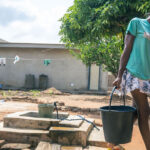
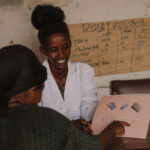
Everyone deserves the freedom to decide whether and when to become pregnant. When people don’t have access to contraception and accurate information on family planning, they have less control over their lives and futures. But of the 923 million people in low- and middle-income countries who want to avoid pregnancy, 218 million lack access to modern contraceptive methods due to barriers like cost, limited services, misinformation, provider bias, and gender inequality.




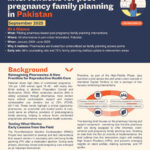
This PMAC learning brief examines the pharmacy training and support aspects of a pilot study in two peri-urban union councils in Islamabad Capital Territory. It highlights how frontline pharmacy staff are trained to provide informed, client-centered post-pregnancy family planning care. Drawing on data from the first six months of the study, the brief showcases how the intervention aligns with High Impact Practices (HIPs), offering insights into client profiles, training effectiveness, and family planning uptake.