Jun 23, 2020
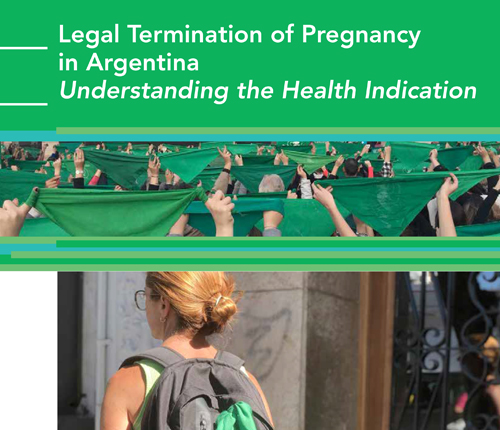
This factsheet—directed at Argentine health professionals working to improve access to safe and legal abortion—outlines a holistic approach to the application of the health indication in Argentina, in line with the World Health Organization’s definition of health and international human rights treaties.
Jun 23, 2020
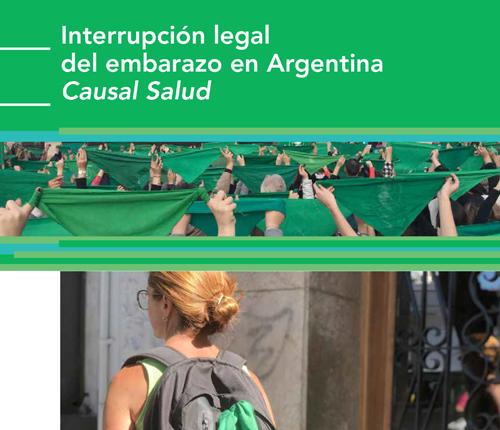
Este documento es dirigido a las y los profesionales que trabajan por el acceso al aborto legal y seguro en Argentina. Nuestro objetivo es colaborar con la comprensión teórica y legal de la causal salud para su práctica profesional, en consonancia con los tratados internacionales de protección de los derechos humanos.
Jun 23, 2020
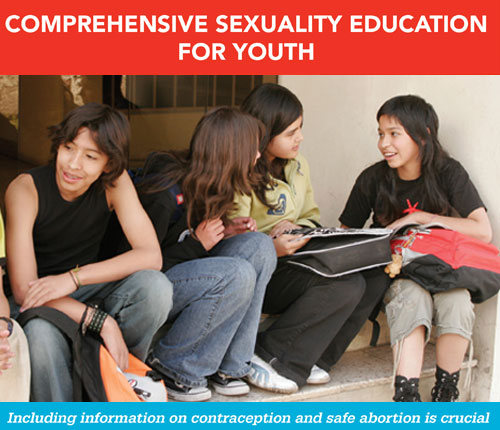
Comprehensive sexuality education (CSE) is a critical means of improving young people’s access to sexual and reproductive health (SRH) services and their ability to make safe and informed decisions. However, the topic of abortion remains absent from most CSE programs, which diminishes young people’s ability to avoid the dangers of unsafe abortion and to exercise their right to safe, legal abortion services. This factsheet summarizes the global movement to improve and expand CSE and offers key standards and approaches for creating quality CSE programs that include accurate, non-biased information about contraception and safe abortion.
Jun 23, 2020
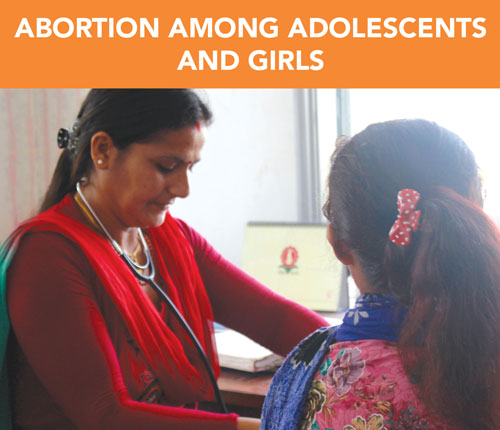
Young women and girls account for nearly one-third of all unsafe abortion-related deaths each year worldwide, with 15% of all unsafe abortions taking place among adolescents ages 15-19. Despite growing global attention to the health and welfare of adolescents and girls, little is known about the abortion experiences of girls under the age of 15. This factsheet examines the unique abortion-related experiences and needs of adolescents (ages 15-19) and girls (ages 10-14), based on a comprehensive literature review Ipas conducted in 2018.
Jun 23, 2020
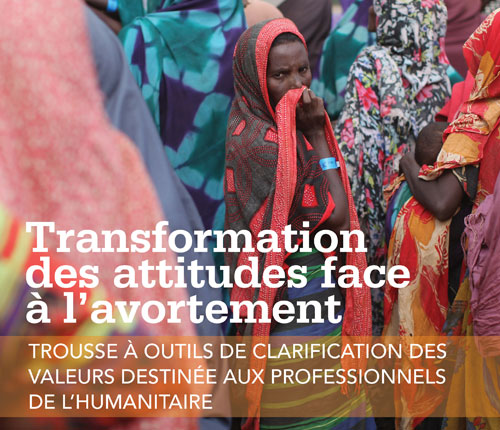
Quand il est réalisé par des prestataires formés, l’avortement est une procédure sécurisée et courante qui est autorisée par la législation de la plupart des pays pour au moins une situation. Pourtant, les femmes et les jeunes filles dans des contextes humanitaires ne peuvent souvent pas bénéficier de ce service de santé reproductive essentiel, même s’il est disponible pour le reste des femmes d’un pays accueillant des réfugiées.