







A mixed-methods study assesses whether respondent-driven sampling can be used to feasibly recruit participants with recent abortion experiences in humanitarian contexts, offering practical guidance for researchers working in hard-to-reach settings.

The authors propose improved survey questions about when and how people realize they are pregnant, including response options that capture physical signs, practical constraints, and emotional factors. Better measurement of pregnancy recognition can help explain why people seek care when they do, including abortion care.
Using data from Cambodia and Ghana, Ipas authors compare the SMA information and counseling provided by pharmacists to women with that provided by a health provider at a clinic. While pharmacists and clinic-based providers focused on different aspects of SMA counseling, results indicate that both cadres would benefit from training to ensure their clients receive the best information and counseling possible.
This publication documents the journey of the Sexual and Reproductive Health and Rights and Climate Justice Coalition, co-founded by Ipas. The coalition connects more than 100 organizations working to build evidence, challenge harmful narratives, and champion locally led solutions rooted in autonomy and rights.
In Nepal, research explored how repeated climate disasters are linked to changes in women’s safety and daily lives, including increased risk of gender-based violence, but also greater autonomy in decision-making as men migrate for work.
Enabling civil society organizations (CSOs) in sub-Saharan Africa to develop research ensures equitable scholarly representation and addresses local problems in sexual and reproductive health. To this end, a transnational research collaboration was formed to evaluate abortion services and develop the research capacity of two CSOs in the Democratic Republic of Congo (DRC). The team included Karolinska Institutet, Partners for Reproductive Justice (IPAS) and the National Midwives’ Association (SCOSAF). The objective of this article is to discuss the context of the partnership, including research capacity-building inputs, processes, outputs, and outcomes, as well as lessons learned and recommendations. Activities were tailored to the research capacities of each CSO and the research team of clinical care providers over the two-year project period. Research capacity-building resulted in increased opportunities for team members to conduct research and manage research projects outside of academia. Overall, there were improvements in midwives’ capacity to design and conduct research, and in the midwives’ association’s capacity for research management and project administration. Recommendations for others include pragmatic incorporation of gender considerations, approaches to organizational and individual research capacity-building, and baseline CSO capacity assessments for research management. Health research conducted in a non-academic setting, specifically within CSOs, can be a pathway to research equity. In DRC, it strengthened health professionals in their capacity to generate evidence to influence local abortion policy and health services in Kinshasa, DRC.
Findings from literature reviews in Côte d’Ivoire, the Democratic Republic of Congo, and Mali
A three-year project by Ipas and partners aims to deepen understanding and evaluate solutions to reduce gender-based violence (GBV) and discrimination in secondary schools in Côte d’Ivoire, the Democratic Republic of Congo (DRC), and Mali.
For women in Uganda, the experience of seeking and receiving quality abortion care within the public health system can be a challenge due to a restrictive law and abortion stigma. Research shows that high-quality abortion care is client-centered and provided by clinicians that are trained in compassionate communication to improve a client’s experience.

This manual serves as a quick reference guide for pro-choice advocates. The guide offers factual evidence debunking ten widely disseminated abortion myths, and provides supporting background information and resources. We hope this guide will help reproductive rights activists to confidently respond to challenges to our work and to continue advocating for abortion based on clear, scientific and unbiased data.
This publication offers a new definition of sexual and reproductive wellbeing and a short measure to assess it, shifting attention toward whether people are able to live the sexual and reproductive lives they want, not just whether services were delivered.
The PMAC model has demonstrated clear wins for clients (through personalized care) and the health system (by positioning pharmacies as accessible contraceptive outlets). But the third leg of the triangle – the provider – remains less understood: Can pharmacies profit while delivering these services?
In cyclone-affected communities in Bangladesh, researchers found that extreme weather can make it harder for people to get the sexual and reproductive health care and information they need, and that marginalized groups, such as low-income and displaced people, experience the most severe disruptions.
In Argentina, a 2020 law change provided the opportunity to explore how legal reform impacts access to quality care. This study found that while the safety of abortion care in the study sites remained consistent, legal reform expanded access to safe abortion services up to 15 weeks, especially for disadvantaged women.
The study found that clients in both groups were highly satisfied with their care. It also found that telemedicine was as effective as in-person care when clients received clear, comprehensive guidance, reinforcing telemedicine as a strong option for expanding access, quality, and equity.
This brief highlights how international, more open, gender-inclusive trade can boost women’s role in the economy, can reduce gender equality gaps, and can expand women’s empower, health and education—and how trade, women’s empowerment and sexual and reproductive health and rights are mutually reinforcing.
This study centers African adolescents’ own voices and shows that when policies are less restrictive and services are easier to reach, adolescents are more likely to obtain safe care and less likely to resort to unsafe abortion methods. These findings support the push for youth-responsive services, clearer pathways to care, and reforms that reduce fear, delay, and stigma.
In two humanitarian settings in Uganda and Kenya, a respondent-driven sampling study examines abortion incidence and safety, providing evidence on access and outcomes where care is often constrained.

Abortion restrictions are incompatible with international human rights law. The U.S. government’s failure to ensure the provision of safe, legal, and accessible health care, including abortion, violates its obligations to protect and fulfill many human rights. In facilitating an increasingly restrictive landscape around abortion access, the U.S. has breached its international human rights obligations.
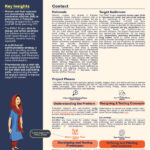
The PMAC project in Pakistan takes a phased approach to gathering insights, developing and testing solutions, and refining interventions as needed to ensure we are addressing the challenges women face in accessing post medication abortion (MA) family planning (FP). This learning brief outlines key insights from developing, testing and refining prototypes (also referred to as the Medium-Fidelity Phase) aimed at increasing women’s access to post MA FP in Islamabad Capital Territory.