







Rebuilding her life after a forced marriage
Photography by Rosa Panggabean and videography by Riani Singgih. Learn about Panggabean’s process and what she finds inspirational about her work.
At age 14, Nur Aini was in school, working toward her dream of becoming a teacher. Then she got pregnant.
Her pregnancy out of wedlock disappointed her parents, and Nur Aini considered an abortion, but was too scared.
“My parents convinced me to get married, and I agreed because I figured it would lessen the burden on them,” Nur Aini says. “It turned out to be just the same; I still feel like I’m a burden and regret having such expectations.”
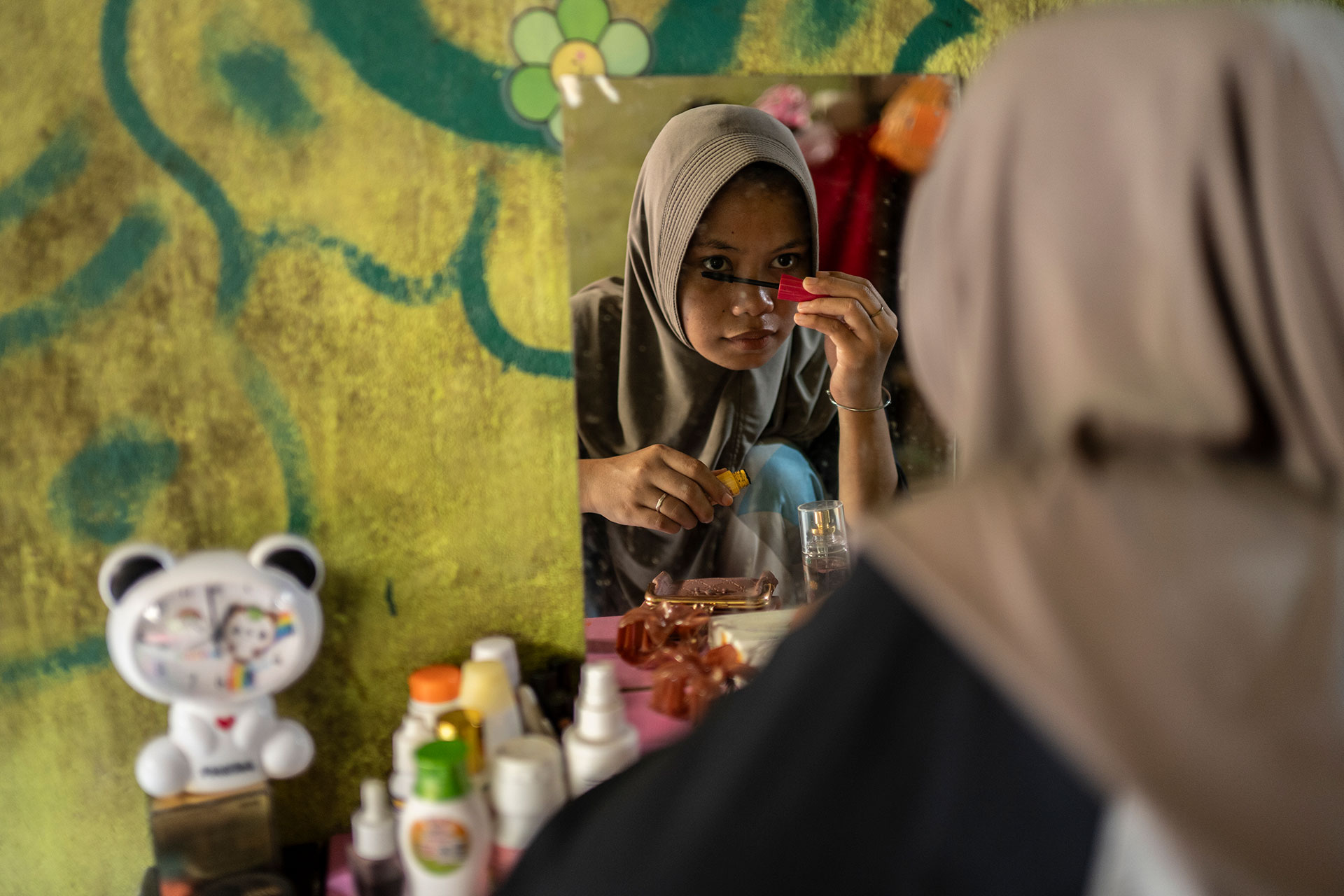

Nur Aini is one of many girls in Indonesia who have faced a similar fate. According to Girls Not Brides, 16% of girls in Indonesia marry before the age of 18 and 2% marry before the age of 15. The highest rates occur in rural villages like Langaleso in the Central Sulawesi Province of Indonesia, where Nur Aini lives. The area is extremely vulnerable to climate change and has a high rate of school dropouts primarily due to economic barriers.
Before she became pregnant, Nur Aini was in school but also worked with her grandmother as a brick layer to provide income for her family.
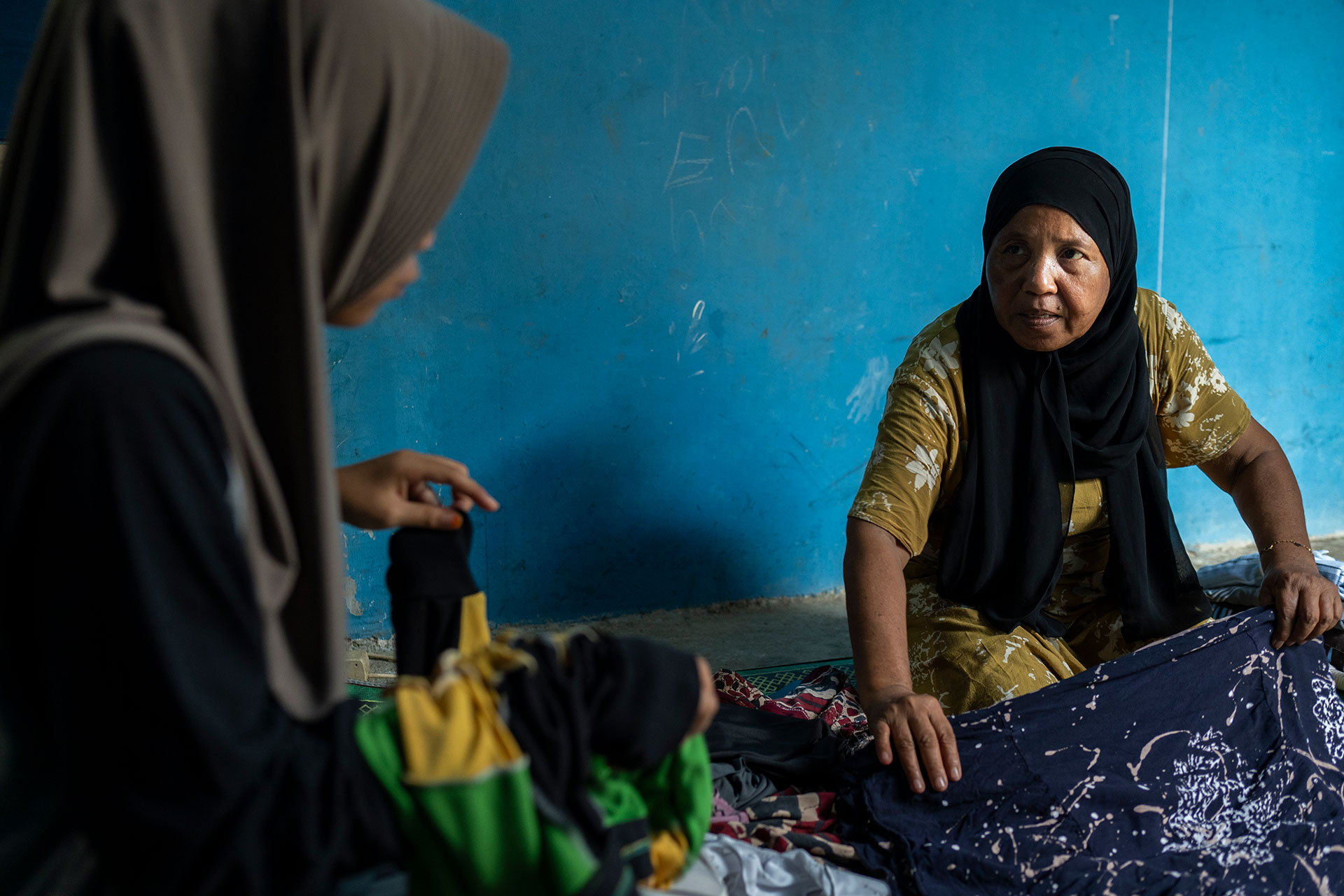
Nur Aini’s parents did not allow her to continue her education due to the stigma associated with teenage pregnancy. Pictured here, she folds clothes with her mother, Huzni.

My parents were sad and disappointed when they found out I was pregnant out of wedlock.”
“At that age, I didn’t get a choice,” Nur Aini says. “I didn’t really want to go to school anymore. I felt like I didn’t deserve it.”

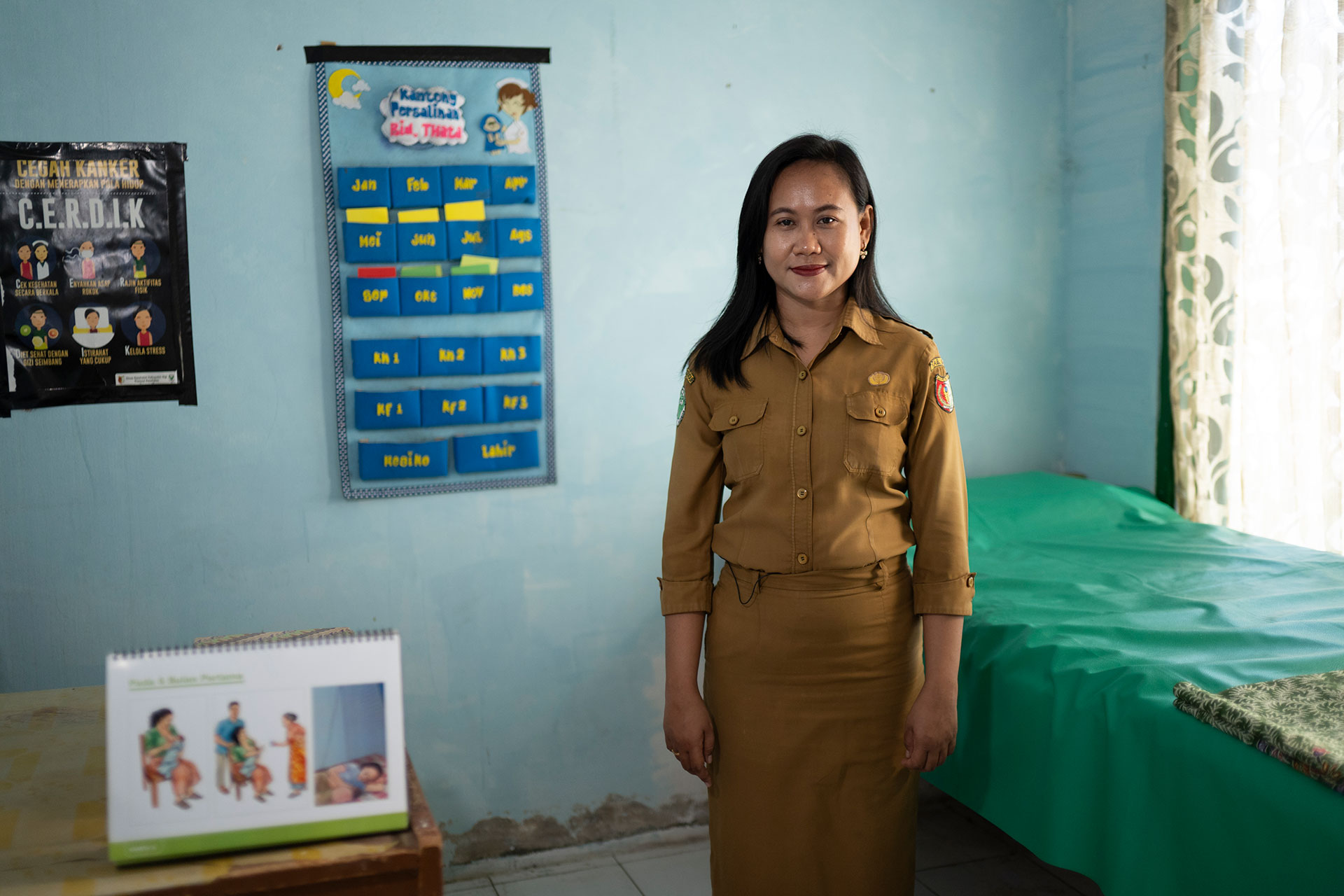
Nur Aini received crucial prenatal care and support during her pregnancy from Tabah Suanti, an Ipas-trained midwife working in Nur Aini’s village. Health workers are scarce here, so Suanti works long hours to provide care to the community.
Ipas trains doctors, midwives and nurses to respectfully care for girls like Nur Aini who experience pregnancy, gender-based violence and child marriage. Transformed by Ipas’s training, Suanti now also educates young women on the risks of early marriage.
“The Ipas training changed how we serve our community, as they taught us to be nonjudgmental when counselling pregnant teenage girls,” Suanti says. “This ensures they feel supported and not shamed. We are actively working to break the cycle of early pregnancy and underage marriage.”
One day, Nur Aini’s husband left without a word, and she was left to fend for herself and her four-year-old child.
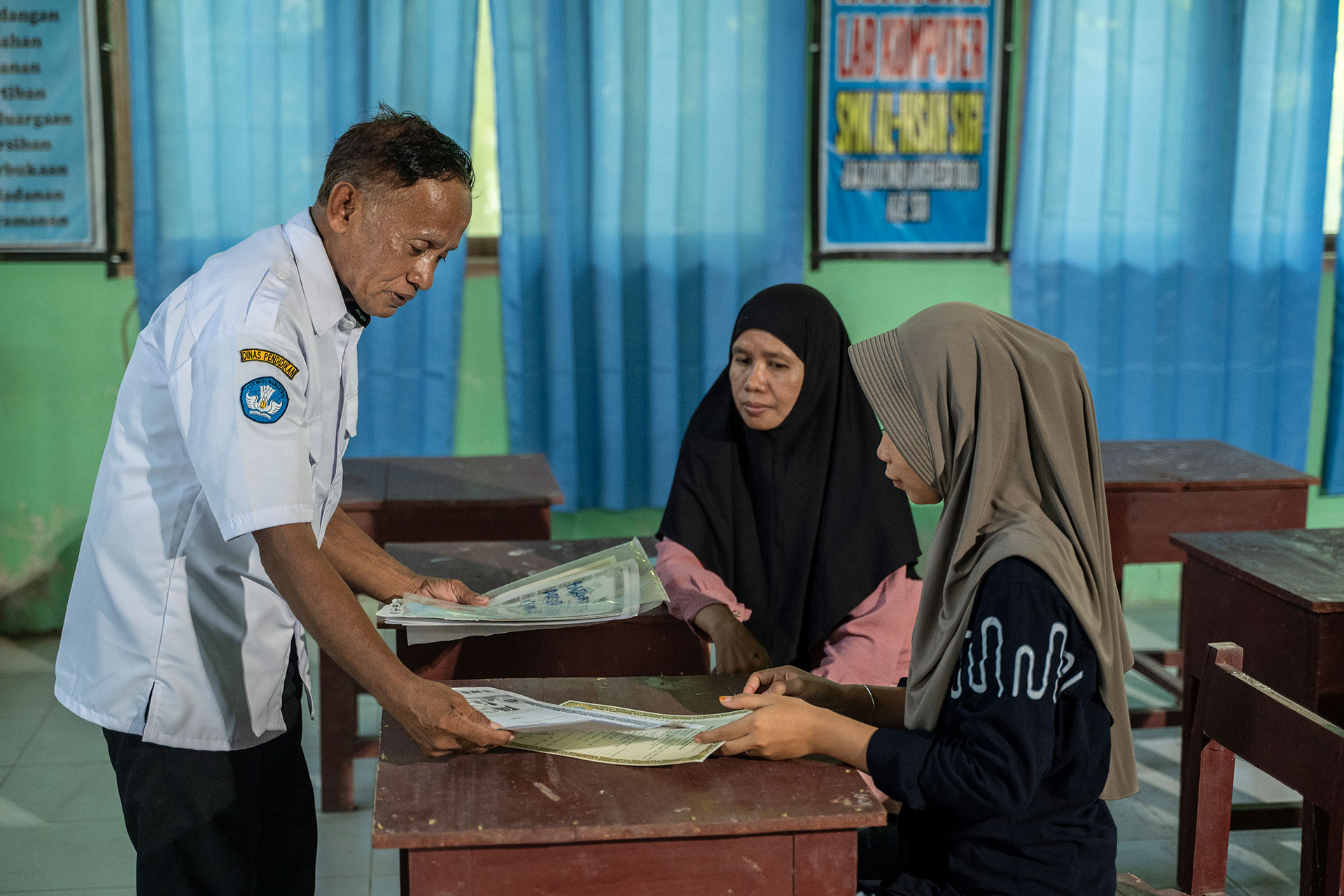
A new path forward appeared when her former school principal (pictured here) came to her family asking if anyone who had dropped out of school would like to return.
Now 18, Nur Aini is back at school and rebuilding her life, brick by brick.
Once the school reached out to me, I started thinking that maybe I should consider going back to school. To make things better, I could get my diploma,” Aini says.
We have a job to do. Will you join us?
Young people and their local communities already know what’s needed to fight the injustices of child marriage, teenage pregnancy and school dropout. With our holistic approach and vast network of local partners and experts, Ipas is uniquely positioned to help make lasting, systemic change.
With your support, we’ll build a world where every girl can control her own body and future.