






Martine Ngaina was arrested for helping a woman access contraception without a husband’s approval—and she kept fighting
Martine Naigna has spent the last 15 years working as a midwife in Chad’s toughest humanitarian settings—alongside refugee and nomadic communities, including in remote desert areas—to help meet the sexual and reproductive health needs of women and girls who are often the most marginalized and least served by the health system in times of crises.
Now a health systems advisor with Ipas in Chad, she has built her career in a landscape where abortion is legally restricted and where patriarchal norms and systemic barriers have historically cost women their lives. Her advocacy was born of a singular, mounting frustration: witnessing preventable and needless maternal and child deaths because women lacked the autonomy to make decisions about their own bodies.
“Because abortion is legally restricted, it makes people like me committed to reproductive freedom, and this stems from deep frustration,” explains Naigna. “You can see the needs, but it’s not easy to meet them.”
Abortion was illegal in Chad until 2016. A legal shift that year decriminalized it under limited circumstances, including cases of sexual assault, rape, incest, or when the pregnancy endangers the mother’s life. Earlier, in 2002, Law 006 on the Promotion of Reproductive Health was officially passed, but the implementation decree wasn’t issued until 2021. This law is considered a cornerstone for women’s rights and bodily autonomy in Chad because it guarantees an individual’s right to reproductive health regardless of age or marital status.
Confronting opposition from religious and community leaders
Despite this progress on paper, the law does not translate to immediate gains. Stigma surrounding sexual and reproductive health is strong, and health professionals and women and girls have historically faced threats and arrests for providing or seeking reproductive health services.
Naigna is no stranger to these challenges. Early in her career, while working at a refugee camp with a humanitarian organization, she faced opposition from religious and community leaders who demanded that women seeking reproductive health care needed their husbands’ approval.
“I argued that there was a law in place which protected these women’s rights, but they would hear none of it,” she explains. “I stood my ground, and at some point, my colleagues and I stopped calling husbands for their approval before providing family planning services. Why should a woman get approval from somebody when she needs health care?”
She paid the price for her unflinching commitment to women’s bodily autonomy when she was arrested for giving a woman contraception without her husband’s consent (he then filed a complaint). However, her teammates and manager protested outside the police station, threatening to shut down all their services unless she was released.

“Why should a woman get approval from somebody when she needs health care?”
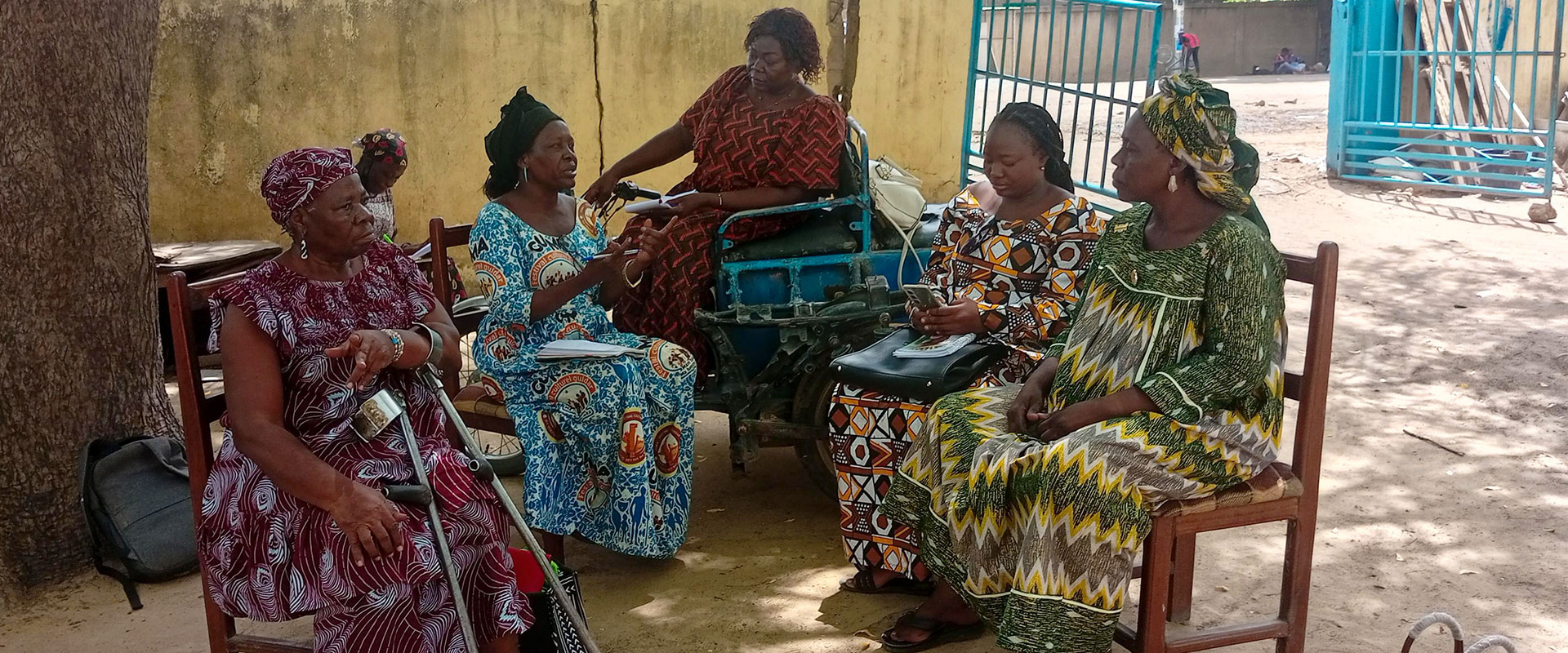
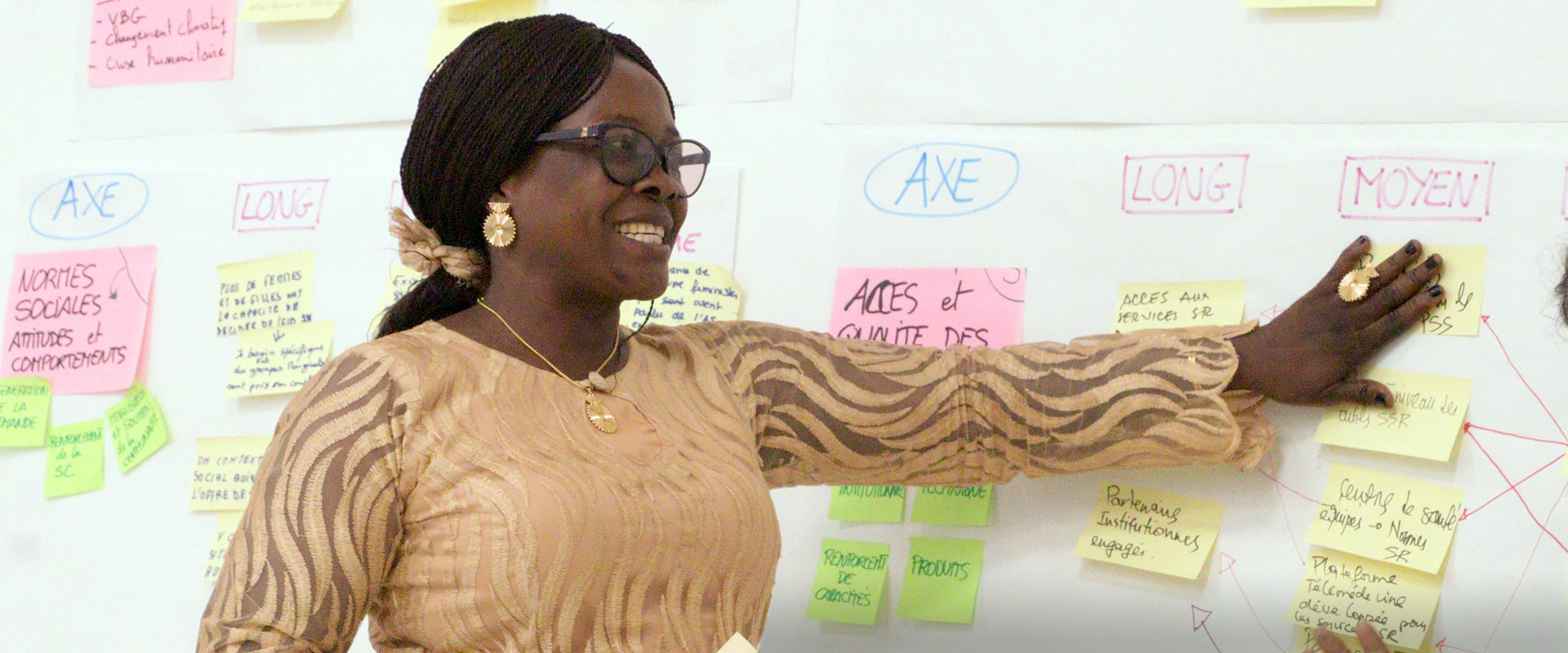
Naigna ( in a black headscarf) is pictured here during a training session with community members. © Paul Amany Philippe N’Guessan / Ipas Afrique Francophone
Driving change one community at a time
Undeterred by the incident, Naigna continued her community advocacy. Alongside her colleagues, she began holding information sessions with religious leaders to discuss Law 006, which grants access to contraception services.
“We met imams during Friday prayers,” she says. “Women can’t step into mosques, so we’d wait outside until they were done with prayers and speak to them. That’s how we ignited attitude changes at the community level.”
Naigna argues that while she respects religion, culture and laws, they should not impede the reproductive health of women and girls.
She and her colleagues witnessed tangible results. In the refugee camps where husbands dictated health-care access a decade ago, women now seek family planning freely.
“Midwives, too, have full freedom in granting family planning to women,” she says. “I’m proud to have been part of the people who fought to make this change happen.”
Ipas’s role in advocacy
Success at the refugee camp inspired Naigna to take on the role of health systems advisor with Ipas, which started operations in Chad in 2025 under the Women’s Integrated Sexual Health (WISH 2) project, funded by the Foreign, Commonwealth, & Development Office of the UK government. The work focuses on serving marginalized and hard-to-reach populations with high-quality reproductive health services and preventing death and injury from unsafe abortion. The program is a part of a broader effort to change harmful social and gender norms that hinder access to sexual and reproductive health services.
“I want adolescent girls and women to know their rights—and to have the freedom to manage their own health and to make their own choices,” explains Naigna. “Ipas’s vision aligns with my professional goals.”
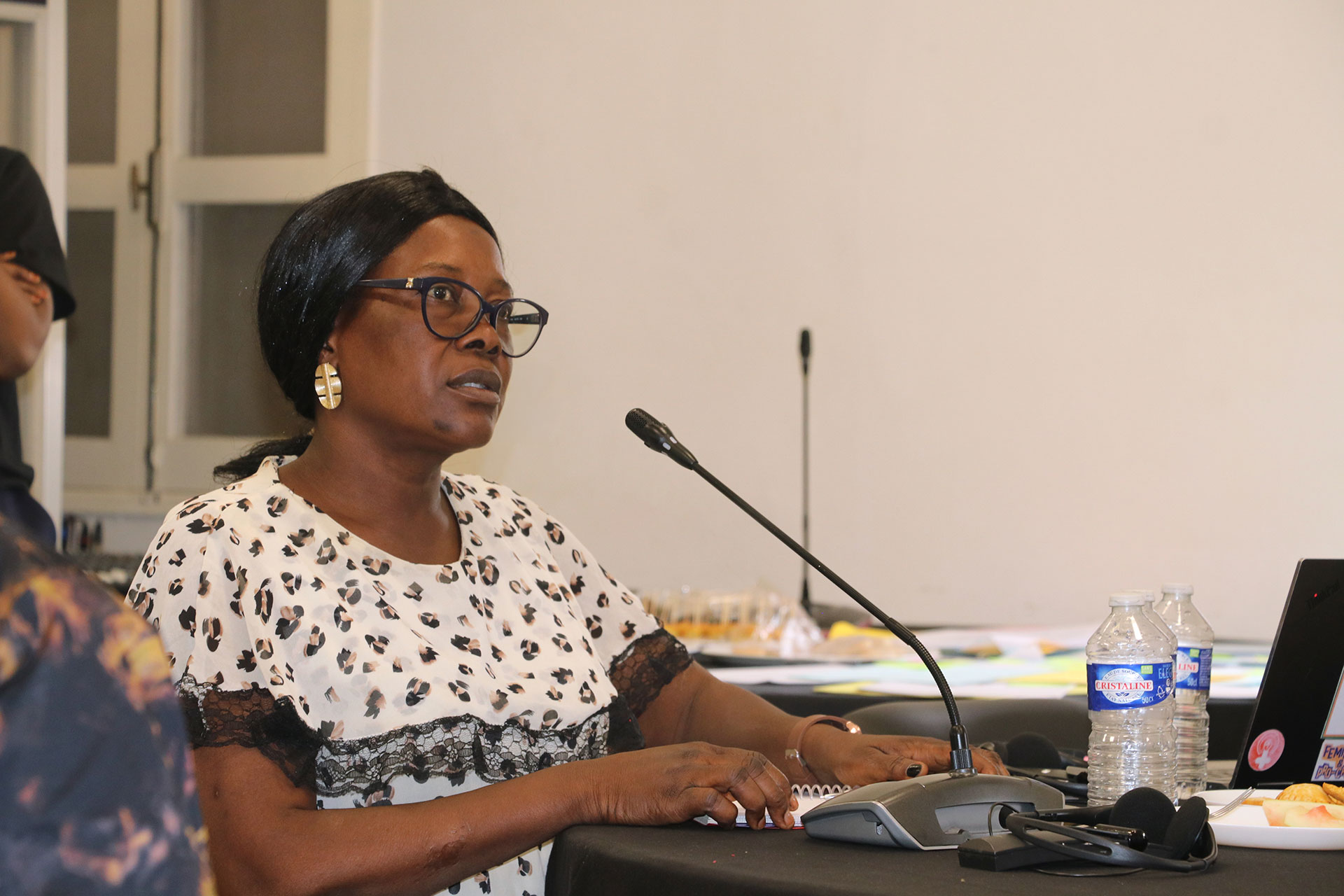
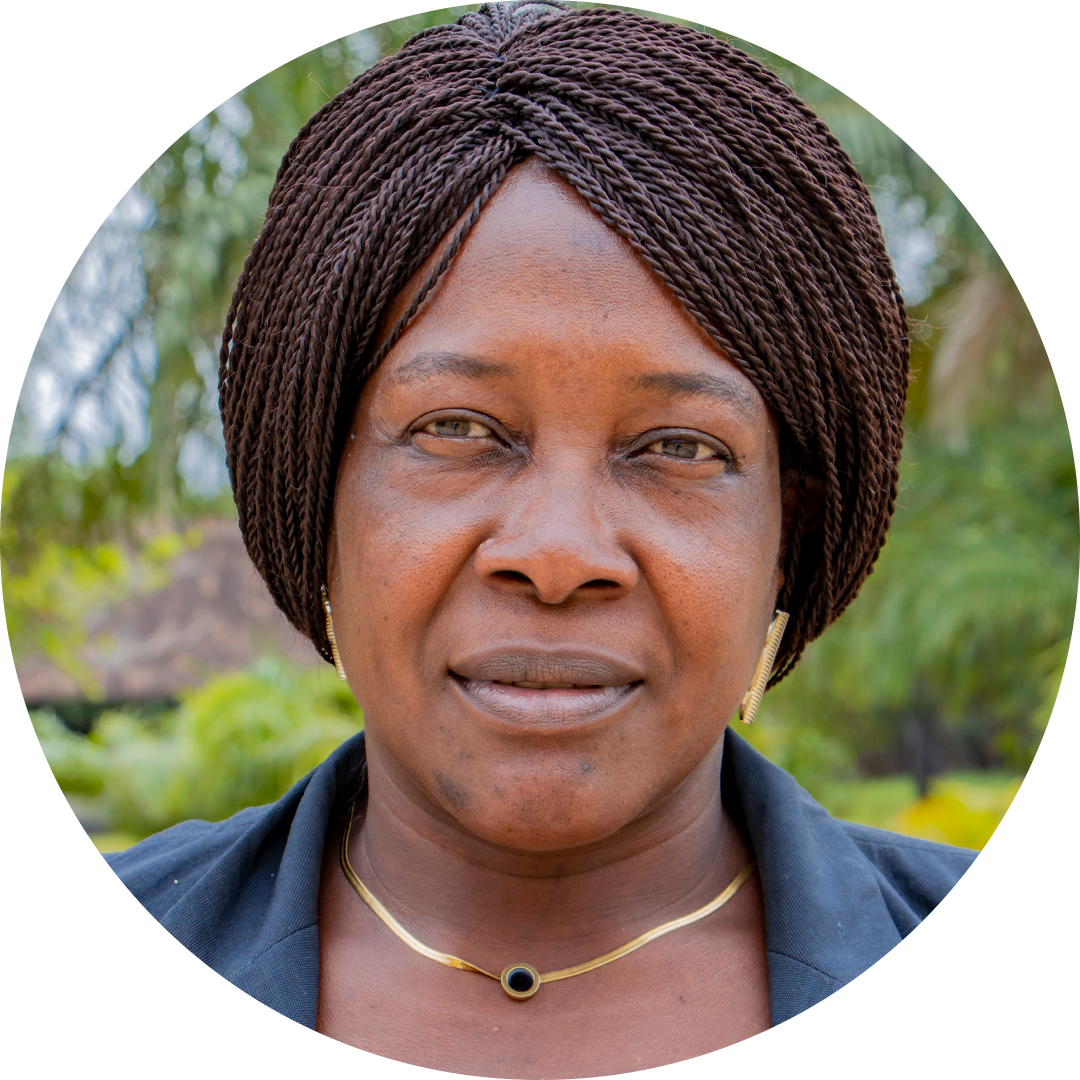
Naigna wants adolescent girls and women to know their rights. She joined Ipas in 2025 and has been instrumental in our training and advocacy efforts. © Paul Amany Philippe N’Guessan / Ipas Afrique Francophone
Naigna’s teammate—Sonia Adama Kodouroum, the research, monitoring and evaluation officer for Ipas in Chad—says the organization is filling a critical gap by documenting maternal deaths related to unsafe abortion and closely spaced pregnancies. Chad has one of the lowest contraceptive rates in the world, at 5%, and the second-highest maternal mortality rate, at 800 deaths per 100,000 live births.
“For us to work effectively in advocacy, we need some evidence to build from,” Kodouroum says. “We use this evidence as a basis for our arguments.”
Throughout Chad, Ipas is training young people as champions to raise awareness about the laws that exist to protect reproductive health and rights in the country. And Ipas is partnering with the Ministry of Justice to advocate for the ratification of the Maputo Protocol, which calls for women to be able to exercise their sexual and reproductive rights fully. “I want people in my local community to know that this freedom to choose exists, and that it’s necessary especially in cases of unplanned pregnancies where people feel the need to hide and procure unsafe abortions, which leads to deaths,” says Naigna. “I want people to know that they have the freedom to make their own choices about their bodies and their health.”
“I want people to know that they have the freedom to make their own choices about their bodies and their health.”
The WISH 2 project in Chad will also engage the media to raise awareness about how to access sexual and reproductive health services and existing laws in the country that promote reproductive rights.
“Using all forms of media—traditional, social and digital—will ensure that people in far-flung regions will get this information, including the legal knowledge they need to make informed choices about their reproductive health,” says Kodouroum.
Slow but steady progress
While progress in achieving reproductive freedom in Chad has been steady, it remains slow. Naigna stays motivated by the memories of girls and women who couldn’t be saved.
“I’ve seen women and girls die, even within my family, because they didn’t have the right to safe abortion or family planning,” she says.
For those feeling overwhelmed by the slow pace of social change, Naigna offers a message of resilience.
“To create some change, you need to stay determined. It’s a long-term fight, and it takes time for people to change. You must remain committed to your cause.”