







For women who want to end their pregnancies, laws that allow only medical doctors to provide abortion are real barriers. Abortion can safely be provided by nurses, midwives, paramedical personnel and other midlevel providers. Women who have correct information can take pills to end a pregnancy safely outside a health facility. However, many abortion laws require the involvement of one or more medical doctors. These laws criminalize women and other health professionals who end pregnancies safely without a doctor. Under doctor-only laws, health systems—particularly in the global south—cannot train enough abortion providers to make abortion accessible to all women. Doctor-only laws discriminate against women who belong to vulnerable and disadvantaged groups and who are least likely to have access to medical doctors. Lawmakers need not designate who can provide abortion in the law. Documents such as national health standards and guidelines are better suited to clarify who are authorized providers. This publication explains how Standards and Guidelines, enacted by the Ministry of Health and ideally updated every few years, can reflect the latest scientific evidence in abortion care.
This resource is designed to help advocates and policymakers promote laws and policies that support access to safe abortion for young women. Parental involvement requirements in law or policy are common barriers that push young women toward illegal and often unsafe abortion.

This publication provides evidence and explanation for why Ipas urges governments and policymakers to ensure that all young women—including survivors of sexual violence—have access to comprehensive sexual and reproductive health care, including safe abortion services.
This toolkit is designed to help reproductive rights advocates participate in national constitutional reform processes. It looks at the potential consequences of constitutional protection of life at conception and outlines ways reproductive rights advocates can influence the constitutional reform process. It also may be useful for advocates facing constitutional amendments or engaging in litigation.
Health professionals’ refusal to provide service that they oppose on moral or religious grounds is a significant barrier to women’s access to safe abortion and other reproductive health services. This resource contains recommendations for enacting laws and regulations that safeguard women’s access to services while still protecting providers’ rights of conscience. It also provides information on human rights standards that address provider refusal and includes a list of further resources.

In Latin America, government responses to the Zika virus have been weak, disregarding the best interests of pregnant women and those who may become pregnant. This brief outlines Ipas’s stance on governments’ responses to the Zika crisis and women’s sexual and reproductive health needs. The brief also lists measures states can take to protect women’s health and rights during the Zika outbreak.
This card for humanitarian professionals provides an overview of manual vacuum aspiration (MVA) for safe abortion with a focus on humanitarian settings—plus instructions for how to obtain MVA equipment through Inter-Agency RH Kits and from DKT WomanCare.

This two-page material provides simple instructions for safely using abortion with pills and is intended as a resource for health providers to share with their patients. Available in English, French, Portuguese, and Spanish.
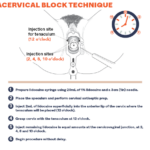
This job aid provides clinicians with step-by-step instructions for performing a paracervical block.


A continuing challenge in ensuring universal access to comprehensive sexual and reproductive health care is the inability of individuals to confidently and safely terminate an unwanted pregnancy. This framework for sustainable abortion care is Ipas’s response to that urgent need. Using a human-centered approach, it identifies steps for program design, action and evaluation—and recognizes that sustainable abortion care is dynamic and requires new thinking, new ways of collaborating and new approaches.

This manual provides guidance to health-care personnel on improving the quality of care available to women seeking uterine evacuation services.

This guide is a resource for future health professionals who want to learn about and engage in abortion issues. Abortion is a critical but often neglected area of women’s rights, women’s health and health science education. The guide was developed for health sciences students—including students in medicine, nursing, midwifery, pharmacology, public health and other related fields—and can be adapted for other audiences too.

This factsheet shares findings from a study conducted by Ipas and the International Federation of Medical Students’ Associations (IFMSA) that finds abortion content is limited or missing in most medical schools in the world.

Recommendations and dosing recommendations for use of prophylactic antibiotics in safe abortion care.
Organized in four parts, this training manual aims to foster an advocacy perspective in health-care providers who are involved in delivering abortion and/or postabortion care. The manual will help providers recognize their personal power as advocates and identify different circumstances and means to advocate for comprehensive abortion care to the full limits of the law.

This illustrated wallchart presents a clear, easy-to-read, 10-step guide to performing uterine evacuation using the Ipas MVA Plus® and Ipas EasyGrip® cannulae.
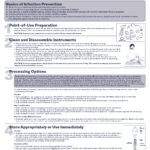
This wallchart outlines the steps for correctly processing and cleaning the Ipas MVA Plus and Ipas EasyGrip cannulae.

Cette boîte à outil est destinée aux défenseurs de l’avortement qui veulent soutenir l’intégration de l’avortement aux programmes d’éducation complète à la sexualité (ECS). Y sont traitées les principaux points à prendre en considération lorsqu’on souhaite défendre l’ECS et des outils sont proposés qui permettent d’aider les défenseurs à développer une stratégie et un plan d’activités adaptés à leur contexte national.