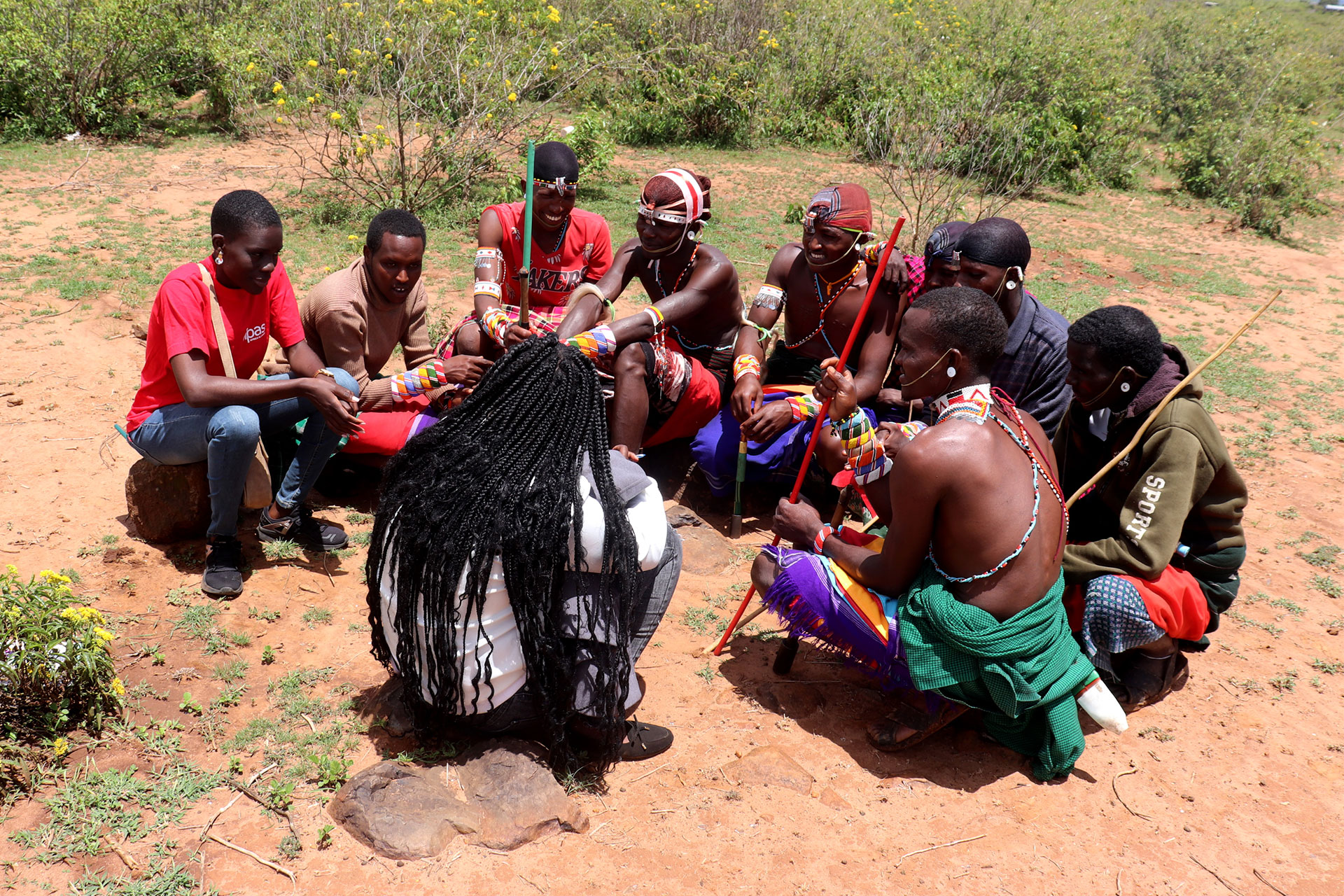




How is your reproductive health impacted by climate change?
We’ve asked hundreds of people around the world this question, as our researchers work to understand exactly how and why climate disasters harm people’s reproductive health—and what we can do about it.
What we’ve learned is that climate change threatens reproductive justice everywhere. Whether in a rural village in Nepal’s mountains or a coastal community in Mozambique, the people most impacted by climate change share similar stories of a greatly diminished ability to control their own reproductive health and to choose when, whether and how to have children.
Here are 3 key impacts we’ve heard over and over again:
1.
Access to abortion and contraception is challenging—or nonexistent—during climate disasters.
People who flee hurriedly during a disaster may forget to bring their contraception. And once displaced, people have a harder time connecting with health-care centers and pharmacies, which are sometimes damaged or destroyed.
“The main concern is whether I will survive or die [during a cyclone]. I don’t even remember to take the [birth control] pill then.”
Woman, age 24, in Bangladesh, where destructive cyclones are increasing
2.
Sexual violence and unwanted pregnancy increase during climate disasters.
Being confined to their homes or a shelter puts women and girls at higher risk for sexual violence and unwanted pregnancy. They face the same risks if they must walk farther to gather food and water during or after a crisis.
“Due to the recent drought that has resulted in complete loss of assets, people migrated and started to live in camps. This has resulted in rape incidents increasing.”
Police officer in Ethiopia, where persistent drought has displaced many
3.
Child marriage is more common in places ravaged by climate change.
Families sink into poverty in the face of repeated climate disasters, and many parents view early marriage as the only way to safeguard their daughter’s future—or put food on the table. Yet early marriage often ends up trapping girls in poverty and abuse, with little ability to prevent pregnancy or make their own reproductive health choices.
“A lot of work has been done, but unfortunately, we still register many cases of premature marriages, where the parents are the main promoters. They use their children as a strategy to alleviate poverty.”
Person in Mozambique, where cyclones have destroyed livelihoods
Ultimately, the climate crisis is a reproductive justice crisis.
Our research in settings around the world shows that climate change undermines the right to have a child, to not have a child, and to parent children in safe and healthy environments.
It’s important we all understand this connection, so we can demand climate-resilient health care that meets people’s essential reproductive health needs—even when disasters strike.
Learn more about our global research findings on climate change and reproductive health.
The time to act is now.
Our research shows that the people most impacted by climate change have solutions—and we must listen. Then we must act.
Ipas works to ensure sexual and reproductive health are integral to climate solutions at every level of society—and that the people most impacted are actively engaged in building climate resilience within their own communities.
See how we’re working with local partners to build women-led climate resilience.