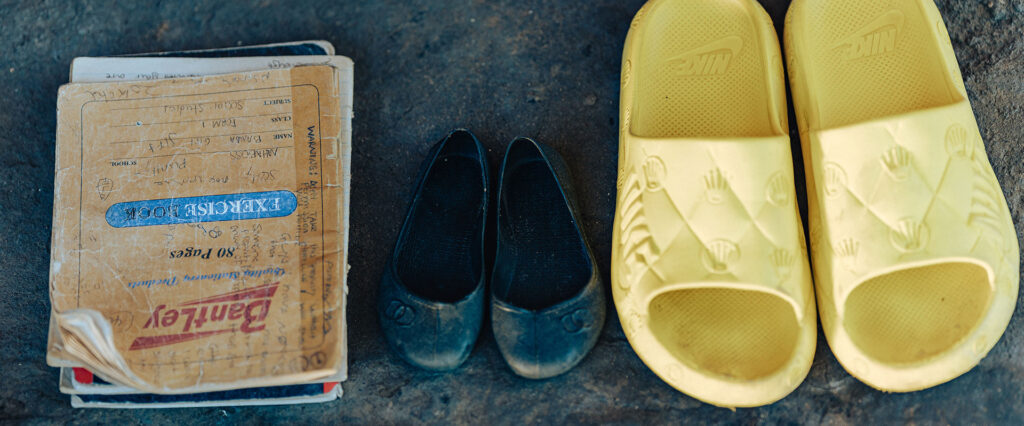




What does it take to show someone’s strength, even in their hardest moments? For Rosa Panggabean, it starts with sensitivity: to local values, to context, and to the deeper forces shaping people’s lives.
Based in Jakarta, Indonesia, Rosa is a documentary photographer with roots in photojournalism. Her work explores identity, human rights, and the environment, always with an eye toward how people endure and adapt. In this conversation, she shares what ethical storytelling looks like in practice, why she was drawn to Ipas’s project on child marriage and school dropout in Indonesia, and what keeps her grounded in a demanding field.
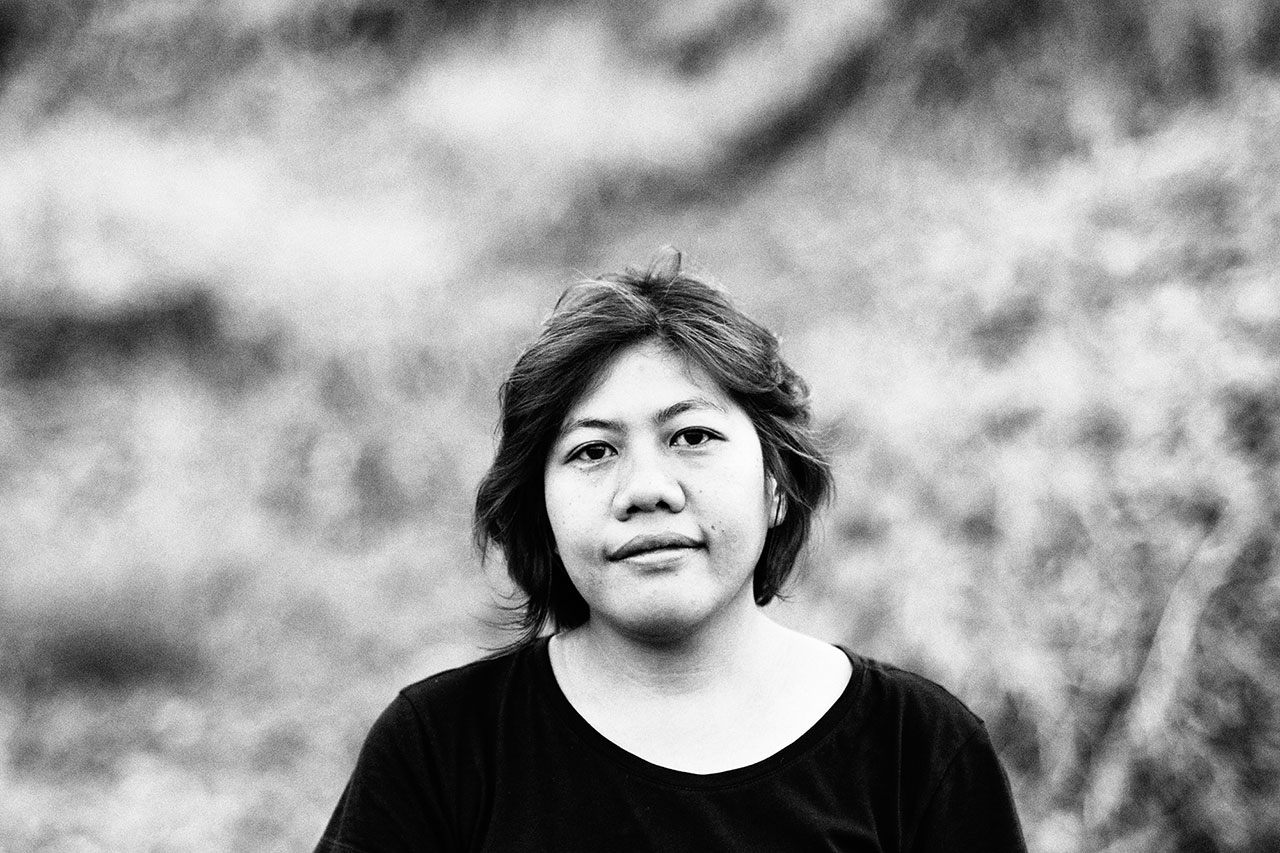
Why did you choose a career in visual journalism?
Basically, I’ve always been drawn to storytelling across different mediums, such as comics, novels, films, and performances. At that time, I joined a community where I met several photojournalists whose dedication and integrity stood out, even in difficult moments. That experience pushed me to learn more about photojournalism, and I eventually realized that photography is the medium that feels most right for me to tell stories.
Your work has explored issues of social change, human rights and the environment. How do you see your role as a journalist and an artist in these important discussions?
I don’t think communication products can create impact on their own. It’s people who carry these works into conversations that can lead to change. As creators and journalists, our role is to bring these issues to the surface so that it’s not only me, but also others who share the same concerns, who can amplify these stories in different spaces. So if we want change, we have to pursue it together.
Why were you interested in Ipas’s proposal to document the interrelated issues of child marriage, teen pregnancy, and school dropout in Indonesia?
This issue is widespread in Indonesia, yet it must be acknowledged that it’s far from popular compared to other political topics in my country. Efforts to address it often collide with social construction that have existed for generations. On a personal level, I also want this issue to receive more attention. Visually, it’s certainly a challenge for me, because the issue itself needs to be present in every frame I make. That’s why I decided to develop a proposal focused on it.
Is there a person from this project that stands out to you? Why?
Aini is certainly someone who stands out: her ability to cope with her circumstances—which I’m sure are also experienced by many girls her age in her region—along with the trauma she carries, the social pressure, and the limited support system around her. At such a young age, Aini has taught me an incredible lesson in resilience.
What does ethical storytelling mean to you?
Ethical storytelling is a way of narrating that gives space to the subjects—from the production process to how their stories appear across different platforms. This includes respecting their rights, recognizing symbols that strengthen their position, and approaching the work not as a saviour but as a guest seeking permission to enter their personal space. In this way, the subjects, with their own local values, have full rights to grant consent or set boundaries with me as the visual storyteller.
How do you capture someone’s strength and resiliency in a situation that can feel so somber?
I know it can be incredibly difficult, but it’s important to stay sensitive to the issues, local values, and traditions. At some point, that sensitivity pushes me to understand the causes and consequences in each case. How we try to make sense of these actions and reactions eventually leads us to look for the reasons someone chooses to endure, to stay resilient, and to find their way out of their challenges. And I think this happens everywhere, in many different forms, with no single formula—and it may even seem illogical if judged only through our own perspective.
What’s something you’d tell your younger self, as you worked to carve a career for yourself, especially as a woman in a male-dominated field?
Stay open to knowledge, to new perspectives, and broader context because those are what connects the visual creator with the audience. Those things might feel distant when you’re just starting out, but they’re what keep a piece of your work relevant. I’d also remind her that as a woman in a male-dominated field, you’ll often have to work twice as hard to be heard. But don’t let that harden you—let it sharpen you. I think I’m quite fortunate that I eventually gained that knowledge through the communities and circles I grew into.
How do you recharge/prevent burnout?
I’ve always loved my work—capturing small fragments of life. But when I’m really exhausted, the best remedy for me is to go to the sea and float in the water for a while. If I don’t have the chance, then taking a day or two to rest, simply spending time with friends, to have some dinner, or singing karaoke helps. What matters most is recognizing when you’re burned out, because if you don’t notice it, you won’t give yourself the pause you need.
What is inspiring you right now?
Activism at every level reminds me that even in a world as chaotic as today, there are always initiatives, whether by individuals or groups, that keep the flame alive and remind us not to lose hope, whatever the circumstances.
What’s the last best thing you tried?
I went to a live music concert again after a long time. It was fun, and I realized that I no longer push myself to run to the front stage. But I can still enjoy the music with the crowd and am still able to see how their fans behave in all kinds of ways. It felt good to be part of the moment without needing to chase it.
Ensuring girls’ futures
A holistic approach to tackling child marriage, teenage pregnancy and school dropout