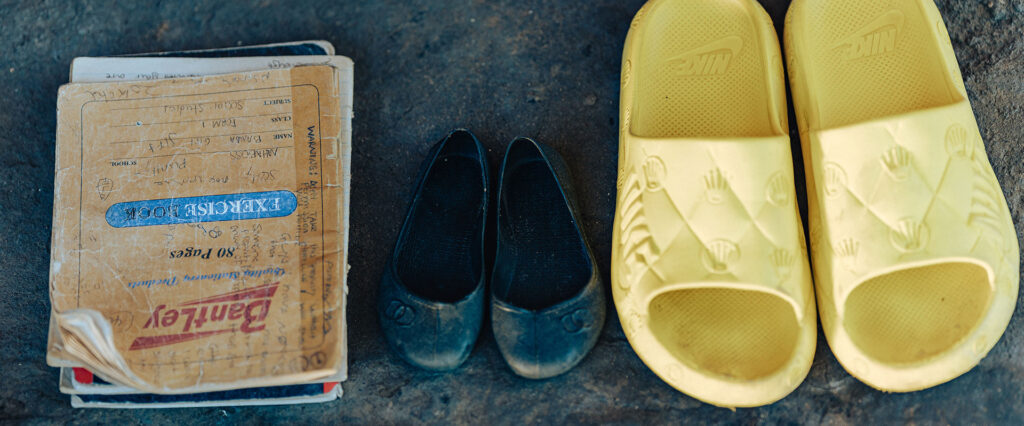




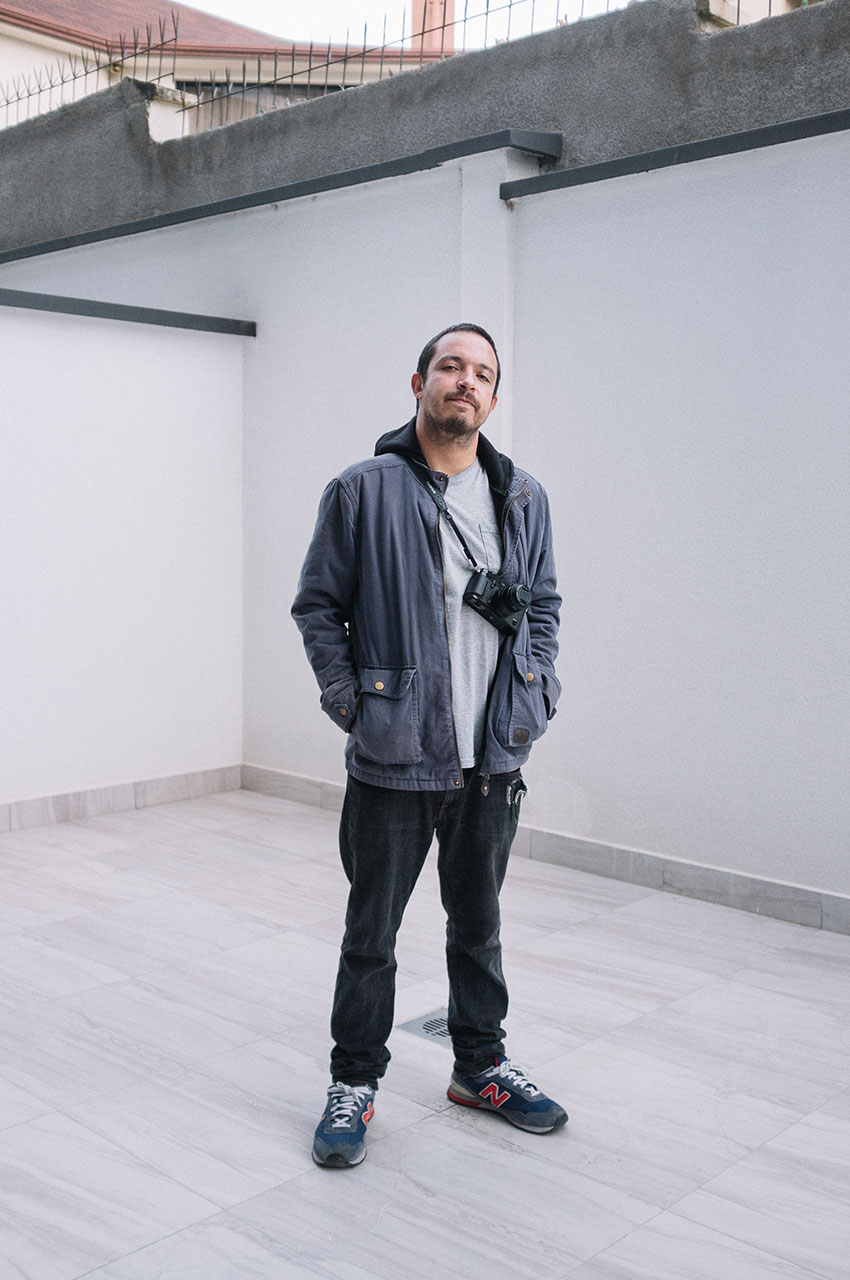
Born and based in La Paz, Bolivia, Manuel Seoane uses photography to show stories that are often overlooked or only partially told. As a photojournalist, he seeks to widen how the world is seen beyond the narrow perspectives that most often define it.
Manuel’s work focuses on environmental and human rights issues, where he understands storytelling as a responsibility rather than a solution. In this conversation, he reflects on why difficult stories must be told even if they cannot change outcomes, how he searches for hope in somber situations, and what documenting girls affected by child marriage and teen pregnancy in Bolivia taught him about the importance of bringing sensitive issues to light.
Why did you choose a career in visual communication?
I believe that photography pushes us to move, to explore, and to reveal what we might otherwise not discover. It also gives us the chance to personally experience what we usually only see through media. I chose to become a photojournalist so I can tell stories that may not reach media otherwise, or stories that may be told only partially. I seek to expand the views of the world, which is way more diverse than the few perspectives who usually define it.
Your work has explored issues of climate change impact and human rights. How do you see your role as a journalist and an artist in these important discussions?
We are experiencing very serious issues in both subjects. As a journalist, I can’t find a more meaningful way of working other than towards exposing such issues as much as possible. We may not change the situation with our work, but we definitely cannot let these stories be untold and possibly forgotten.
Why were you interested in Ipas’s proposal to document the interrelated issues of child marriage, teen pregnancy, and school dropout in Bolivia?
Although I understood it was a very sensitive topic to portray, being a male photographer, it is also a very serious issue in my country, so my will to contribute to bring the topic to public discussion was stronger.
What does ethical storytelling mean to you?
It means to be respectful with the people whose story is being told and to understand our work only as a bridge between them and media. Journalism should always be a collaborative work.
Is there an image or a person from this project that stands out to you? Why?
For me, all the girls I portrayed carry equal weight and importance. All of them suffered in their own particular ways, but each also faced their situations as bravely as they could, trying to overcome them as best as possible.
How do you capture someone’s strength and resiliency in a situation that can feel so somber?
I don’t know, really. Sometimes I imagine how I could see a light if it was me experiencing such a situation, and then I try to find that same light in the other person. It is not easy, though.
What’s something you’d tell your younger self, as you worked to carve a career for yourself?
When you feel someone is in need to tell their story, that is where you should be.
How do you recharge/prevent burnout?
I remember the sun comes up again every morning.
What is inspiring you right now?
It is surprising how life—through hope, community and love—always finds its way to go on, and that every wound eventually heals.
What’s the last best thing you tried? (food, hobby, skill, book, show)
Harvesting fresh amazonian chestnuts (and eating them).
Ensuring girls’ futures
A holistic approach to tackling child marriage, teenage pregnancy and school dropout