







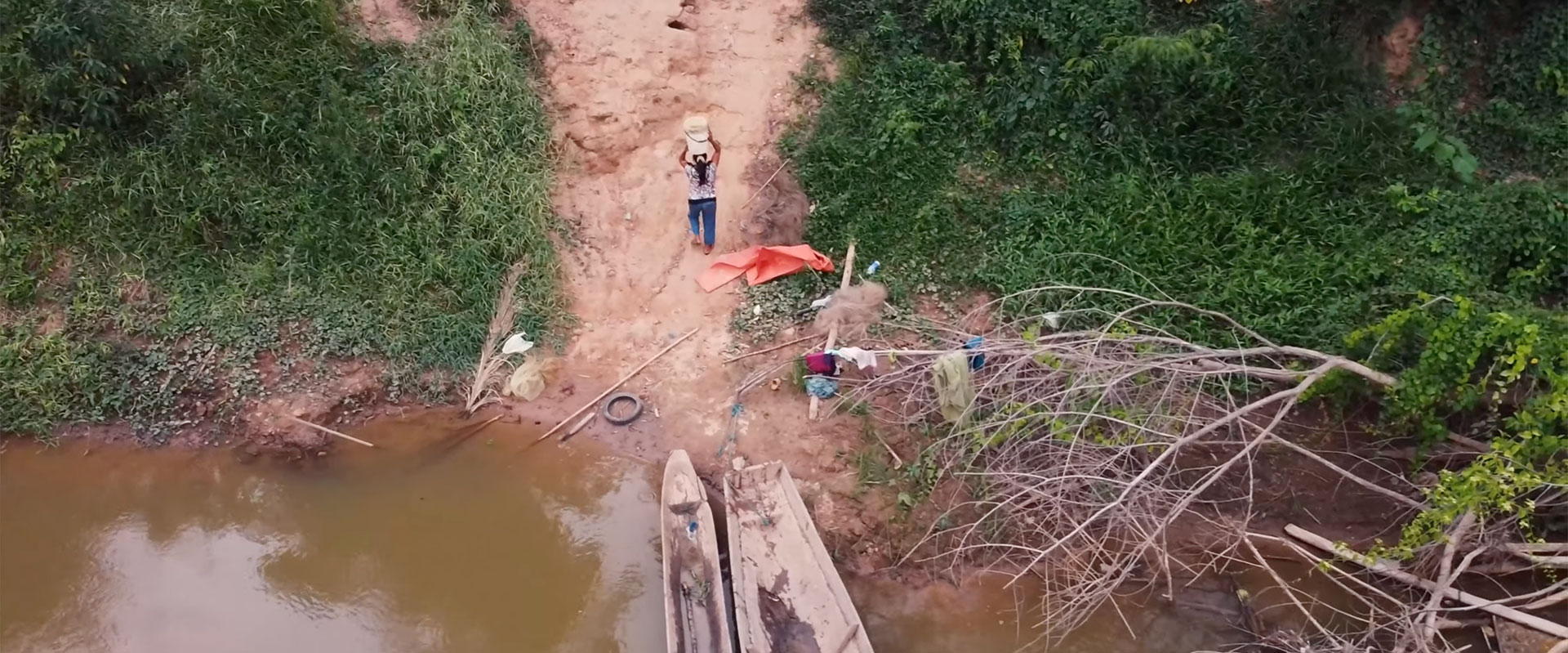
Ipas research with Indigenous communities in Bolivia shows how drought, floods and food insecurity are affecting reproductive health, livelihoods and gender dynamics.
In rural Bolivia, the weather no longer follows the patterns the elders taught.
“You can’t plan anymore. You wait for the rain, you plant, and it doesn’t rain again. The sun is extremely harsh. It’s become quite hard to talk about life in the countryside—it’s just not there anymore.”
Those words came from a Guaraní woman in Bolivia’s Chaco region, in one of eight Indigenous communities across four of the country’s ecological regions where Ipas researchers spent weeks documenting how climate change was impacting daily life. They learned about harvests that no longer come in, water sources that had dried up or been contaminated, and husbands and partners who left to find work in cities.
They spoke with women who shared that these impacts made them hesitate to have children at all.
“Climate change affects a lot—you don’t want to have many children anymore because it’s already costly, sometimes there’s no work… There’s nothing to eat.” – Indigenous woman, Bolivia
From the Aymara women in the high Altiplano, the Quechua women in the valleys, and the Guaraní and Guarayo women in the lowlands, researchers heard the same thing: Climate change is reshaping decisions about pregnancy, contraception, and family—decisions of survival.
“Before, you had lots of children. Before, we used to say it’s God’s blessing. Now they’ve realized, with these climate changes, they don’t want to have children anymore… because you have to think about how to care for them now. Life is expensive.” – Indigenous woman, Bolivia
Explore our climate justice research
Research at a glance
Study type: Qualitative interviews, focus groups, and field observation
Study scope: Eight Indigenous communities across four ecological regions of Bolivia
Participants: Five Indigenous communities (Aymara, Quechua, Guaraní, Tsimané, and Guarayo)
Core finding: Climate change has a direct impact on reproductive decisions, health access, and gender dynamics in rural Indigenous communities. Climate and sexual and reproductive health policies must work together to better support women and their families.
Read the report (Spanish): Cambio climatico y SSR
Across eight communities, four patterns emerged:
1. Climate change is destroying livelihoods and the foundation of daily survival.
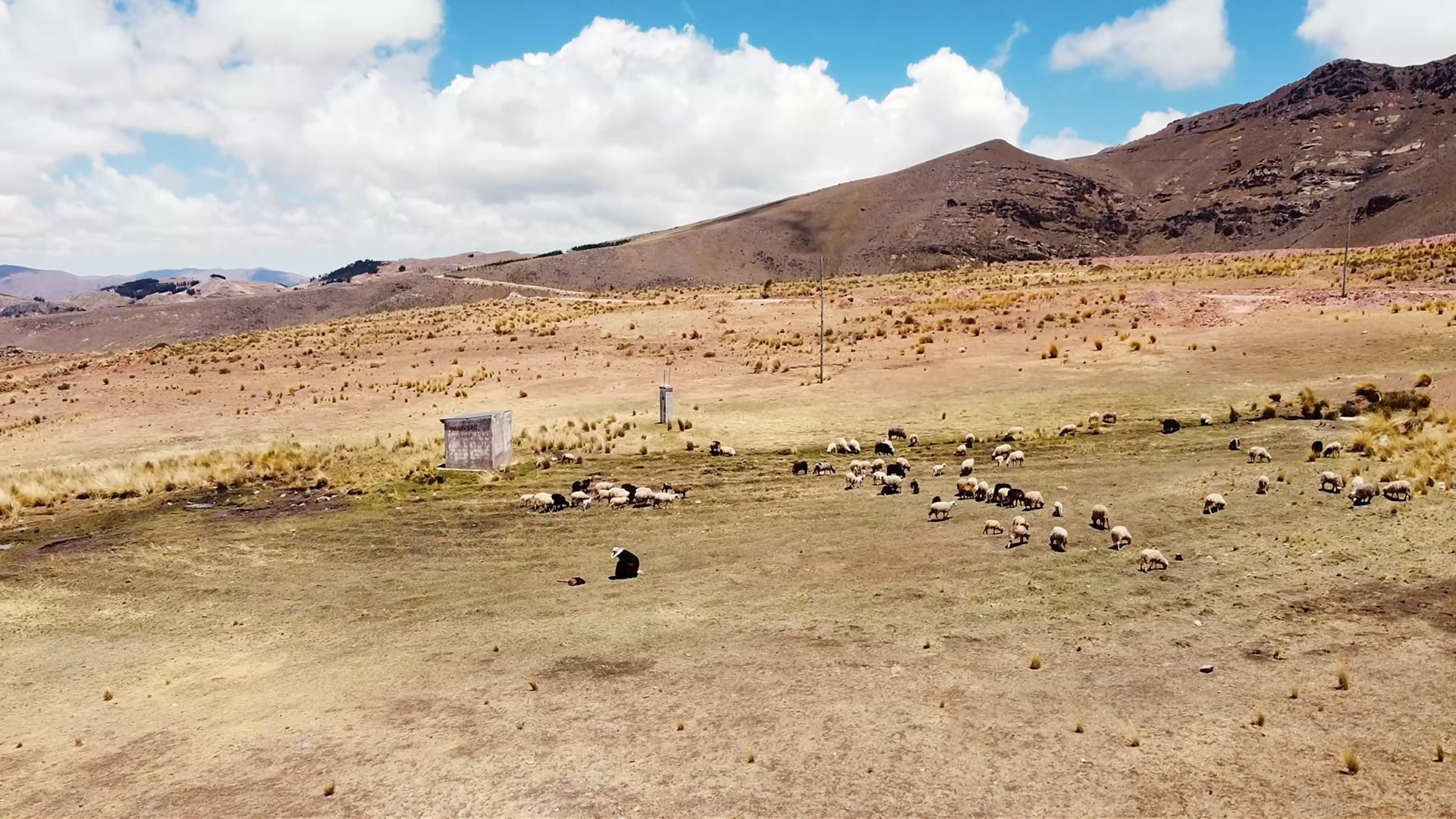
Across all four regions, droughts, erratic rainfall, extreme temperatures, and floods are destabilizing agriculture, livestock, and access to clean water. Traditional crops like potato, oca, and maize are failing. Families are shifting to processed foods, and women blame this change for weaker pregnancies and sicker children.

“Babies now are just weak. It wasn't like that before. Before they ate lagua, tostado, chuño, papa, habitas. Now it's all noodles, rice, crackers.”
— Study participant, Bolivia
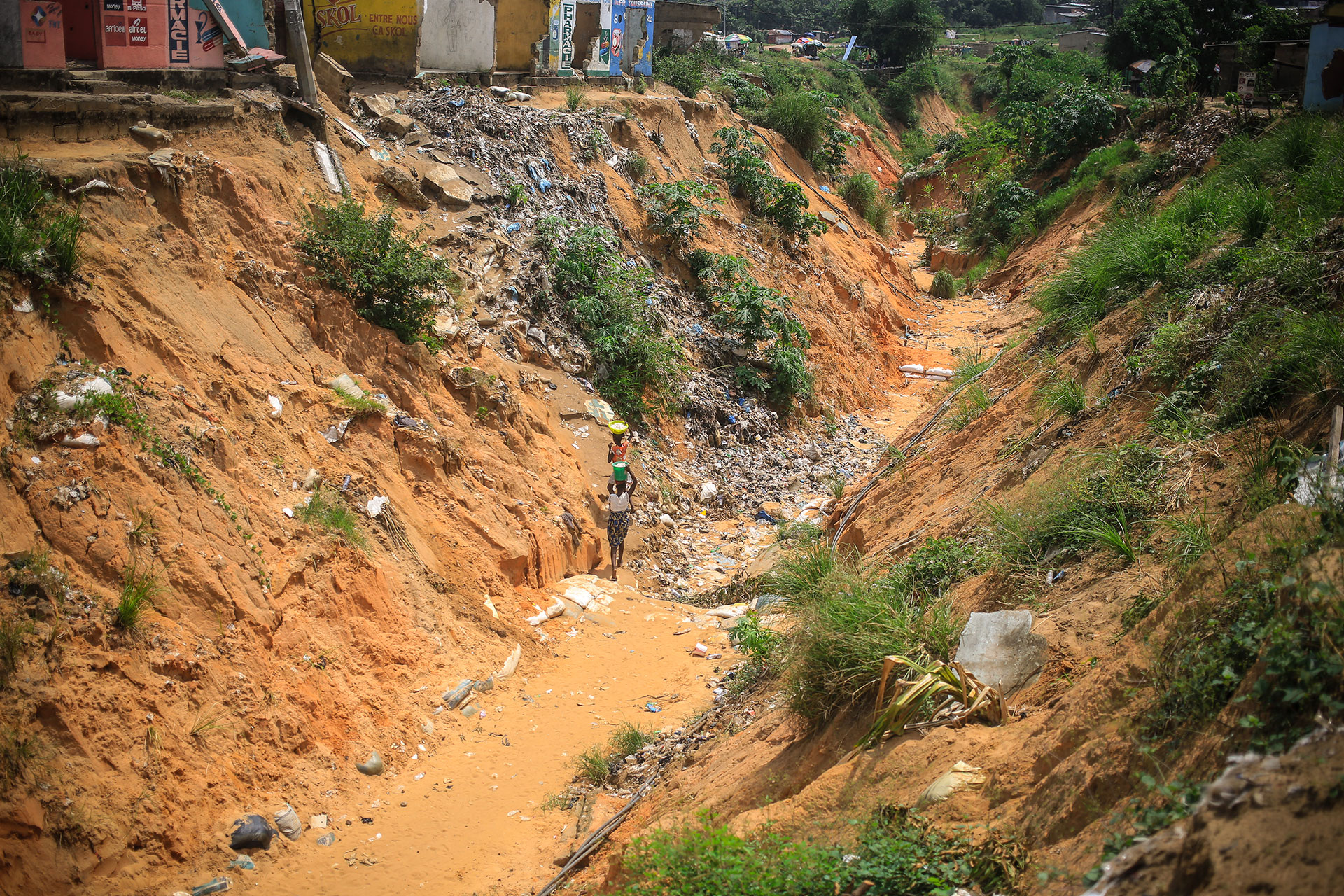
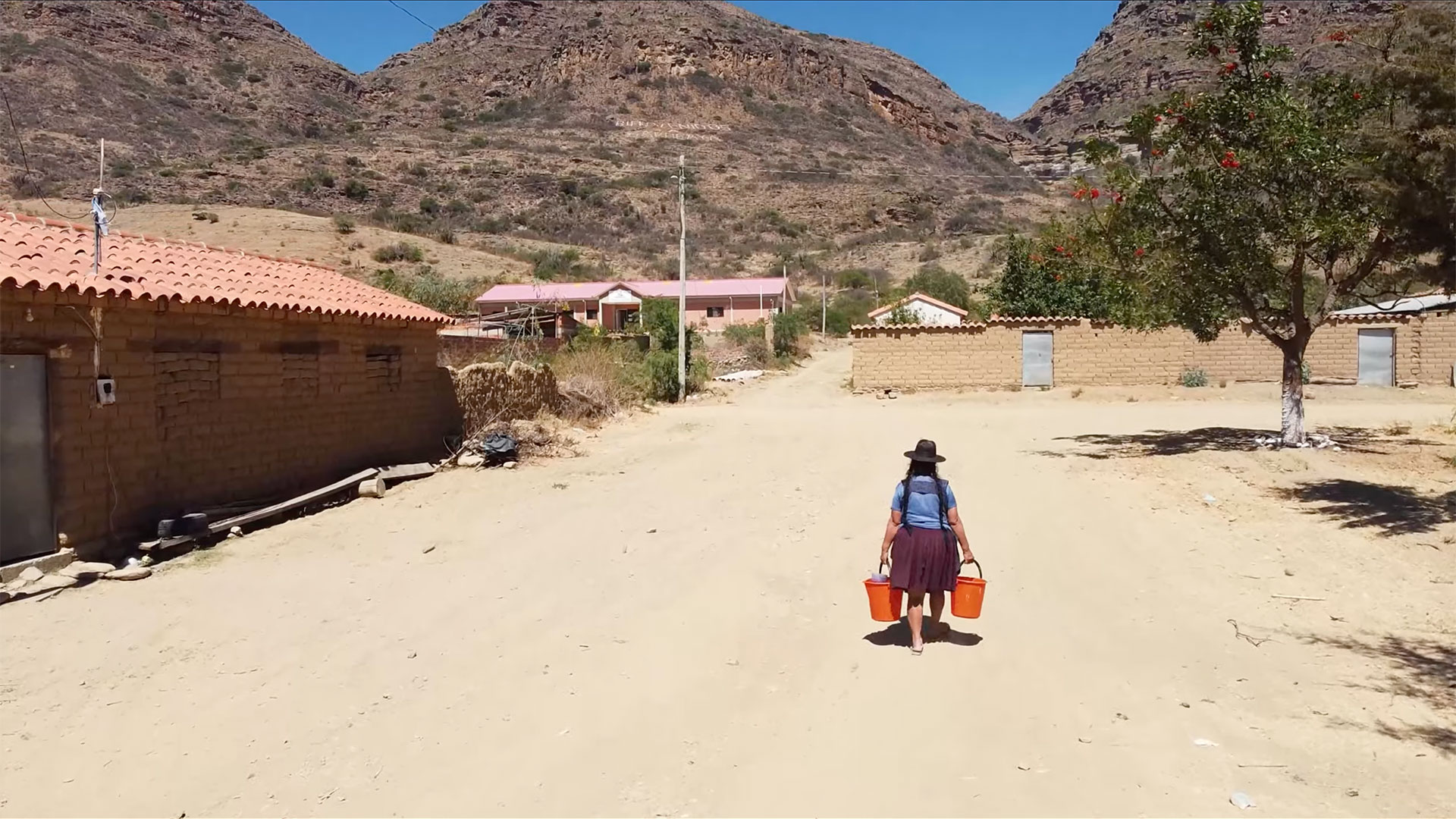
Water scarcity forces women and girls to travel longer distances and ration what they bring home, forced to prioritize cooking before hygiene and drinking before cleaning. In Chaco, droughts last up to eight months. In the Amazon, floods contaminate water sources. In some communities, mining has poisoned rivers, compounding the crisis.
2. Women are choosing fewer children, and challenging cultural norms to do it.
In each of the four regions, women are actively choosing smaller families. The reason is simple: they cannot feed, care for, or secure a future for more. This breaks directly with tradition, as large families were long seen as a blessing and a source of labor. But women, especially younger women, are pushing back.
“The time is no longer right for having children... The woman is the one who takes care not to have children... The change in climate affects having a large family.”
— Study participant, Bolivia
Knowledge of modern contraceptives is widespread, but access depends on cost, distance, partner approval, and trust in available methods. In the highlands, women must negotiate contraceptive use with partners to avoid accusations of infidelity. In the lowlands, floods, supply shortages and discrimination keep care out of reach. Even traditional plant-based methods are becoming less reliable as drought and soil erosion make the plants harder to find.
Ipas researchers describe the tension as women are “breaking cultural conceptions of large families.” The uncertainty about their children’s future, they conclude, is shaping how many children women choose to have.
3. Health access and maternal care are collapsing.
Health centers offer free services—often including abortion and contraception—but frequently lack staff and supplies. Some clinics open only a few hours a week. Language barriers and fear of discrimination keep women away even when services exist.
For pregnant women, the crisis is acute. Traditional postpartum practice calls for a month of rest, but that system is collapsing. With partners migrating to cities, women resume work within days of giving birth and are exposed to what they call sobreparto: complications from returning a postpartum body too quickly to physical strain.
“My mom lost her baby after birth, because the lungs didn't mature, because they didn't eat well, and they have to go wash at the river, go to the Chaco to bring firewood.”
— Study participant, Bolivia
In the Amazon, the study documents a woman who was forced to give birth in a boat because she couldn’t be evacuated by road.
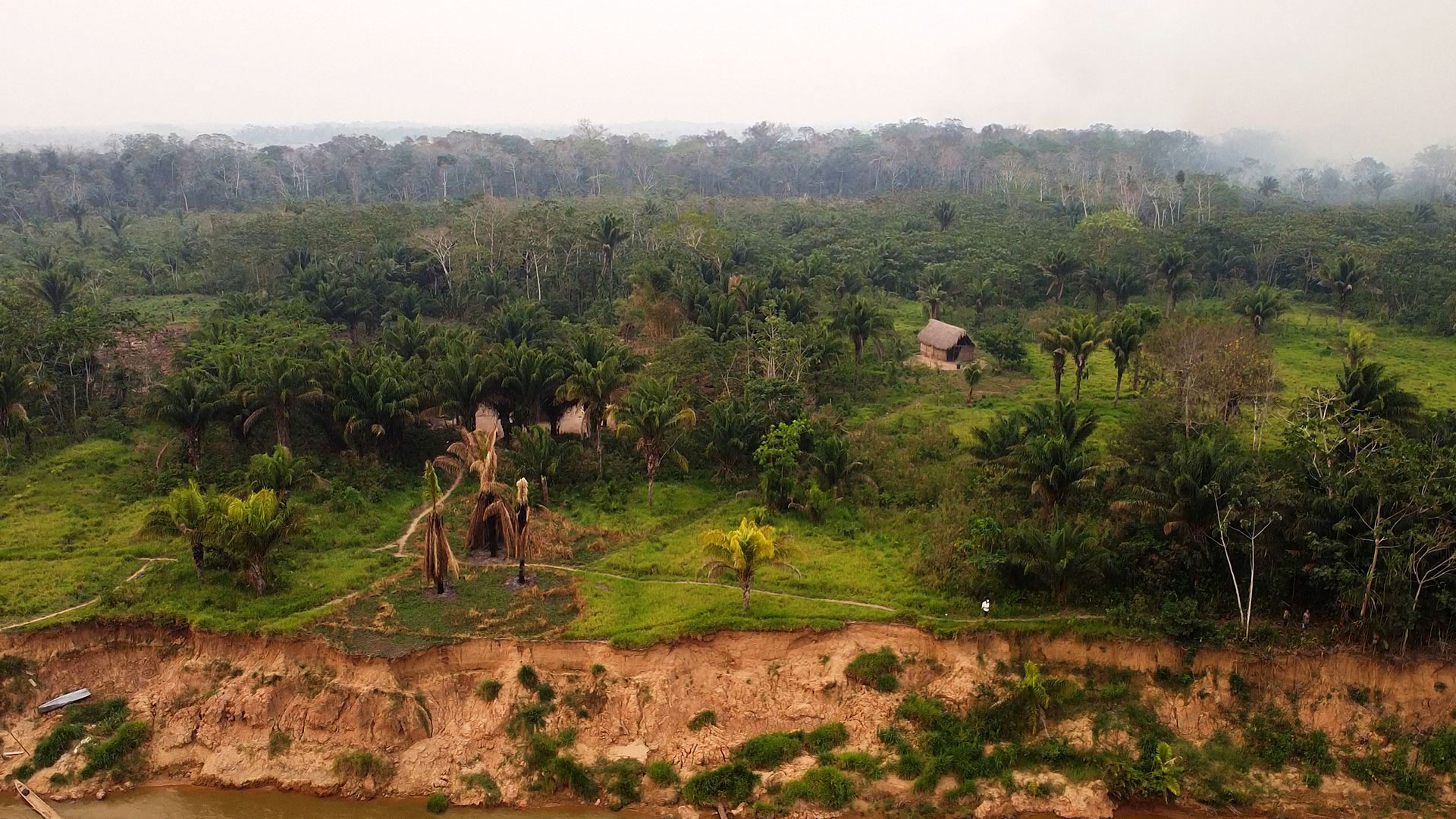
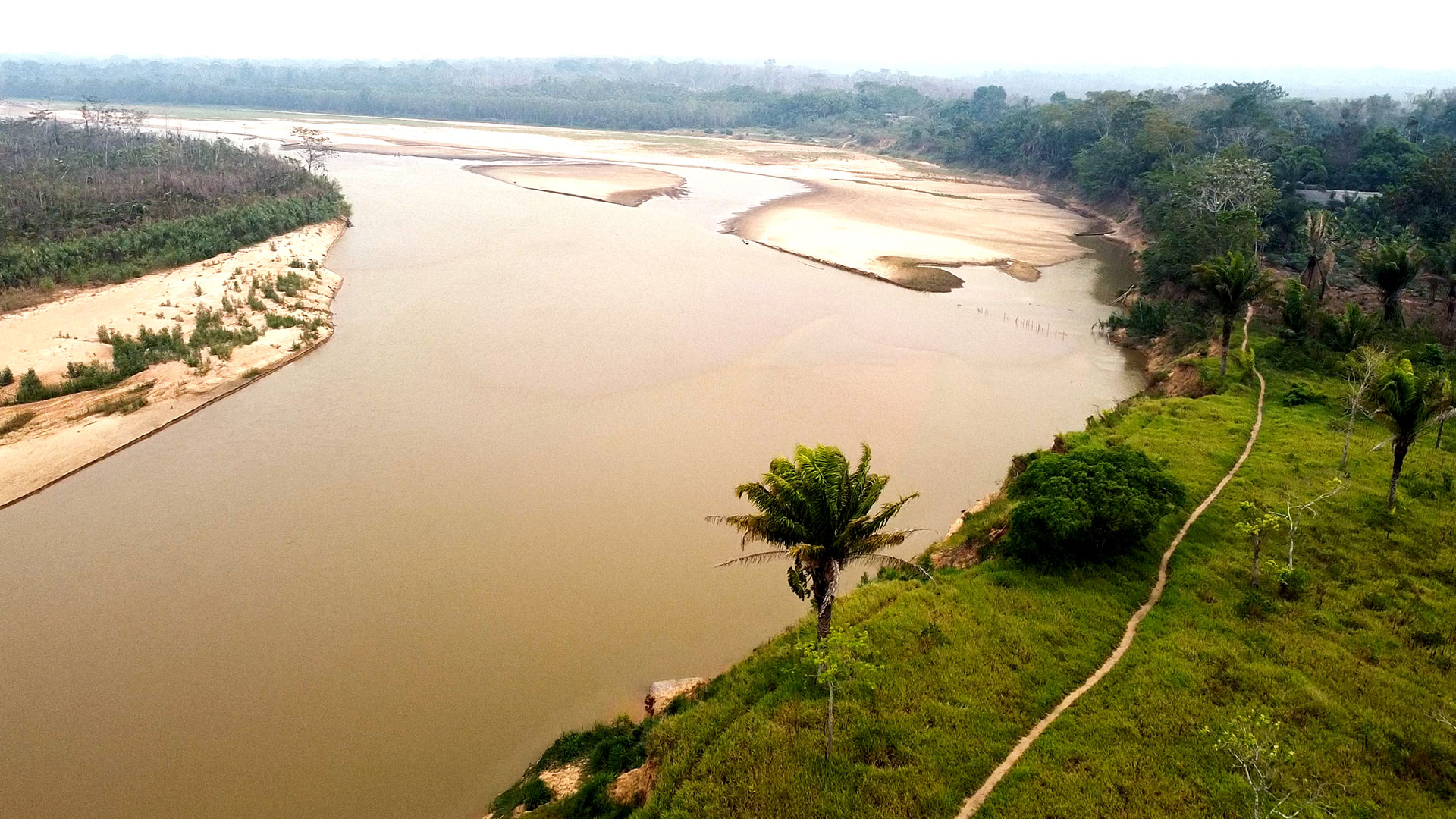
Pictured above: Cosincho Community of the Tsimané Indigenous People, San Borja Municipality, Benin, Bolivia
4. Women face a compounding burden of violence, migration and abortion stigma.
Men are migrating for work due to agricultural failure, which is restructuring households across all regions. Women left behind assume two or three workloads. In the Chaco’s Yaperenda community, many men who once migrated temporarily are no longer coming back. In the highlands, women lack land rights of their own, limiting their autonomy even as their responsibilities multiply.
Gender-based violence is present across all regions and tends to be normalized. Our research doesn’t show that climate change causes this violence directly, but women across regions linked this increase in violence to the economic stress of failing harvests and falling income.
Abortion is a reality for women across all four regions, though surrounded by secrecy. Our study documents both spontaneous abortions (miscarriages) linked to overwork, poor nutrition, and temperature exposure, and induced abortions linked to economic pressure and the desire of young women to continue their education and limit their childbearing.
Insights from the researcher behind this study
Climate researcher Apolinar Contreras explains how Ipas worked with Indigenous communities in Bolivia, what surprised him most, and what the findings reveal about climate change resilience and reproductive health.
The evidence is clear. Now the response must change.
Our findings reveal not only where climate change is undermining reproductive health but where the usual response effort by government is failing, and where it can work.
This study shows that climate adaptation strategies that ignore sexual and reproductive health will fail the people most affected. Embedding reproductive health into climate resilience, rather than treating it as a separate issue, can better protect women’s health and strengthen community resilience to climate change.
Indigenous women are not passive victims of climate change. They are already making difficult, consequential decisions about their bodies, their families, and their futures. What they lack is not agency, but support: reliable health services, clean water, economic alternatives, and real power in the decisions that shape climate adaptation.