


11 ways we made a difference in 2025
For Ipas, 2025 has been a year of resistance and persistence in the face of intensifying threats to reproductive rights, democracy and bodily autonomy.
With our local partners around the world, we have worked tirelessly to expand reproductive freedom. This year alone, Ipas provided lifesaving reproductive health care to almost 2.5 million people at over 10,000 health access points across 24 countries. We also reached millions more with vital information about reproductive health.
Together, we are ensuring that women and girls can control their own futures, especially where governments and systems fail them most.
Here are 11 stories that showcase our resilience and impact in 2025:
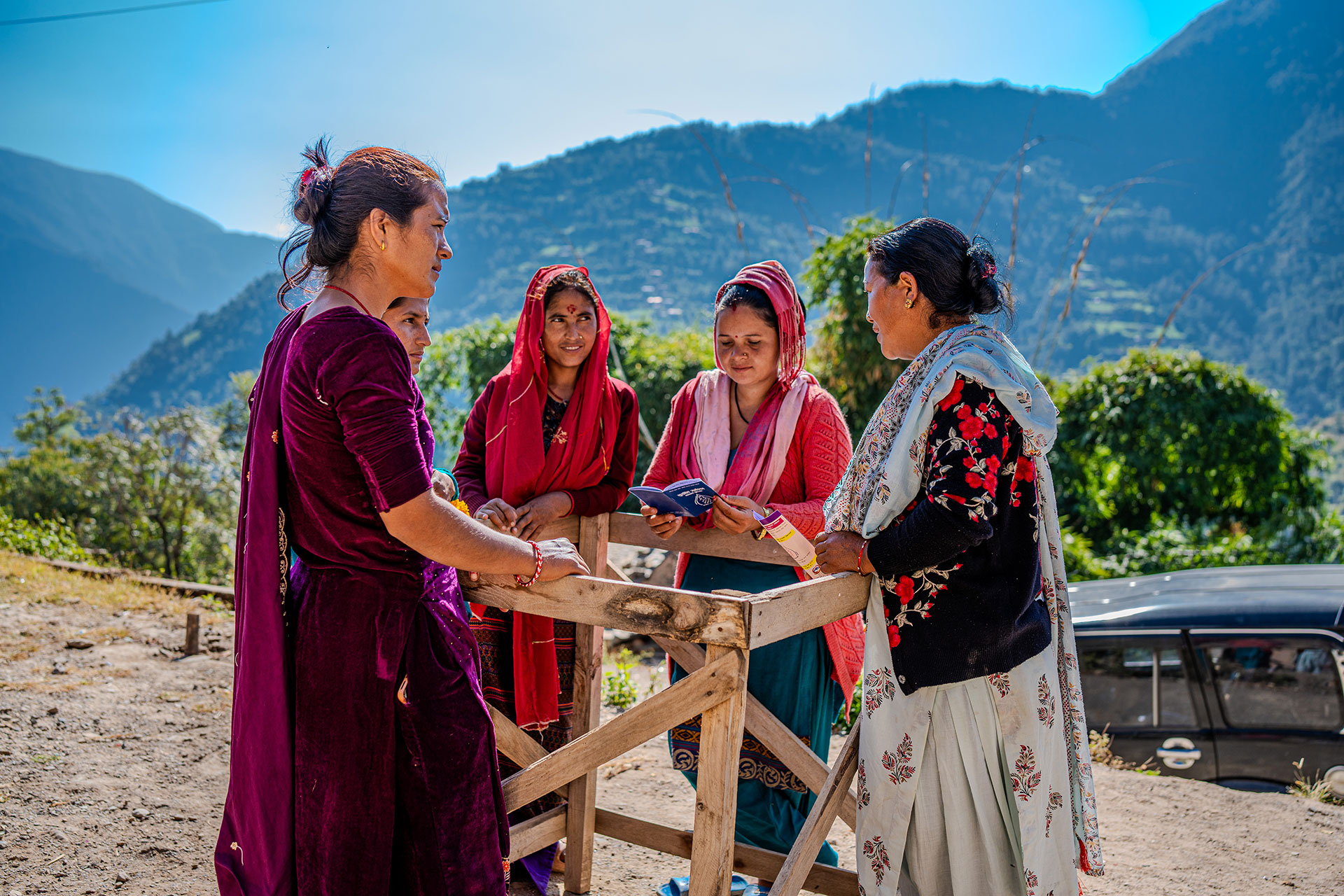
Himali Khatri (at right), a participant in Ipas’s Natural Leaders program in rural Nepal, hands out information on family planning and where to access safe abortion care to women in her community. © Onion Films
1. Women rising together: How grassroots leaders are lifting the next generation in Nepal
Himali Khatri lives in rural Nepal, where discussing sexual and reproductive health is taboo and women rarely have the power to make their own decisions about things like contraception and abortion.
Himali transformed into a respected community leader and health educator through her participation in Ipas’s “Natural Leaders,” a program that supports local women to become a force for change. Natural Leaders like Himali are stopping child marriage, guiding people to safe reproductive health care, and challenging long-held taboos.
“Before, people didn’t even talk about safe abortion,” Himali says. “Now, they ask us to come back and teach more.”

“Before, people didn’t even talk about safe abortion. Now, they ask us to come back and teach more.”

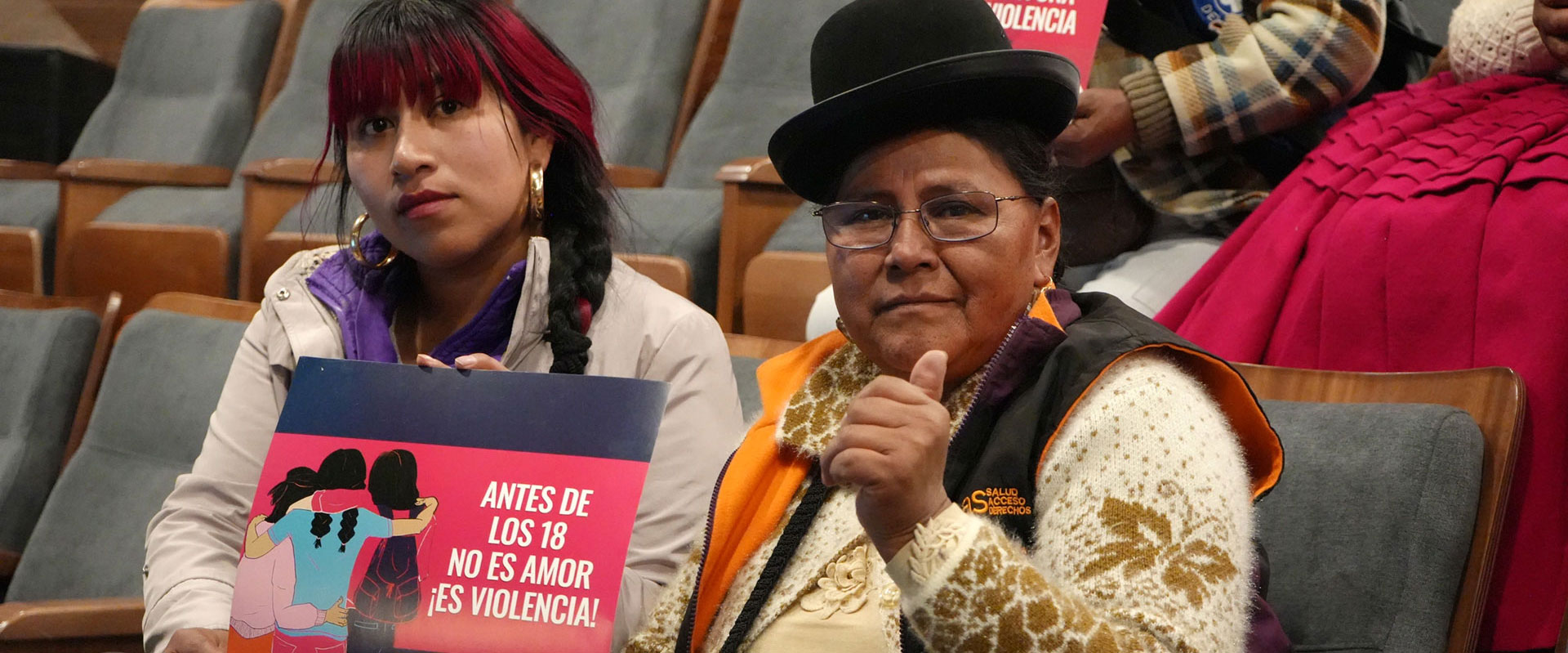
Ipas staff and partners stood in support of a ban on child marriage during a session of Bolivia’s parliament where the law change was debated. They held signs with messaging from a nationwide advocacy campaign: Ni esposas, ni concubinas. Las niñas son niñas. (Neither wives nor concubines. Girls are girls). © Ipas Bolivia
2. Ensuring girls’ futures: Bolivia takes historic step against child marriage
In September 2025, the Bolivian government approved the Law Against Child Marriage and Early Unions, officially prohibiting all marriages under the age of 18.
Senator Virginia Velasco spearheaded the push to change the law, with support from Ipas Bolivia and human rights organizations. This success builds on years of advocacy by Ipas and partners to end child marriage, which is disturbingly common in Bolivia. In 2024, Ipas testimony at a hearing of the Inter-American Commission on Human Rights prompted the Bolivian government to commit to take action to address the country’s child marriage crisis.
“When a girl is married, she loses her childhood,” says Malena Morales, director of Ipas Bolivia. “This law sends a clear message: Girls are neither wives nor concubines.”
“When a girl is married, she loses her childhood. This law sends a clear message: Girls are neither wives nor concubines.”
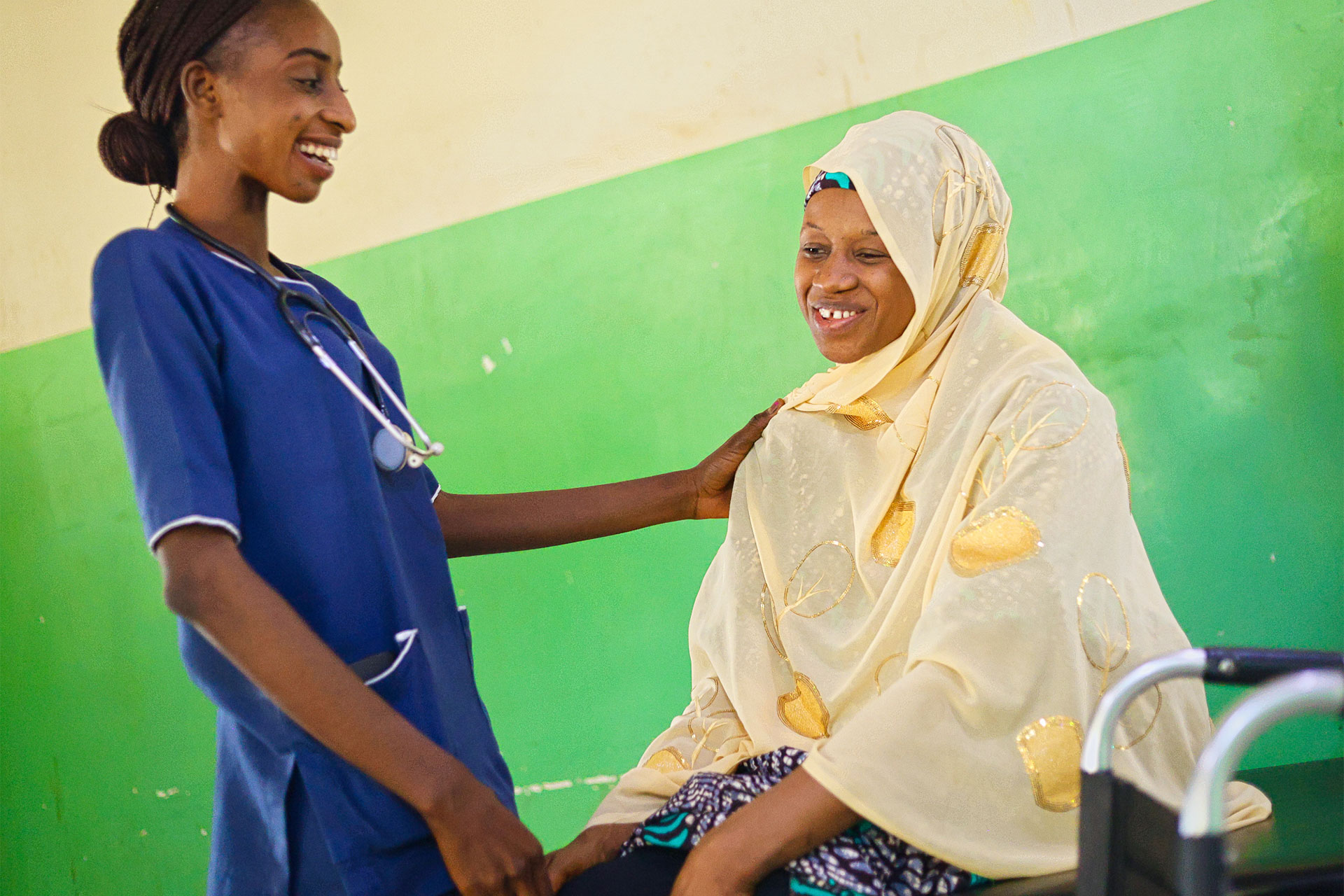
At a Nigerian health center that now provides disability-inclusive reproductive health care, health worker Hannatu Tila takes time to understand Munira Ibrahim Saleh’s disability and how it affects her health concerns. © Ipas Nigeria
3. Advancing disability-inclusive reproductive health care in Nigeria
Munira Ibrahim Saleh is one woman who’s experienced the lifechanging impacts of our work in Nigeria to advance disability-inclusive reproductive health care. Munira works as a program officer for the Joint National Association of Persons with Disabilities—an organization in Gombe State trained in disability-inclusive reproductive health by Ipas and our local partner SAIF Advocacy Foundation.
After three years of trainings and community engagement by SAIF and Ipas, the health-care experiences of people with disabilities in Gombe State are improving. Munira graciously invited us along to a health appointment to show us why inclusive care matters, and you can see photos from that visit in this story.
“We’ve really had a lot of changes. And those barriers and gaps have reduced drastically,” says Munira. “When hospitals know what to do for us, it eases our pain.”
“We’ve really had a lot of changes. And those barriers and gaps have reduced drastically.”
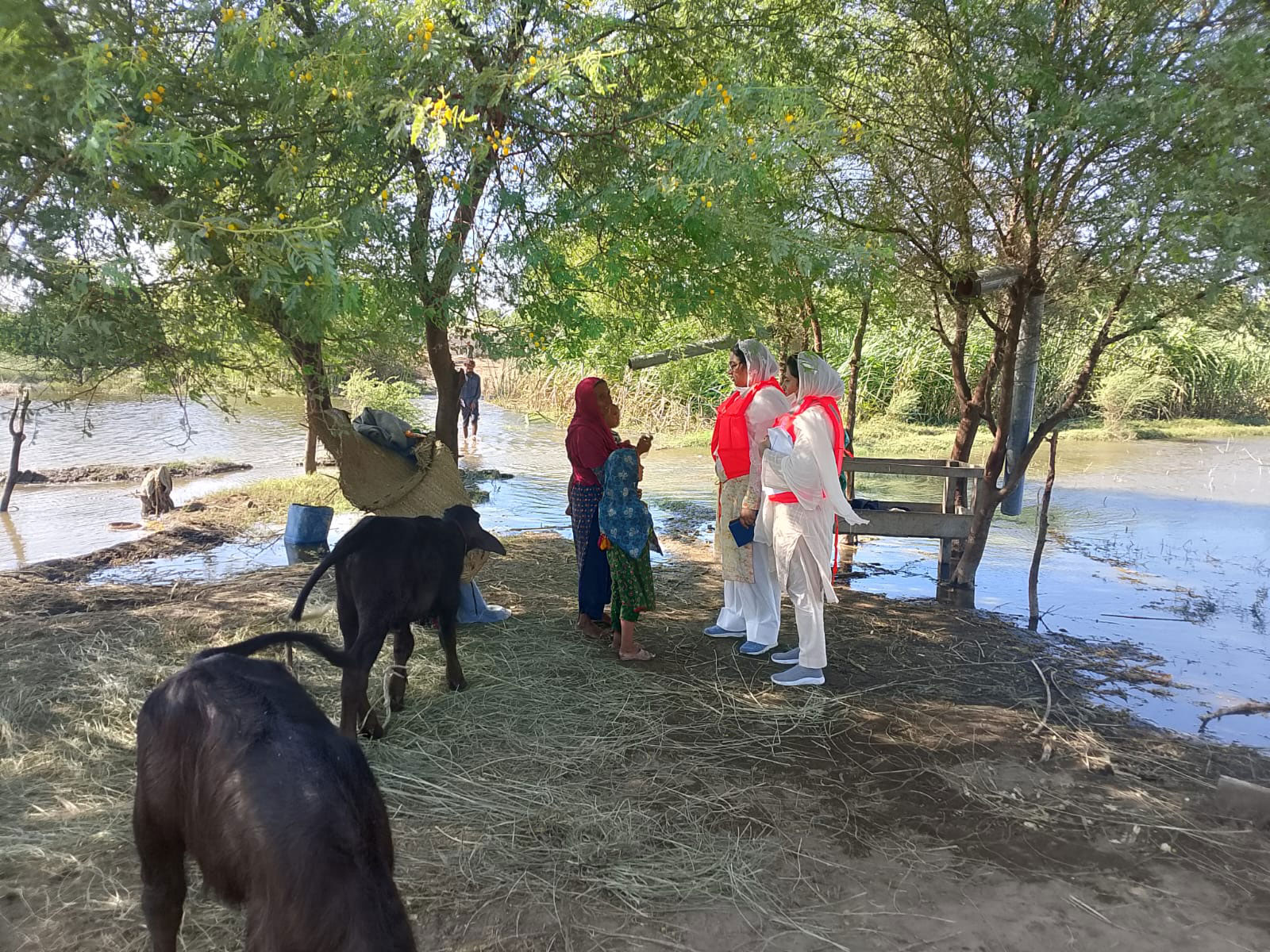
Ipas staff visited flood-affected areas in Pakistan as part of their humanitarian response to address critical reproductive health-care needs. © Ipas Pakistan
4. Ensuring women’s reproductive health doesn’t fall behind when floods rise in Pakistan
Sehrish* lives in Pakistan, where unprecedented flooding during the 2025 monsoon season led to more than 1,000 deaths, thousands injured, and nearly seven million people impacted since June. As the floods raged, seven-month-pregnant Sehrish moved with her family to safety at a camp, but more tragedy awaited. She went into labor and, without transport to a health facility, she delivered a premature baby who died within two hours.
Sehrish’s story reflects the harsh reality faced by countless women in rural and disaster-affected communities—where early pregnancies, poor health, poverty, limited access to services, and the burden of climate-induced crises combine to endanger their health and deepen their suffering. That’s why Ipas Pakistan—in collaboration with its local partner Rahnuma-Family Planning Association of Pakistan—initiated a humanitarian response to address critical reproductive health-care needs.
“Our medical camps provide access to lifesaving essential reproductive health care, including family planning, contraception, postabortion care and maternal and child health services,” says Uzma Shahid, program manager with Ipas Pakistan.
*Name changed to protect her identity.
“Our medical camps provide access to lifesaving essential reproductive health care.”
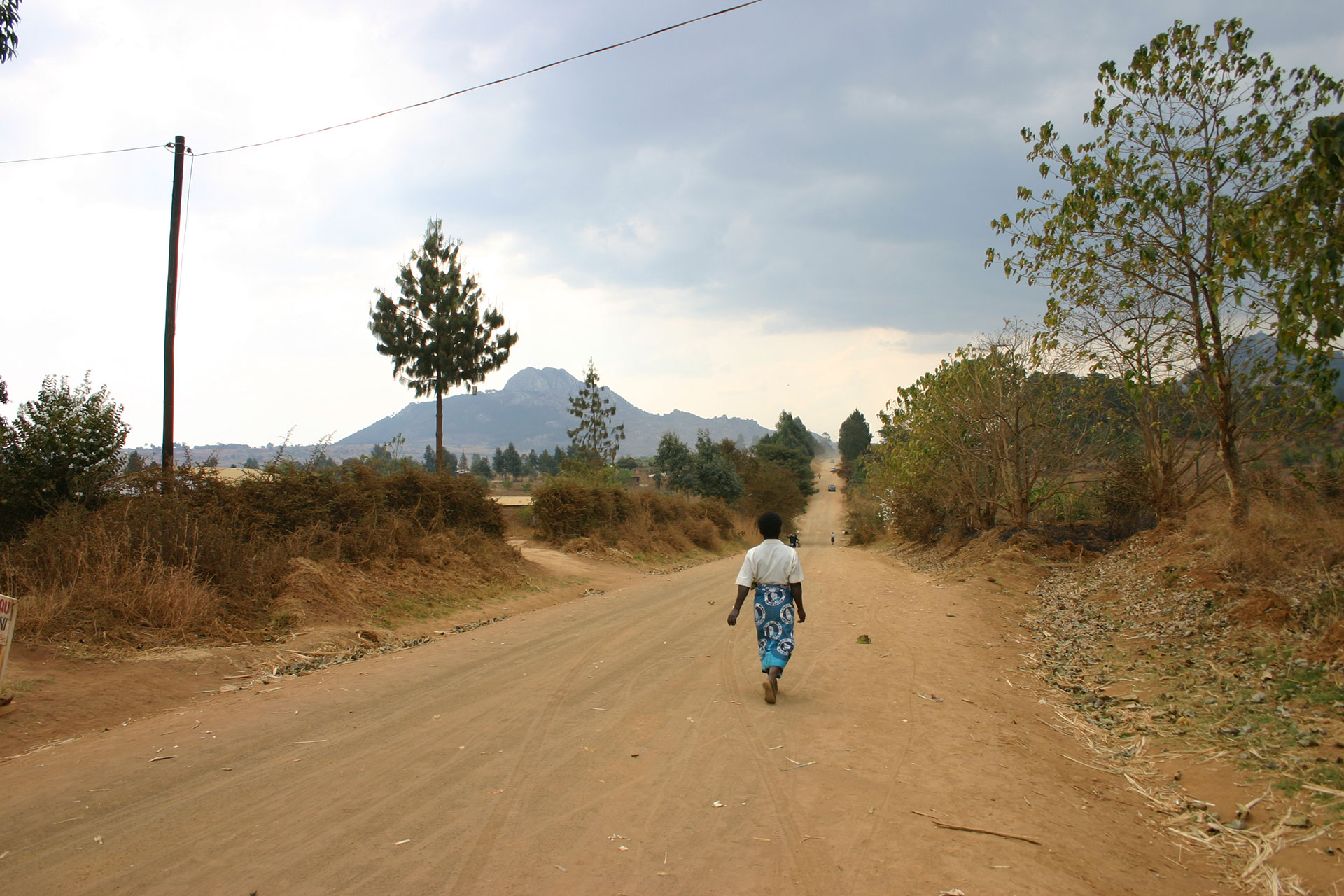
A woman walks down a road in Malawi, where young survivors of sexual violence now have the legal right to access abortion. © iStock/adesparrow
5. Historic win as Malawi approves abortion access for girls who experience sexual violence
In November 2025, the High Court in Malawi ruled that adolescent survivors of sexual violence have the right to access abortion services in both public and private health facilities. Previously, abortion was only legally permitted to save a pregnant person’s life.
This landmark decision was the result of relentless advocacy by Ipas and partner organizations in a country that has one of the most restrictive abortion laws in Africa, despite unsafe abortion accounting for 18% of maternal deaths.
“This ruling is a significant milestone in advancing the health and rights of women and girls in Malawi, specifically on access to safe abortion,” says Felix Chinguwo, senior programs advisor with Ipas Malawi. “It reaffirms that every woman and girl deserves the right to make informed decisions about her access to sexual and reproductive health services without fear, stigma, or risk to her life.”
“This ruling is a significant milestone in advancing the health and rights of women and girls in Malawi, specifically on access to safe abortion.”
6. The most-viewed video about self-managed abortion in Spanish
More and more women around the world are choosing to self-manage an abortion using pills. In Mexico, our team found high demand on YouTube for accurate information on how to use abortion pills.
Their video “Safe Abortion With Misoprostol” has been viewed over seven million times, making it the most-viewed video on the topic in Spanish. Our team also helped build a highly engaging discussion in the comments section, where viewers have shared stories, support and additional resources in more than 50,000 comments.
“The incredible number of views on this video shows just how badly people need accurate, trustworthy information about abortion with pills,” says Naomi Chalá Minda, creative producer with Ipas Latin America and the Caribbean. “Many of the questions in the comments have turned this space into a kind of support network, where people share valuable information and guidance. This interaction has also encouraged many to follow us and reach out through our other platforms, helping more people find safe and reliable abortion-related information”.
“The incredible number of views on this video shows just how badly people need accurate, trustworthy information about abortion with pills.”
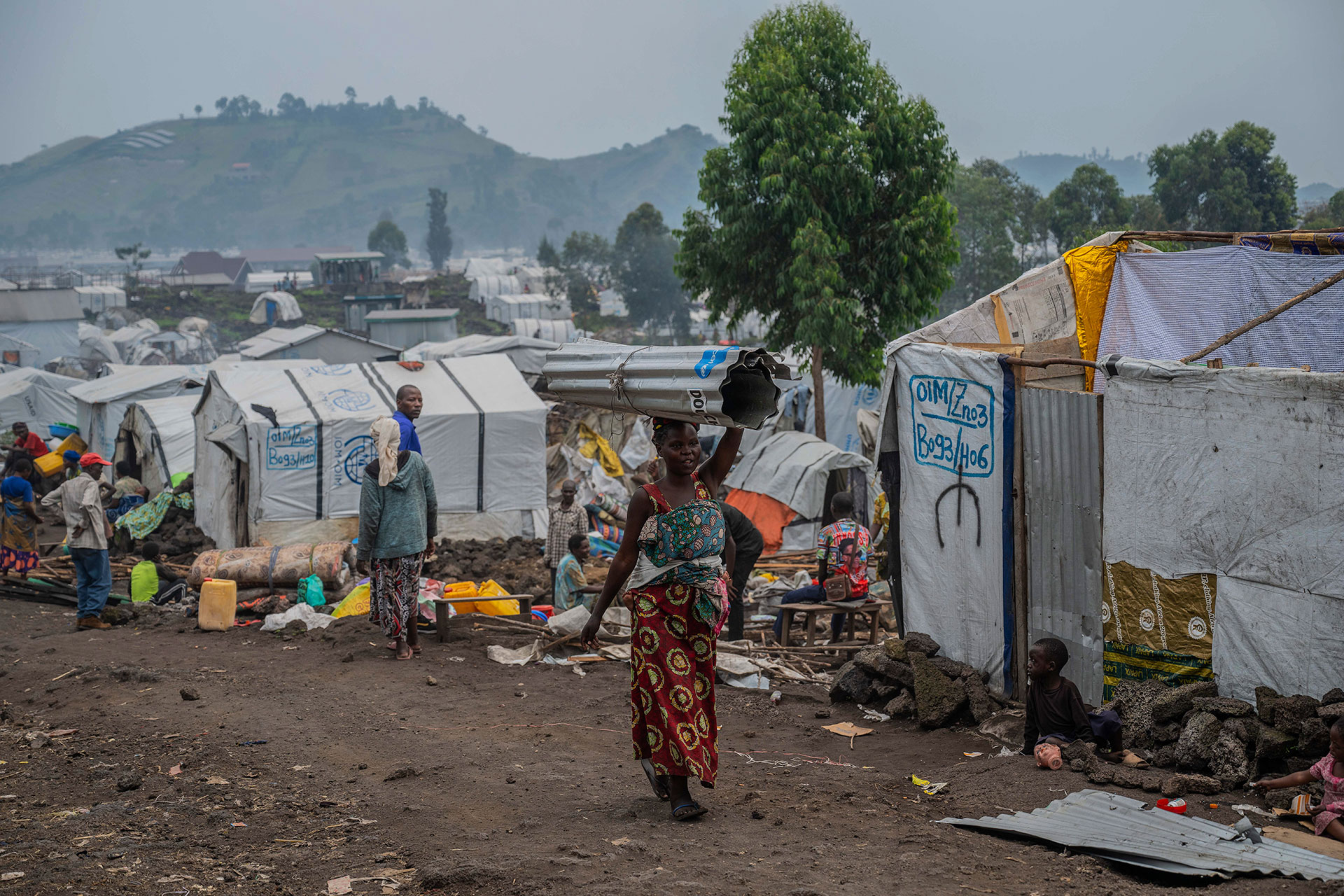
A woman leaves her camp following violent clashes that broke out in Goma, the Democratic Republic of Congo, which left a devastating trail of suffering and destruction. © AP/Moses Sawasawa
7. Providing critical reproductive health care amid escalating violence in the Democratic Republic of Congo
In January 2025, violent clashes broke out in Goma, the capital of the Democratic Republic of Congo (DRC) and North Kivu province, worsening a decades-long conflict and leaving a devastating trail of suffering and destruction.
Throughout the fighting, Ipas DRC has remained committed to providing sexual and reproductive health care to women and girls. Ipas-trained health providers worked 24 hours a day, seven days a week, to provide sexual and reproductive health services, including abortion and family planning, at Ipas-supported health centers and mobile clinics.
“We worked in the mobile clinic from 8:00am to 7:00pm,” says Dusabe Francine, an Ipas-trained nurse who lived in the Bulengo refugee camp and worked in Ipas’s mobile clinic there. “The climate is not good, but the needs are still there, so we try to protect ourselves and the women who are facing violence.”
“We worked in the mobile clinic from 8:00am to 7:00pm. The climate is not good, but the needs are still there, so we try to protect ourselves and the women who are facing violence.”
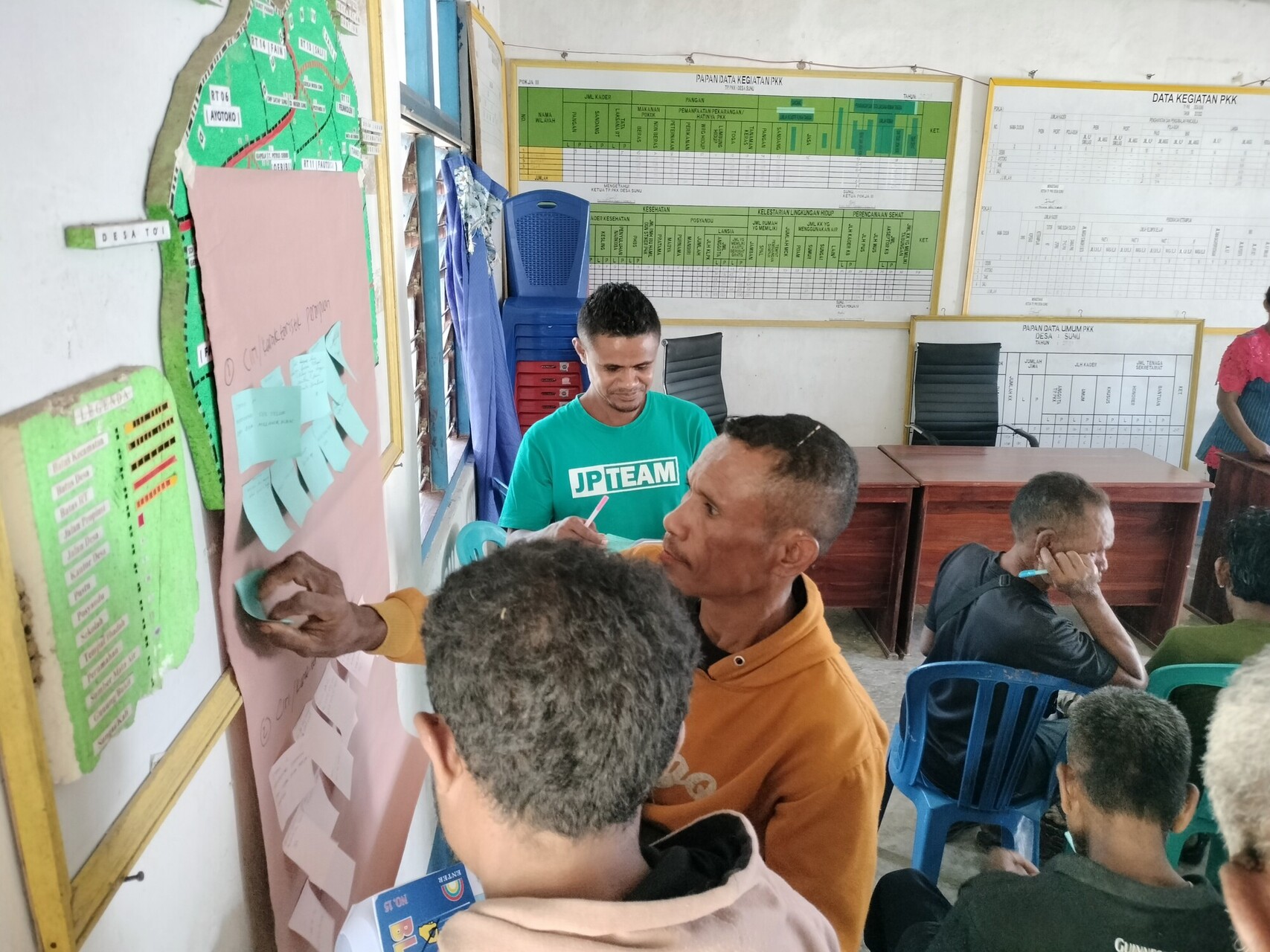
Men discuss contraception in a community dialogue led by Ipas-trained health workers, who educate them about family planning and their important role in supporting women’s reproductive health. © Yayasan CIS Timor
8. Empowering women, involving husbands: Engaging men in family planning in Indonesia
In many parts of eastern Indonesia, deeply rooted patriarchal norms mean that women must seek permission from their husband, and sometimes even their in-laws, before accessing reproductive health services. This cultural dynamic contributes significantly to Indonesia’s high unmet need for family planning.
To address this challenge, Ipas Indonesia, with support from Takeda Pharmaceutical Company Limited’s Global CSR program, launched a project to expand access to family planning in rural parts of East Nusa Tenggara Province. Community dialogues led by Ipas-trained health workers educate men about family planning and their important role in supporting women’s reproductive health. Since its launch two years ago, the project has facilitated discussions in 14 villages, reaching over 1,375 men, including local leaders, religious figures, and husbands.
“At first, many men resisted. They said we shouldn’t interfere with their households,” says Yane Beis, a community health worker involved in the project. “But we kept talking to them by reminding them that it’s the women who carry the pregnancy, who feel the pain of childbirth. Eventually, they listened. Many even began supporting their wives in using contraception.”
“Eventually, they listened. Many even began supporting their wives in using contraception.”
“For me, this training was profoundly meaningful.”
– Medical student in the United States who participated in an Ipas training
9. Training the next generation of abortion providers in the United States.
In the United States, where abortion access is increasingly restricted, Ipas is training current and future health professionals in both abortion care and the important role health providers can play in defending the human right to abortion. Trainings began in early 2025 and the Ipas U.S. team is now gearing up to expand the program and reach thousands of health-care professionals over the next three years.
“As a medical student navigating an ever-changing legal landscape, this training was especially important,” says one training participant. “It not only highlighted the immense complexity of the constraints placed on providers but also reinforced the far-reaching consequences of these laws for both practitioners and patients.”
In any setting, health providers who support abortion rights are crucial to ensure everyone can access care when needed. “Our priority is to promote and protect equitable access to abortion as a human right,” says Maria Elena Pérez, director of Ipas United States.
“Our priority is to promote and protect equitable access to abortion as a human right.”
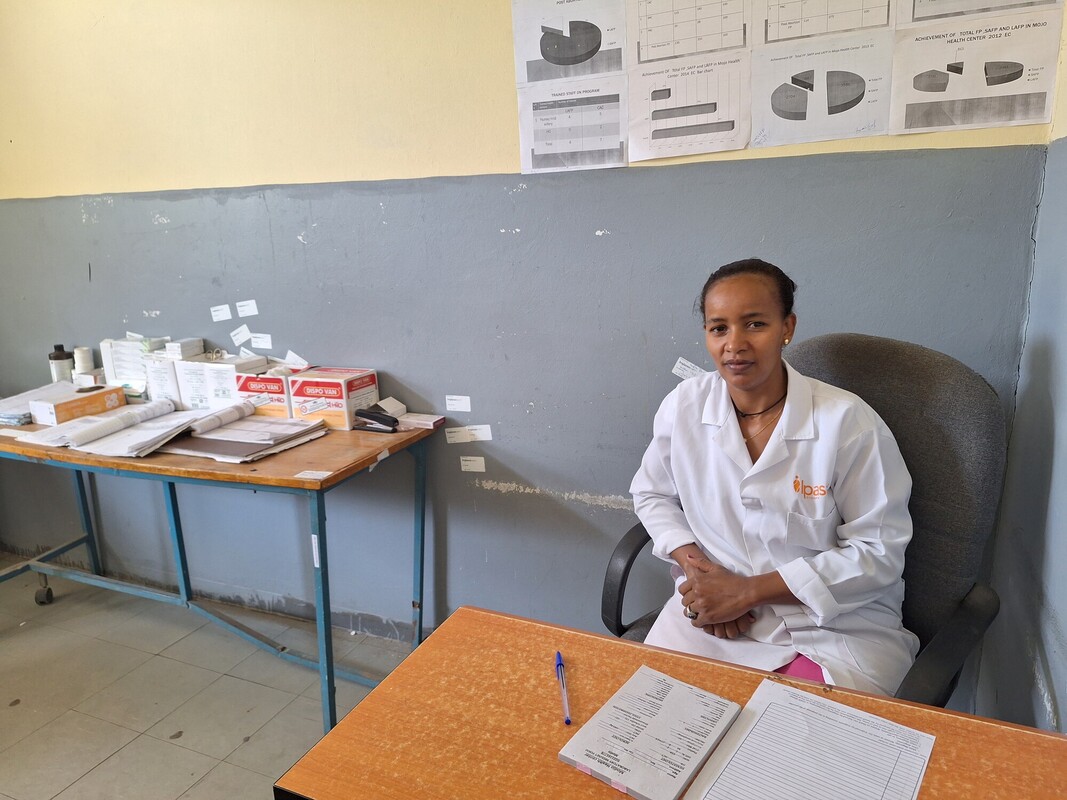
Yilfashewa Beyene, an Ipas-trained nurse and midwife at Modjo Health Center in Oromia, Ethiopia, where Ipas provides training, mentorship and resources to ensure critical reproductive health care remains available. © Ipas Ethiopia
10. Supporting Ethiopian providers to sustain abortion and contraceptive care despite a collapsing health system
Ethiopia’s health system has been under immense strain due to ongoing armed conflict, climate-induced drought, and economic hardship. Compounding these issues, the suspension of over $1 billion in U.S. aid in early 2025—which was vital funding for emergency food assistance, health-care services, and refugee support—has further destabilized an already fragile system.
Yet providers of sexual and reproductive health care know women still need these vital services, no matter the obstacles. Ipas Ethiopia is helping providers and facilities keep going—providing training, mentorship, and resources so that abortion and contraceptive care remain available when and where people need them.
“We are saving lives and providing essential care to young women and communities,” says Yilfashewa Beyene, an Ipas-trained nurse and midwife at Modjo Health Center in Oromia, Ethiopia. “Our focus is on maternal health, particularly for young women aged 15-24. We address [maternal] complications and support women who might otherwise go without care.”
“We are saving lives and providing essential care to young women and communities.”
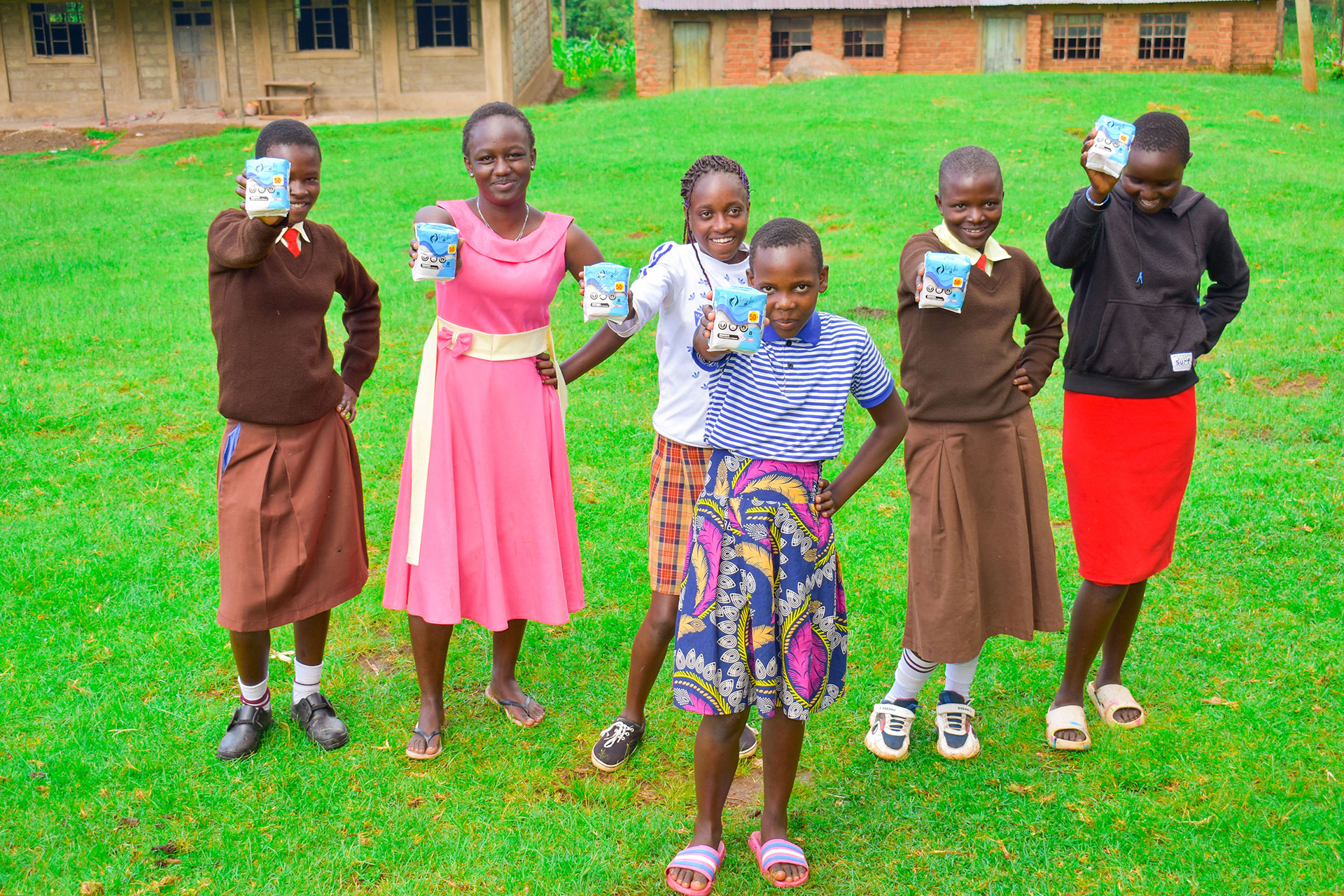
Adolescents who participated in Project EmpowerHer, a sexual and reproductive health and rights training initiative designed to equip teenage girls in rural communities with comprehensive reproductive health information. © Life Lifters Kenya
11. Working to end period poverty in rural Kenya
Period poverty remains a pressing challenge in Kenya, disproportionately affecting teenage girls in rural areas. According to research by the Ministry of Health, 54% of Kenyan girls face challenges accessing menstrual health management products. This crisis derails their education, exposes them to early marriages, and perpetuates the cycle of poverty.
Life Lifters Kenya, a non-governmental organization and grantee of the Ipas Collaborative Fund, is addressing this issue head-on. Through its innovative programs in Nandi and Bungoma counties in western Kenya, the organization is breaking barriers to menstrual hygiene management while equipping girls with critical reproductive health knowledge.
“I have received mentorship and support from the dignity center in my community,” says one adolescent girl. “My friends and I visit the center every month to collect our dignity kits, and it’s such a relief knowing I don’t have to worry if my parents can’t afford them. The center provides them to us for free, and I am so grateful.”
“My friends and I visit the center every month to collect our dignity kits, and it’s such a relief knowing I don’t have to worry if my parents can’t afford them.”
Read more about our impact in 2025