







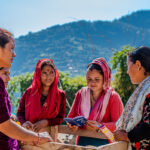
In rural Nepal, women’s lives have often been restricted by silence and unspoken rules. From menstruation taboos to misinformation on family planning and abortion, many young women are taught to accept harmful practices as normal. For years, Himali Khatri did too. “I am almost 40 years old, and until now, I have never received such knowledge about reproductive health,” she says.
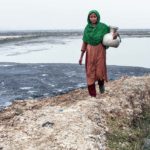
A qualitative study by Ipas Bangladesh reveals how extreme weather events (EWEs) caused by climate change worsen sexual and reproductive health and rights (SRHR) outcomes for women and girls in coastal Bangladesh.
Findings from literature reviews in Côte d’Ivoire, the Democratic Republic of Congo, and Mali
A three-year project by Ipas and partners aims to deepen understanding and evaluate solutions to reduce gender-based violence (GBV) and discrimination in secondary schools in Côte d’Ivoire, the Democratic Republic of Congo (DRC), and Mali.

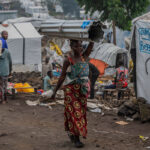
Here’s how Ipas works with local partners and humanitarian organizations to ensure that women and girls in crisis settings can access the sexual and reproductive health care they urgently need.

A new study using mystery clients reveals major gaps in access to abortion with pills in Kinshasa. Only 23% of pharmacies gave correct dosage info—putting people’s health at risk.
The PMAC model has demonstrated clear wins for clients (through personalized care) and the health system (by positioning pharmacies as accessible contraceptive outlets). But the third leg of the triangle – the provider – remains less understood: Can pharmacies profit while delivering these services?
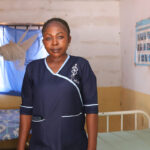
In the aftermath of humanitarian crises, many communities are forced out of their settlements, increasing their vulnerability. In such challenging environments, transactional sex for food is the norm, and consequently, increased instances of rape and forced marriages.
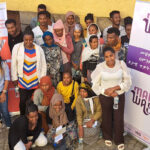
The Make Way Project is a four-year initiative by Ipas Ethiopia and partners to expand access to sexual and reproductive health information and services for young people in Ethiopia—particularly those who have been displaced or who live with disabilities.
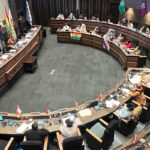
On April 23, the Bolivian Senate approved a bill to eliminate legal exceptions that previously allowed marriage from the age of 16 with parental or judicial authorization. This milestone represents a historic victory for the protection of girls and adolescents against child marriage.