







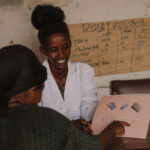
Everyone deserves the freedom to decide whether and when to become pregnant. When people don’t have access to contraception and accurate information on family planning, they have less control over their lives and futures. But of the 923 million people in low- and middle-income countries who want to avoid pregnancy, 218 million lack access to modern contraceptive methods due to barriers like cost, limited services, misinformation, provider bias, and gender inequality.




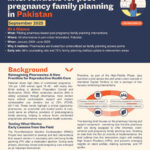
This PMAC learning brief examines the pharmacy training and support aspects of a pilot study in two peri-urban union councils in Islamabad Capital Territory. It highlights how frontline pharmacy staff are trained to provide informed, client-centered post-pregnancy family planning care. Drawing on data from the first six months of the study, the brief showcases how the intervention aligns with High Impact Practices (HIPs), offering insights into client profiles, training effectiveness, and family planning uptake.

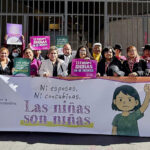
In Sept. 2025, the Bolivian government approved a ban on all marriages under the age of 18. This success builds on years of advocacy by Ipas and partners to end child marriage, which is disturbingly common in Bolivia.
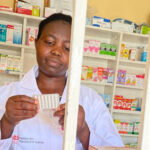
Conducted using data from 401 women receiving abortion with pills at 21 Ipas-supported pharmacies in Nakuru County, Kenya, this study examines what drives contraceptive use after self-managed abortion with pills and shows what missed opportunities persist.

This Ipas study shares the real stories of 313 adolescents in Africa navigating abortion care amid fear, stigma, and limited support.