







In 2012, Ipas undertook an assessment in Bangladesh, India, Nepal and Pakistan to determine the specific needs and gaps in the pre-service education systems for midlevel providers and to identify opportunities, strategies and recommendations for creating more equitable access to safe abortion care. Sources for the pre-service assessment include curricular review; government documents; key informant interviews; reports; assessments of provider performance and training; and site observation visits. The assessment results and recommendations in this report focus on Bangladesh.
This publication highlights the critical role Ipas Nepal has played in the introduction and expansion of safe abortion services in Nepal since 2002, when abortion was decriminalized. Between July 2011 and December 2013, services provided in Ipas intervention facilities averted an estimated 50 maternal deaths, more than 22,000 unsafe abortions, and saved more than $450,000 in direct health-care costs.
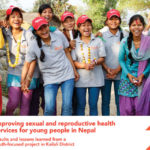
This brief presents results and lessons learned from a youth-focused project in Kailali District implemented between 2012 and 2014. The project demonstrated that, working in consultation with health-care providers and other adults, young people can play a meaningful—even essential—role in improving the quality of sexual and reproductive health services for young people. It also showed that young people, with appropriate training and support, can effectively inform and counsel their peers about sexual and reproductive health and rights, including abortion.
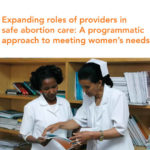
This brief examines the key results from expanding abortion service provision to midlevel providers in 10 Ipas country programs throughout Asia and Africa, including a global analysis of programmatic data from all 10 countries and two case studies (Ethiopia and Bangladesh).
- 1
- 2