






Our audacious vision
We’re accelerating our work globally.
We need you by our side.
For over 50 years, Ipas has been laser-focused on building a world where all women and girls can control their own bodies and futures. We’re proud to share that with significant new support from donors to The Audacious Project, we’re accelerating our work globally in ways that will transform millions of lives.
Our audacious vision
By 2032, we’ll prevent:
16.3 million
unsafe abortions
22.6 million
unintended pregnancies
39,000
maternal deaths
We’ll reduce unsafe abortion by 30% in 10 high-need countries across Sub-Saharan Africa, Asia and Latin America by 2040.
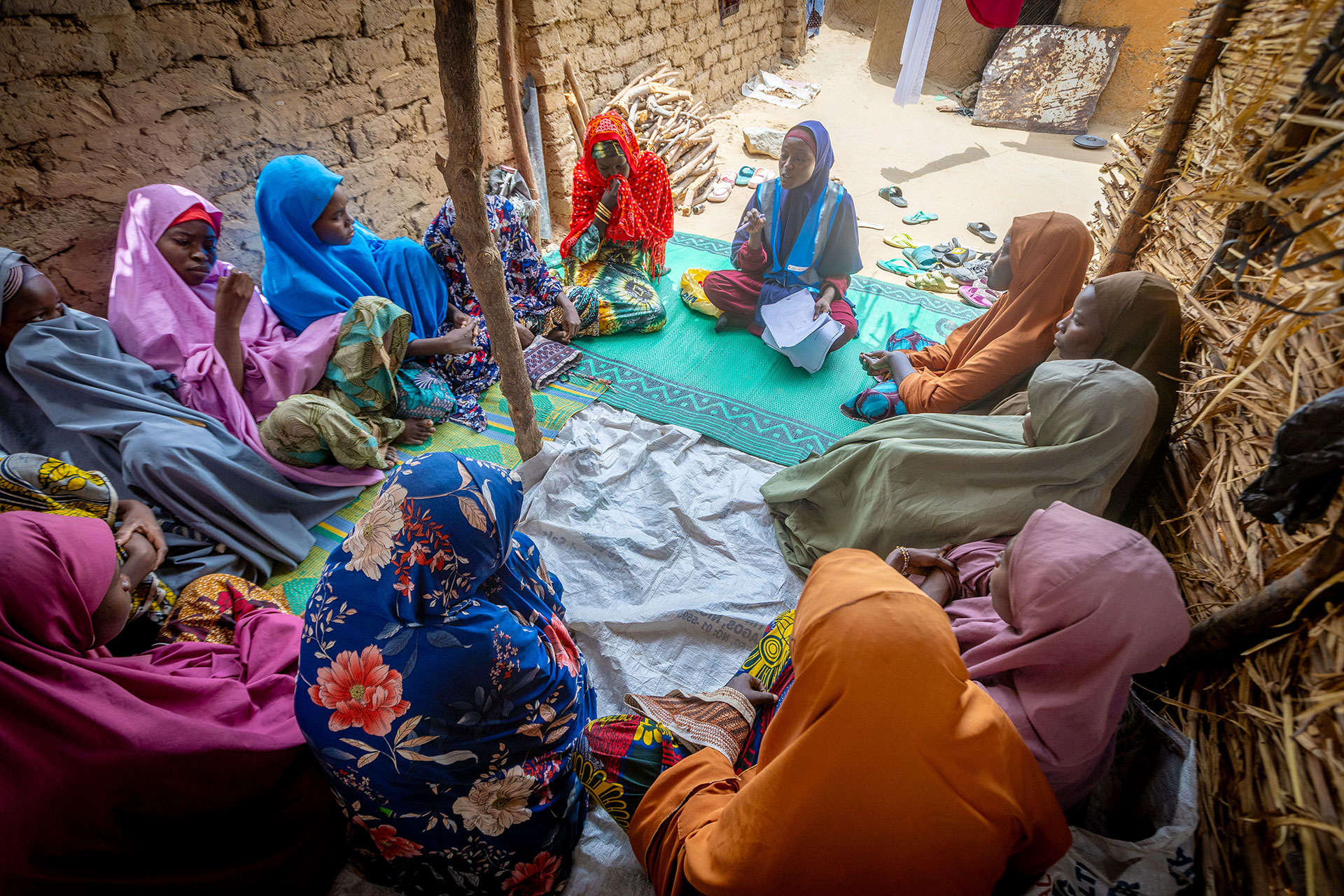
Photo by Ipas Nigeria
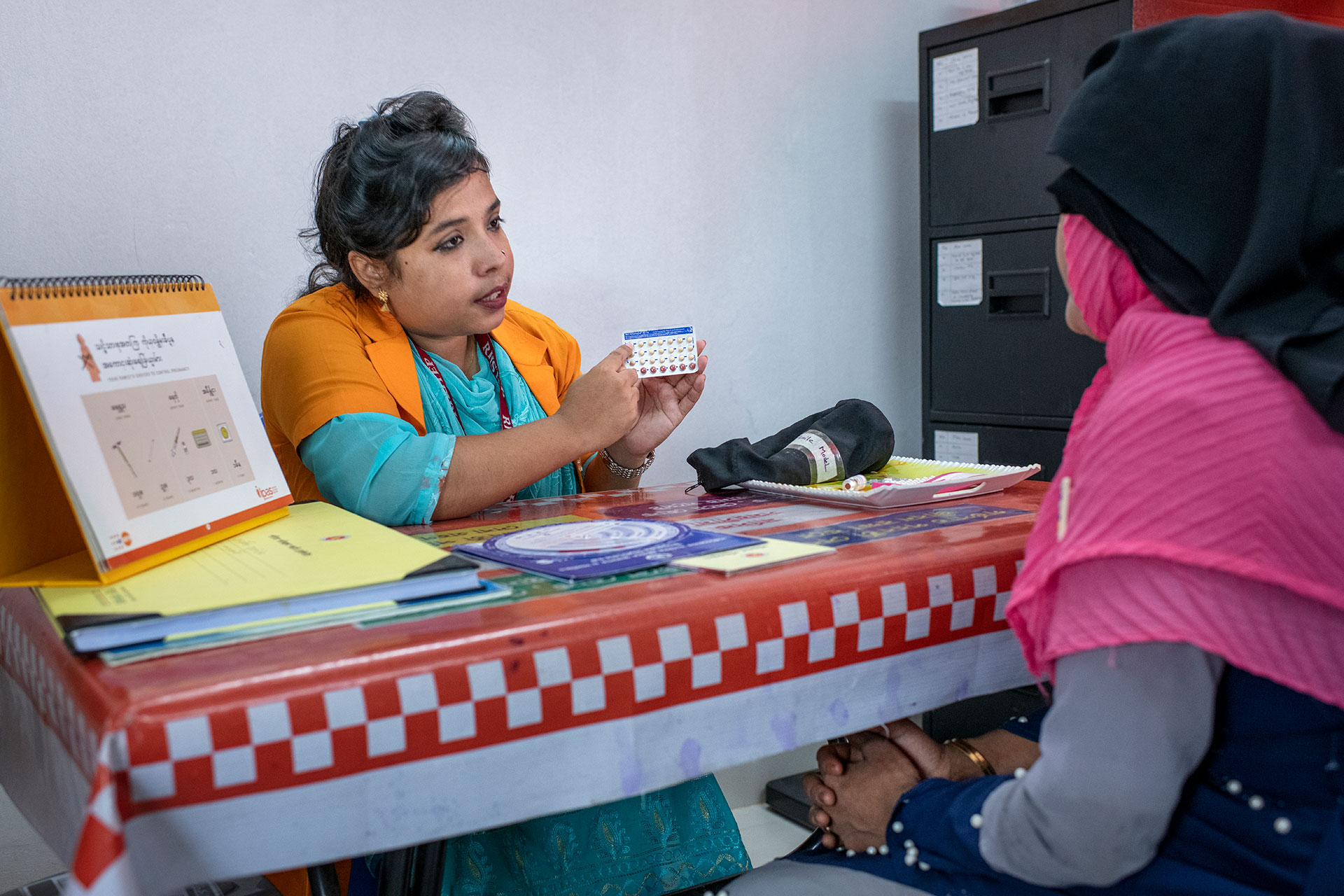
Photo by Fabeha Monir
Our proven approach makes lasting, systemic change
Our approach is locally led but makes systems-level change. And it requires partnership; we aren’t doing this alone. We strengthen and coordinate with existing public health systems and community organizations so that safe abortion and contraception become integrated, sustainable parts of health care.
In each country where we work, we pull at three levers to make abortion accessible:
1. Build pathways to care
We strengthen the pathways a person can take to access safe, high-quality abortion and contraception, including in health centers and self-managed abortion with pills.
2. Advance legal and political support
We advance laws, policies and political will that protect and expand reproductive rights with lasting support from local leaders.
3. Engage communities to shift social norms
We support local groups and community leaders to challenge stigma, expand support for reproductive rights, and build movements for lasting change.
Our approach in action
Our work centers on the women and girls we serve. Here’s how we’re pulling all three levers to make real change in the lives of three individuals.
Bolivia
Yotse
Nepal
Chandra
Nigeria
Munira
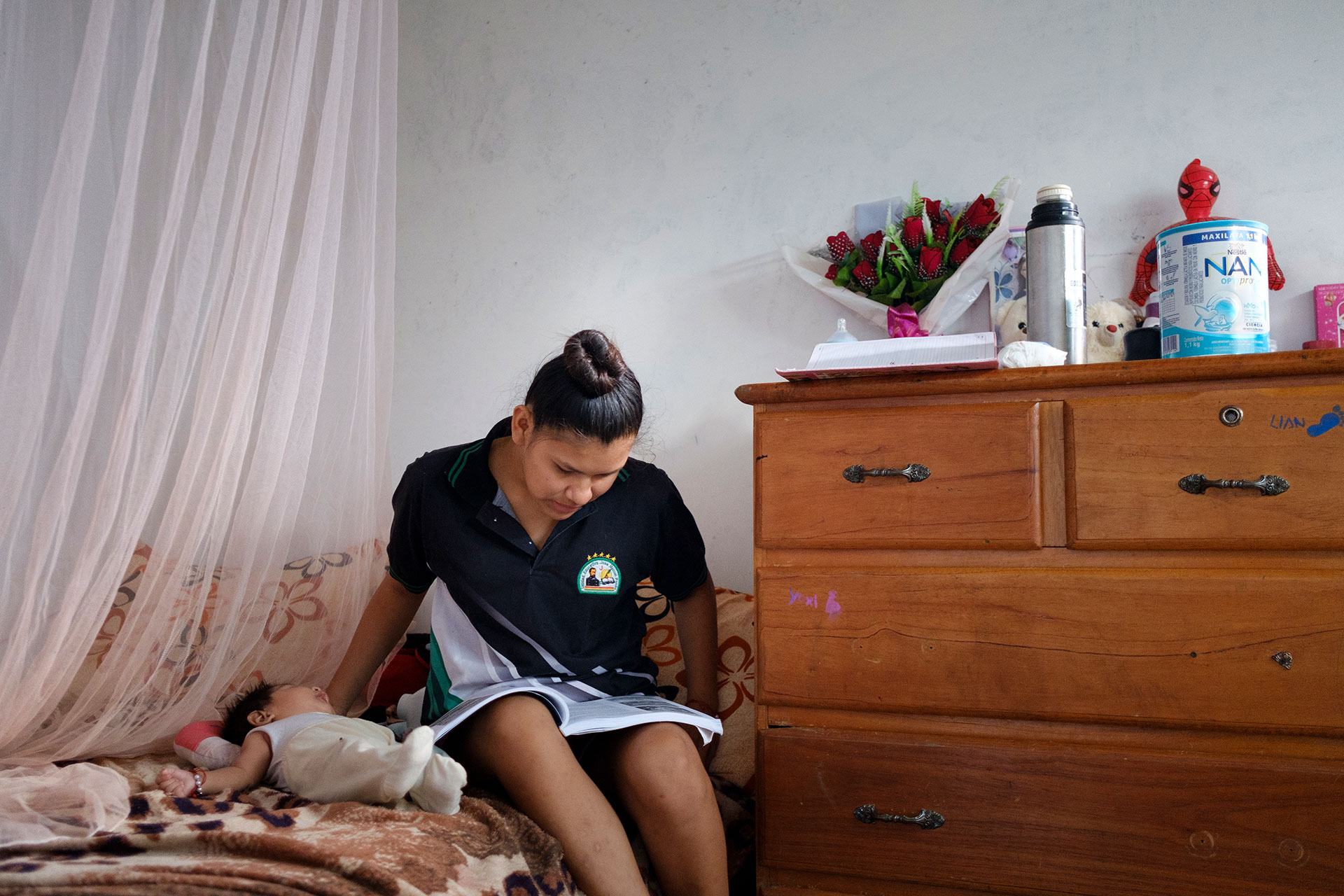
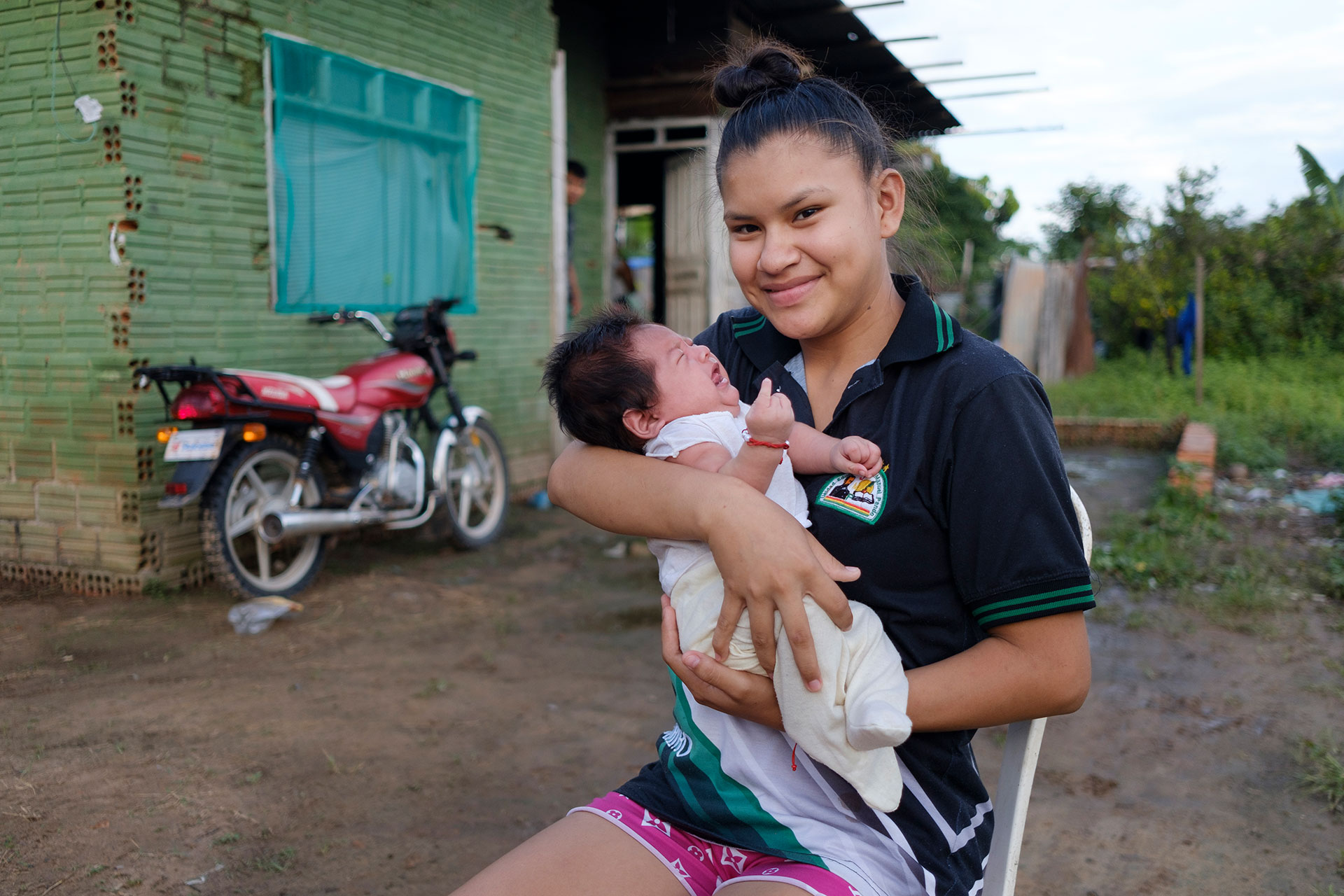
Photo by Manuel Seoane
Yotse
Yotse is 15 years old and lives in a rural part of Bolivia. She became pregnant while in high school but is determined to pursue a career. Now she’s back in school while also caring for her infant son.
Her case is not unique. Over 32,000 teenagers in Bolivia became pregnant in 2023 alone. Many end up dropping out of school and forced into early marriages that trap them in poverty and abuse.

“I want to study. I want to be someone in life.”
Yotse and girls like her need:
1. Pathways to respectful care
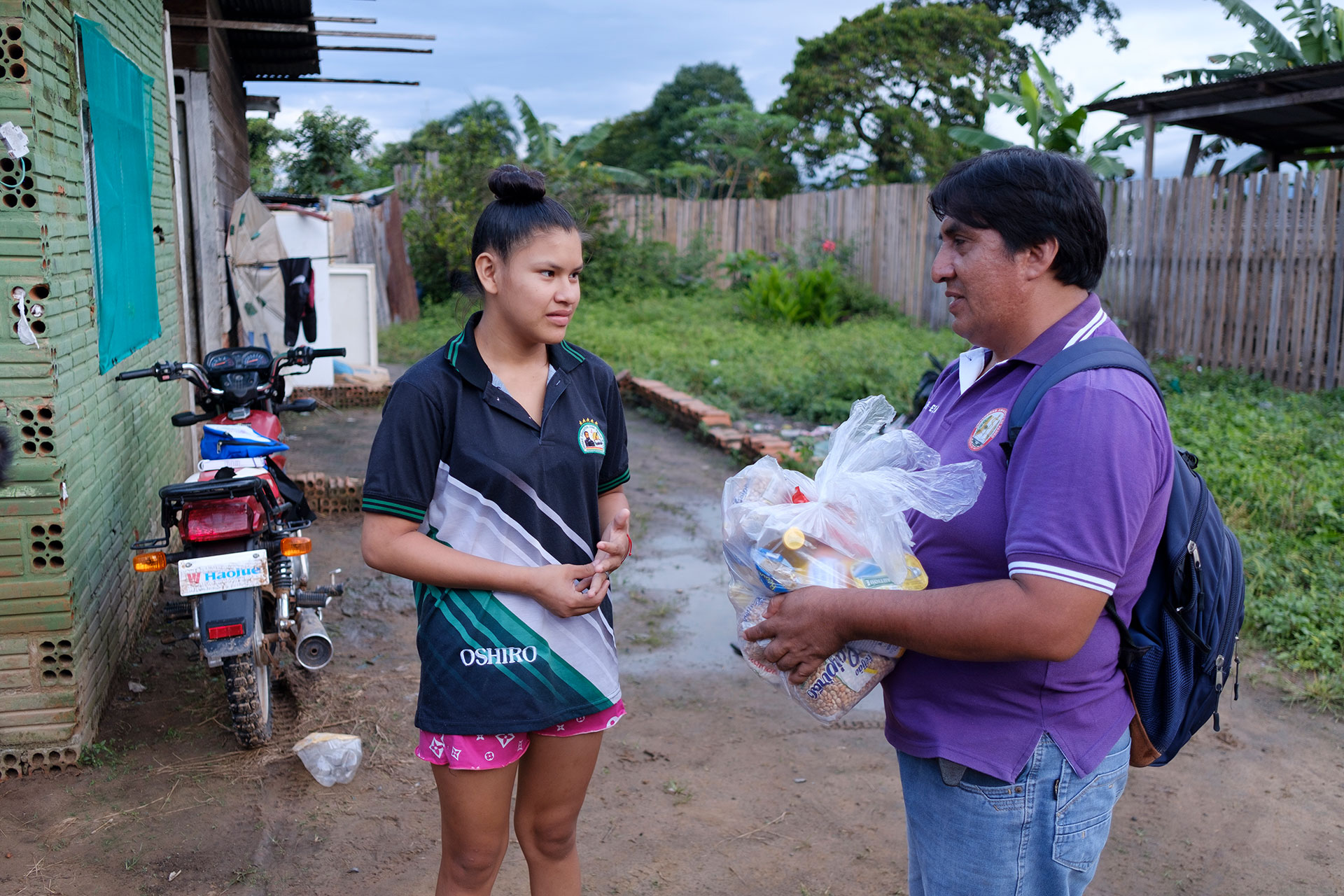
Ipas is supporting the Departmental Health Service in Pando, Bolivia, where Yotse lives to expand youth-friendly health services and reduce early pregnancy. Ipas trains and equips health workers to provide contraception and abortion to girls who need it. In this photo, Yotse receives a donation from Dr. Mario Espada with the local health service.
2. Laws and policies that protect their rights
We celebrated a historic legal victory in Bolivia in Sept. 2025 when the government voted to ban child marriage. This success resulted from years of advocacy by Ipas and local partners to address Bolivia’s child marriage crisis. In this photo, Ipas staff and partners stand in support of law change during a session of Bolivia’s parliament.

3. Supportive schools and communities
Girls can’t stay in school if they don’t know how to prevent pregnancy or deal with sexual violence, so Ipas partners with schools across Bolivia to provide age-appropriate education. In this photo, children participate in Ipas’s curriculum to prevent gender-based violence that rolled out nationwide in partnership with the Ministry of Education.
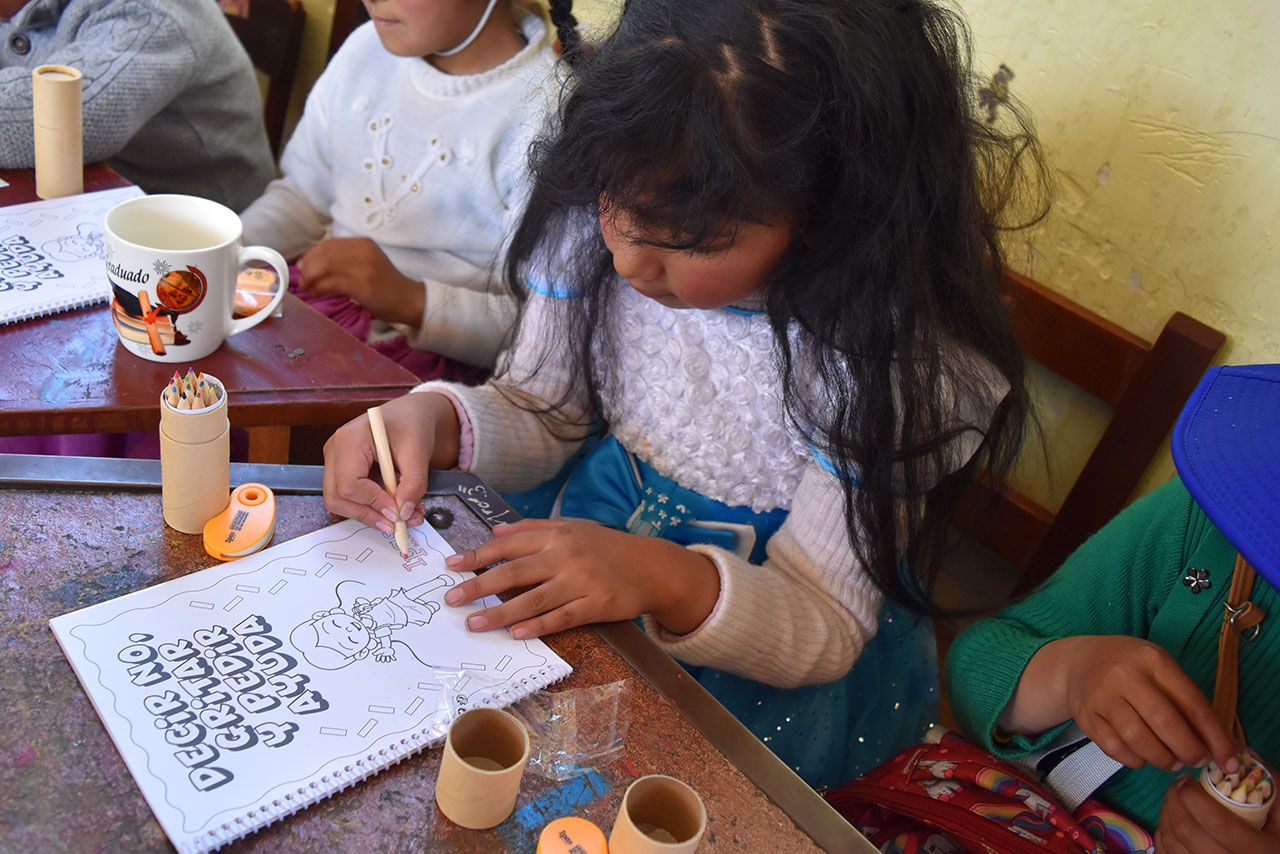
Photo by Onion films
Chandra
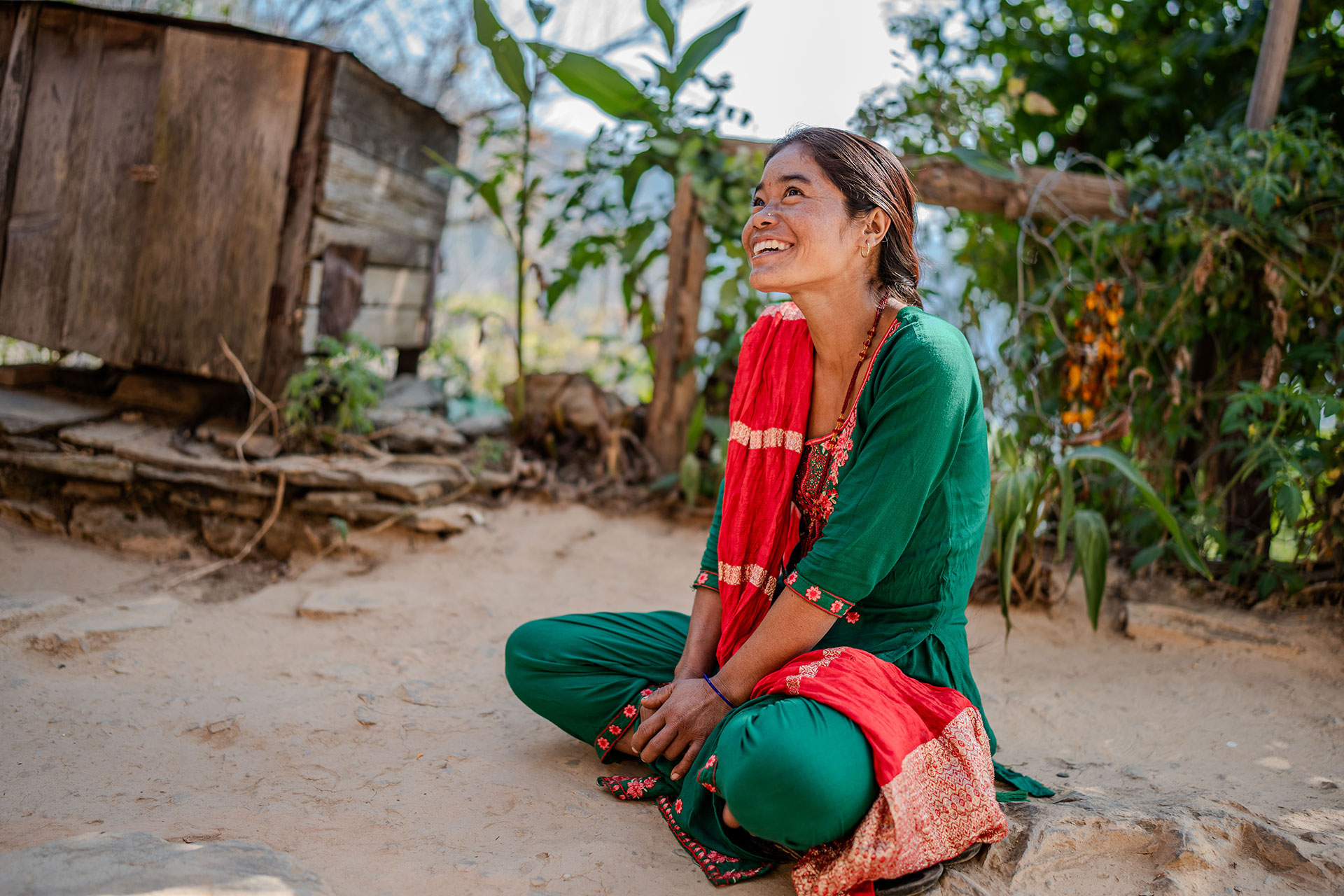
Chandra Kala Pun is a youth leader and educator in her rural village in Nepal.
She lives in one of the world’s most climate-vulnerable countries, where disasters like floods and mudslides are pushing health care farther away. And in rural Nepal, discussing sexuality is taboo. Women and girls rarely have the power to make their own reproductive health decisions.
“Participants say they are happy and often ask ‘when will you come for the next session?’”
Chandra and young women like her need:
1. Pathways to respectful care
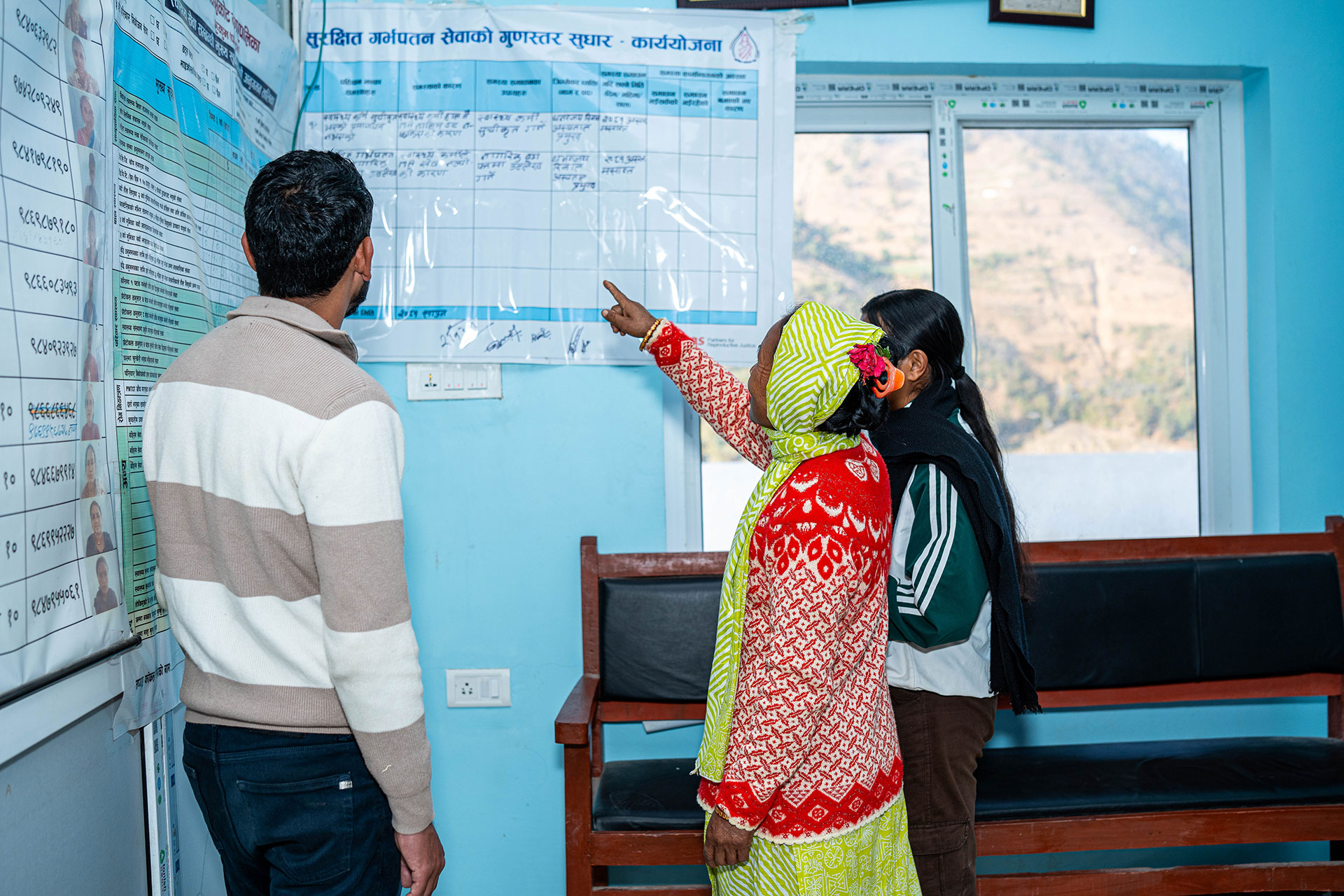
Ipas created a program called “Natural Leaders” that supports Nepali women like Chandra to become a force for change. These leaders work with local health officials to ensure women can still access reproductive health care if a disaster strikes. In this photo, Natural Leader Sunita Saha Puri (in red) discusses plans to improve abortion care with local health coordinator Prem Rokaya.
2. Laws and policies that protect their rights
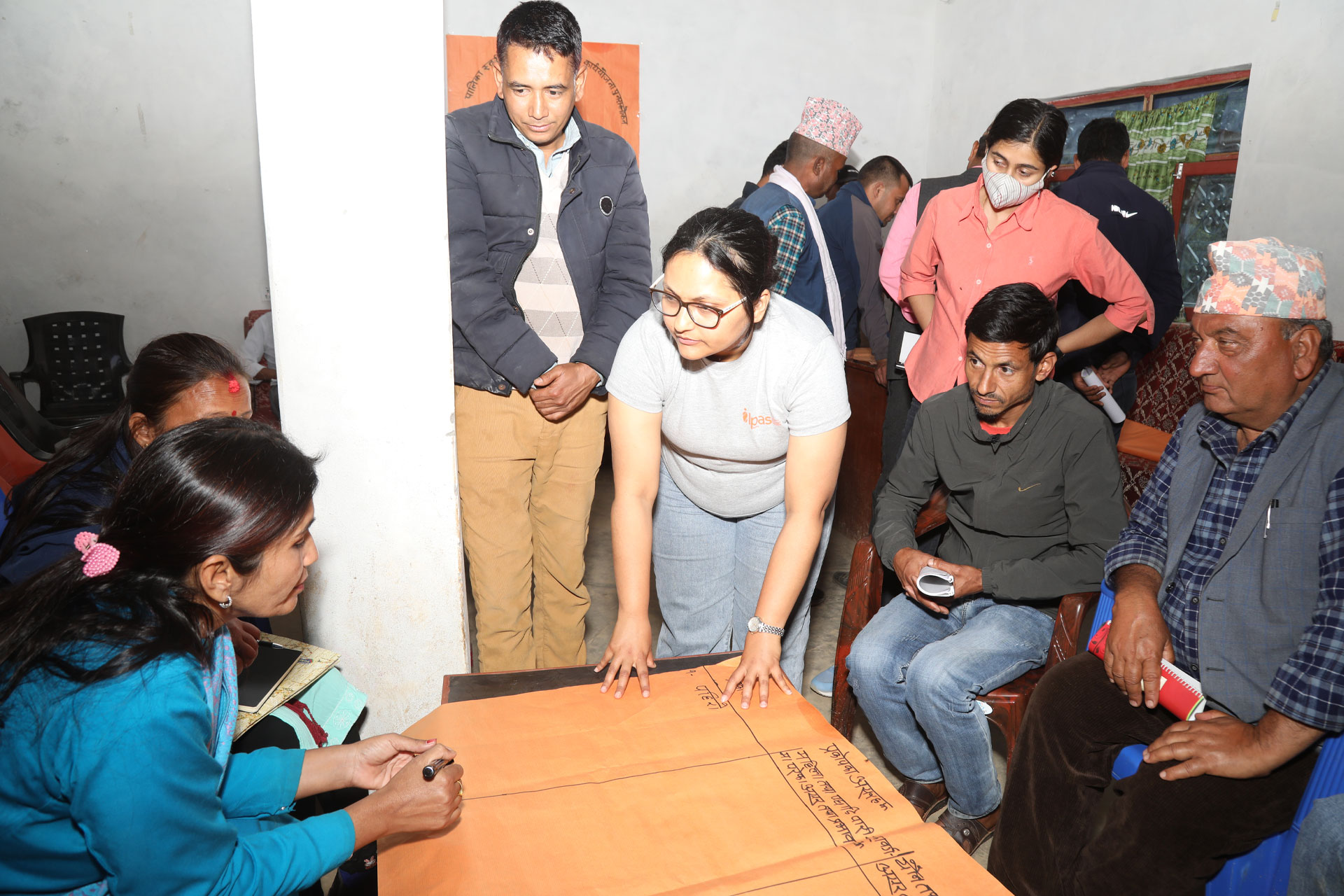
To ensure a climate-resilient future that meets women’s reproductive health needs, we must start planning now. In this photo, Ipas’s Khusbu Poudel (at center) participates in a community planning session for what the government calls a “local adaptation plan of action,” helping ensure it includes access to services like abortion and contraception. So far Ipas has supported 10 local governments to develop such plans.
3. Supportive schools and communities
Through Ipas’s Natural Leaders program, Chandra transformed into a respected community leader and health educator. Now she and other Natural Leaders provide education that arms women with the information they need to take control of their reproductive health. In this photo, Chandra conducts a training session with women and girls of all ages. She says taboos around reproductive health are changing.
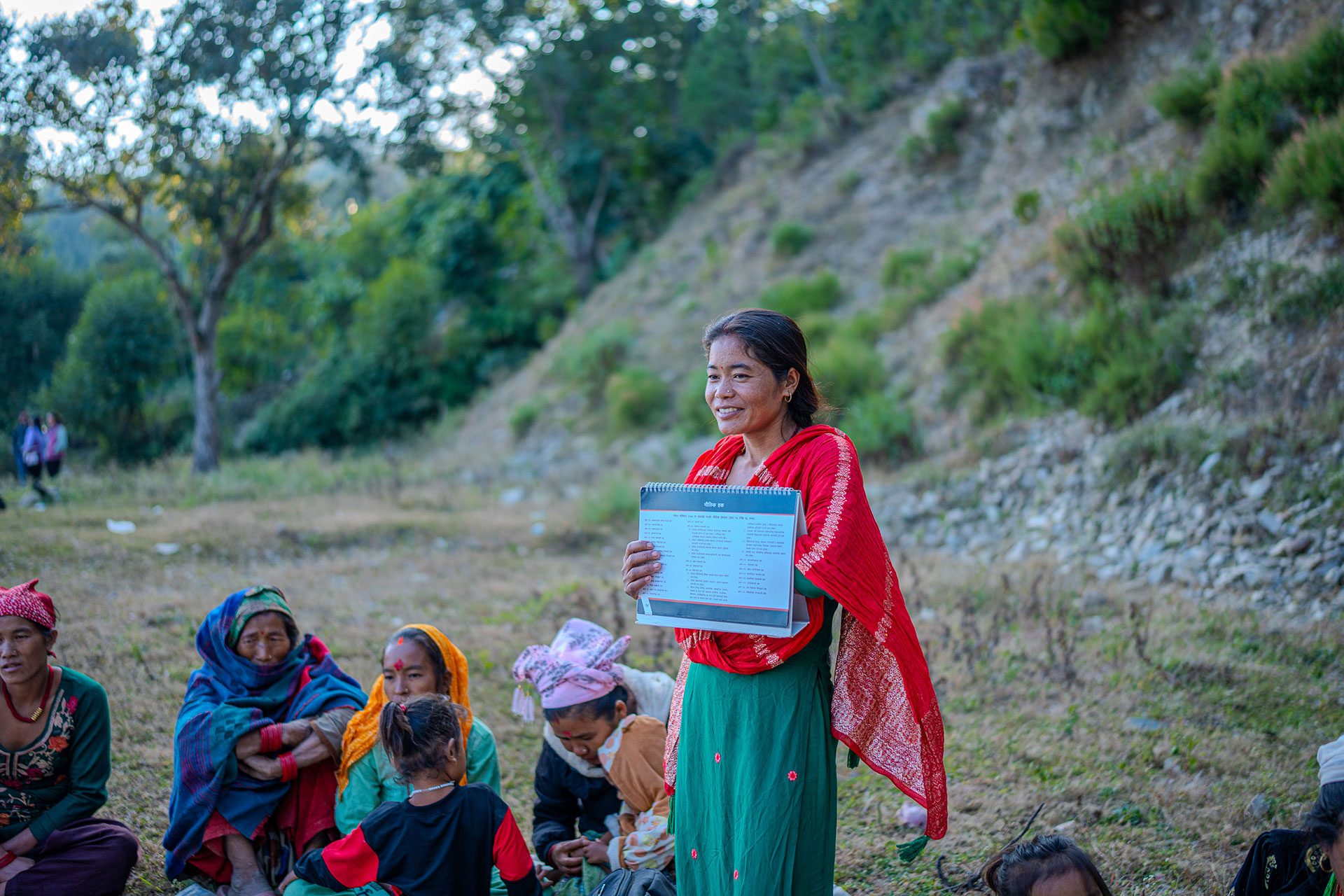
Photo by Nelson Apochi Owoicho
Munira
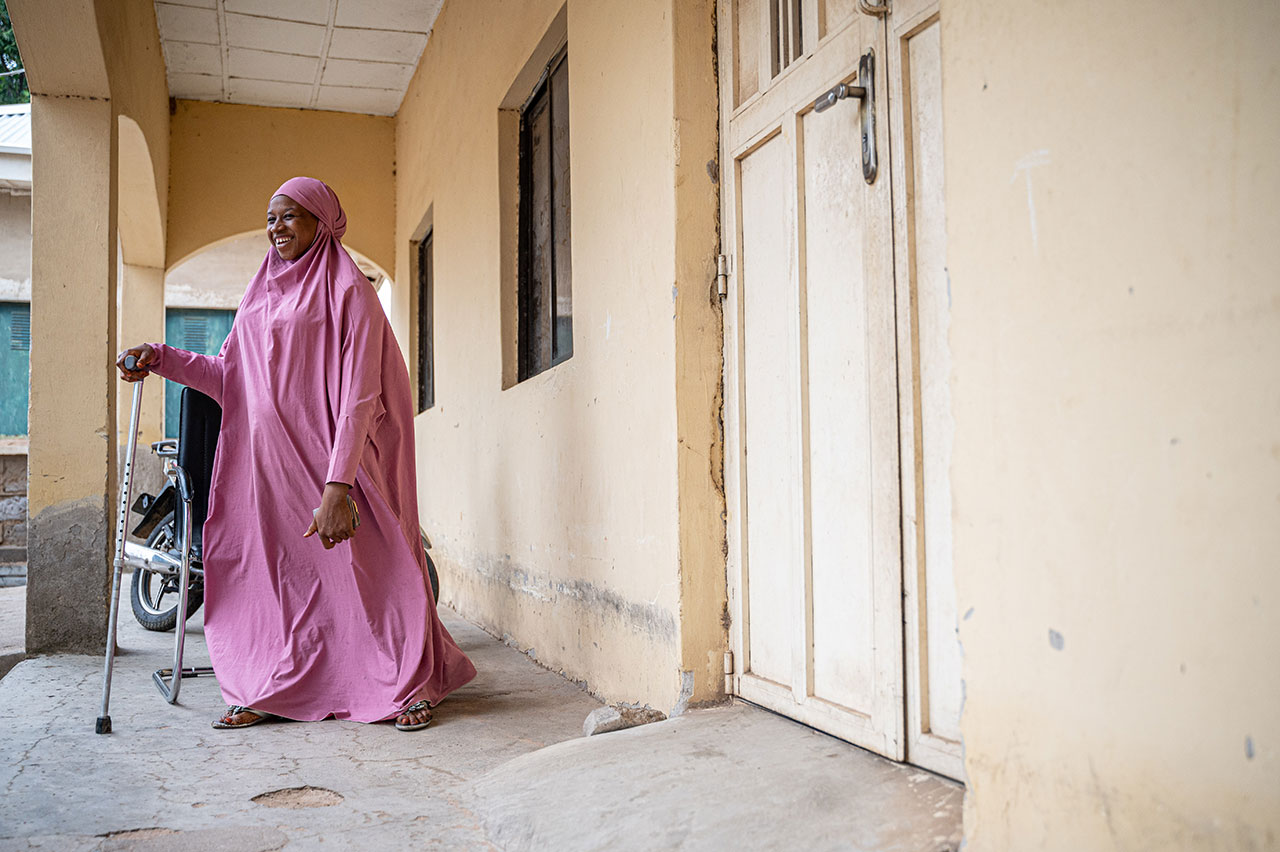
Munira Ibrahim Saleh is a woman living with a disability in Nigeria. She’s experienced firsthand the lifechanging impact of disability-inclusive reproductive health care.
Munira works as a program officer for the Joint National Association of Persons with Disabilities—an organization in Gombe State trained on inclusive care by Ipas and our local partner SAIF Advocacy Foundation.
“When hospitals know what to do for us, it eases our pain.”
Munira and women like her need:
1. Pathways to respectful care
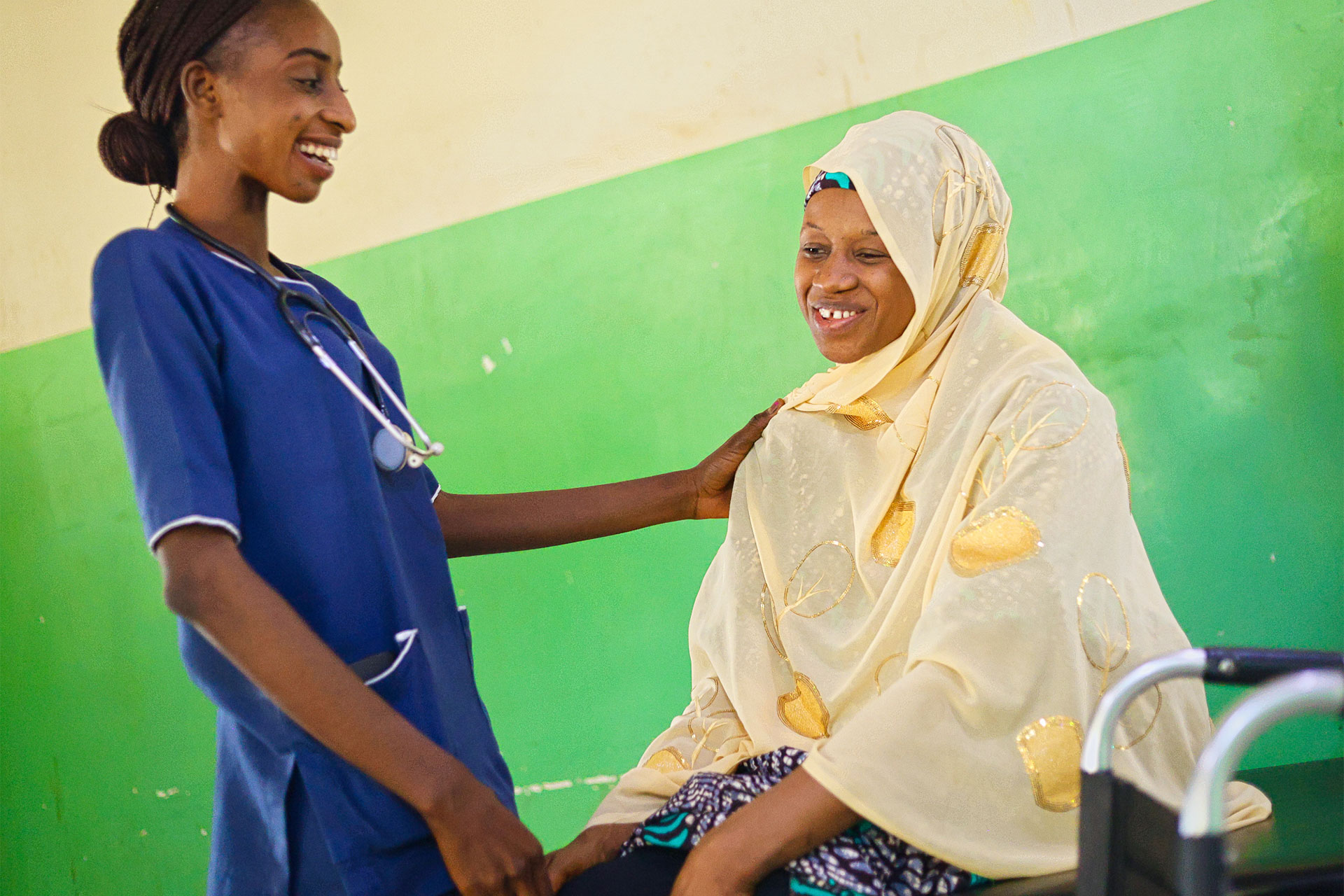
People with disabilities often encounter health systems that ignore their needs. In Nigeria, we’re training providers and supporting health centers to become more accessible. In this photo, health worker Hannatu Tila provides Munira with specialized care, taking time to understand how her disability affects her health.
2. Laws and policies that protect their rights
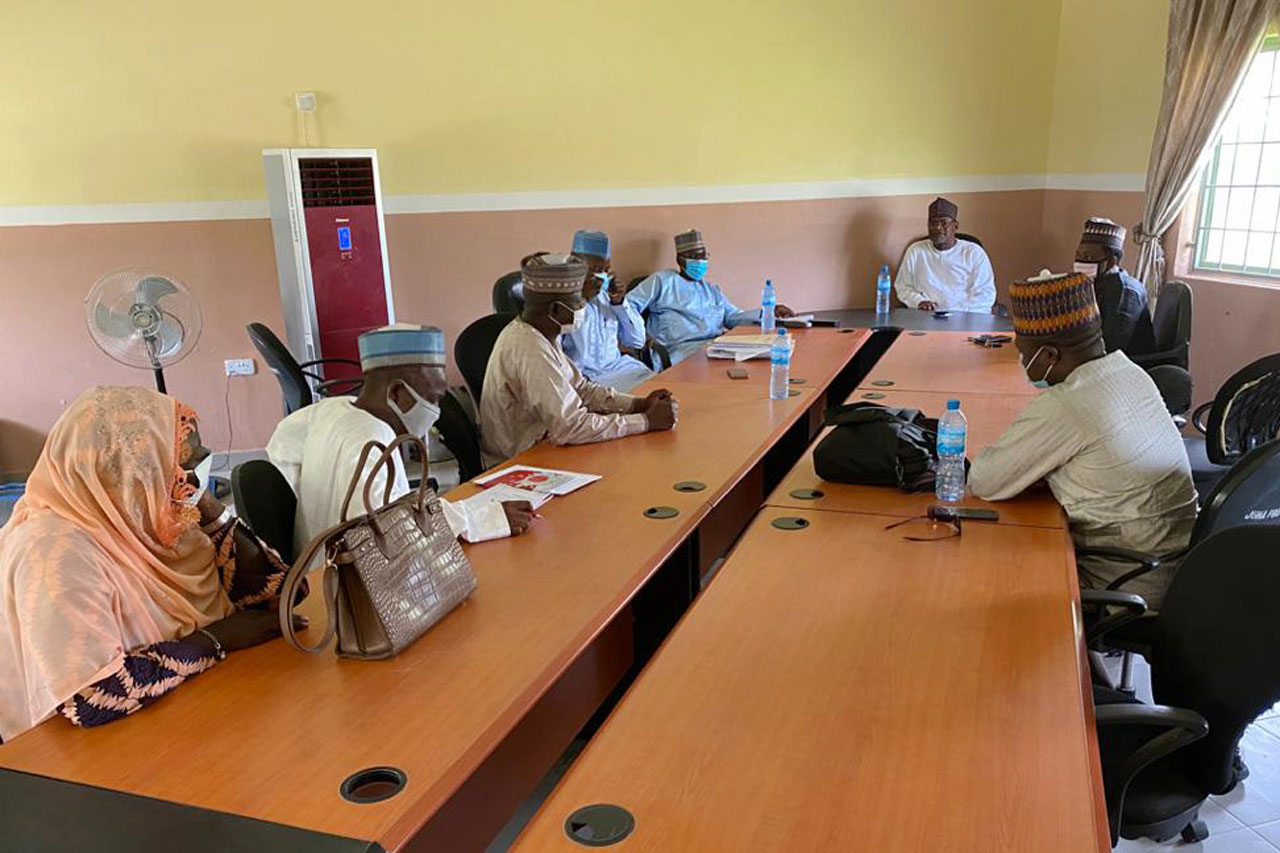
Sexual violence is widespread in Nigeria, and women with disabilities face an even higher risk. That’s why Ipas advocates at the local and national levels for laws that protect survivors’ reproductive rights. In this photo, leaders of the Jigawa State Assembly meet with an Ipas-led coalition to discuss state-level protections for violence survivors.
3. Supportive schools and communities
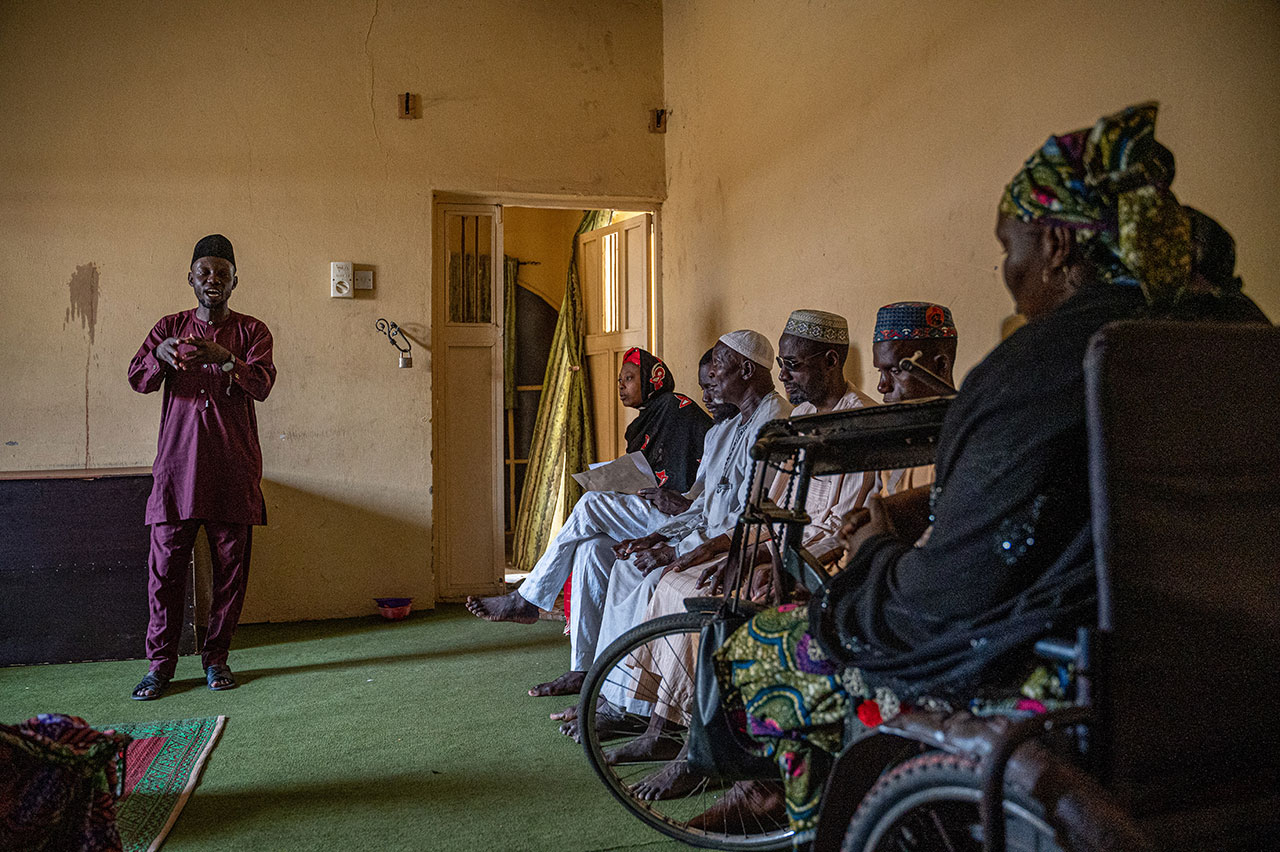
Nigeria’s abortion restrictions drive many women to unsafe methods. So Ipas trains community groups to help women access lifesaving “postabortion care” that treats complications of unsafe abortion. In this photo, Kabiru Muhammed talks to people with disabilities served by his community organization, which received training from Ipas.
We need you by our side.
As we step into this new era, your partnership means more than ever. Join us as we create sustainable abortion access that drives gender equality worldwide.
Join the conversation